In This Guide
- Quick verdict: who Vail is best for
- Why Vail gets mixed reviews
- Vail mountain basics for first timers
- Which Vail base area should first timers use?
- How much does a Vail ski trip cost?
- When is Vail less crowded?
- Is Vail good for intermediate skiers?
- How to navigate Vail on the first day
- Best terrain strategy for a first Vail trip
- Where to stay, park and how to get around
- Best time to ski Vail
- How to combine Vail with nearby Epic Pass resorts
- Common first-timer mistakes at Vail
- Frequently asked questions
Vail Ski Resort First-Timers Guide: How to Plan Your First Vail Ski Trip
Vail is one of the most famous ski resorts in Colorado, but it is also one of the easiest places to misunderstand. Some skiers leave saying Vail is too expensive, too crowded, too hard to navigate, or only worth it for advanced riders. In many cases, the problem is not the mountain itself. The problem is planning.
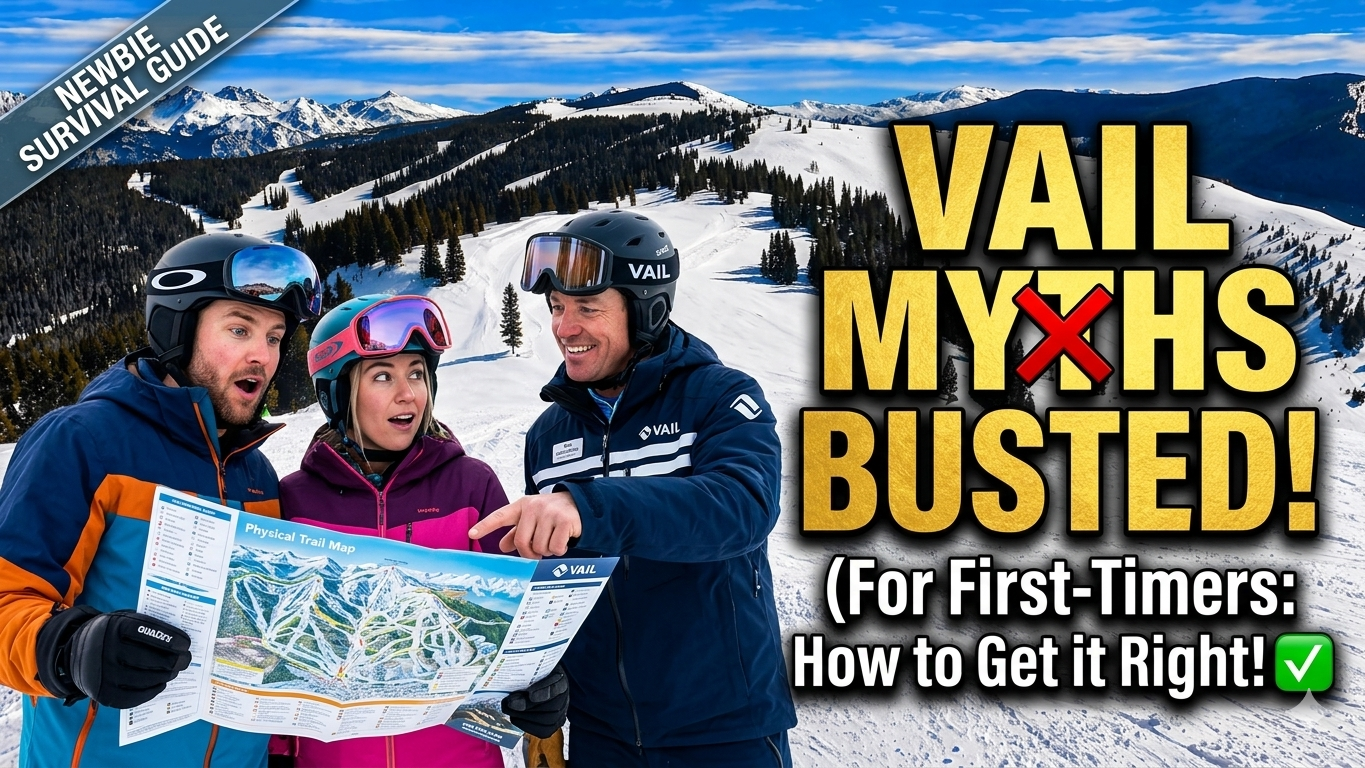
This article is a companion to our Vail First Timers Guide video. The video shows the terrain and ski-run previews; this guide turns that experience into a practical planning framework. Instead of repeating the video word for word, the goal here is to help you plan Vail clearly: when to go, where to start, how to manage costs, how to avoid the worst congestion, and how to approach the Front Side, Back Bowls, and Blue Sky Basin without wasting your ski day.
Vail can deliver one of the best ski experiences in Colorado. But it is not a small, simple resort where everything works automatically. It rewards skiers who plan ahead, ski at the right times, choose terrain intentionally, and use the resort layout instead of reacting to it all day.
Quick Verdict: Who Vail Is Best For
| Traveler Type | How Vail Fits | Planning Caution |
|---|---|---|
| First-time Colorado visitors | Excellent iconic Colorado experience with huge terrain variety. | Do not make your first day too aggressive; learn the mountain flow first. |
| Intermediate skiers | Strong choice because of long groomers and wide front-side terrain. | Choose routes intentionally instead of chasing famous bowls too early. |
| Advanced skiers | Back Bowls and Blue Sky Basin can be outstanding in the right conditions. | Wind, visibility, and snow quality matter more in exposed alpine areas. |
| Families | Works well with planning, lessons, village services, and beginner zones. | Peak pricing, parking, and crowds can create stress if unmanaged. |
| Budget-conscious travelers | Possible if using Epic Pass strategy, advance planning, and lodging outside the village. | Last-minute tickets and walk-to-lift lodging can make the trip very expensive. |
Why Vail Gets Mixed Reviews
Vail is very large, popular, and expensive enough that expectations can become unrealistic. People often arrive assuming that a famous resort will automatically produce a perfect ski day. But Vail operates at huge scale. Demand concentrates around weekends, holidays, powder mornings, base-area lifts, and famous terrain zones. On busy mornings, the pressure can show up around Vail Village, Lionshead, Golden Peak, Gondola One, the Eagle Bahn Gondola, and the first lifts that move skiers toward Mid-Vail and the Back Bowls. If your trip hits all of those pressure points at once, Vail can feel frustrating.
The opposite is also true. Ski Vail midweek, arrive early, understand the three-part mountain layout, stay flexible with lodging and transportation, and progress through terrain in a logical order. Under those conditions, the same resort can feel efficient, scenic, diverse, and genuinely high-quality.
That is the central lesson: Vail is not only about where you ski. It is about how you plan the day.
Vail Mountain Basics for First Timers
Vail’s official mountain stats explain why the resort can feel overwhelming on a first visit. The mountain includes 5,317 skiable acres, 32 lifts, a summit elevation of 11,570 feet, and a terrain mix that includes beginner, intermediate, and advanced skiing across multiple zones. The longest run, Riva Ridge, is listed at 4 miles, and the resort receives an average of 354 inches of snowfall.
For trip planning, simplify Vail into three main zones:
- Front Side: The best place to start. This is where most beginners and intermediates should orient themselves first.
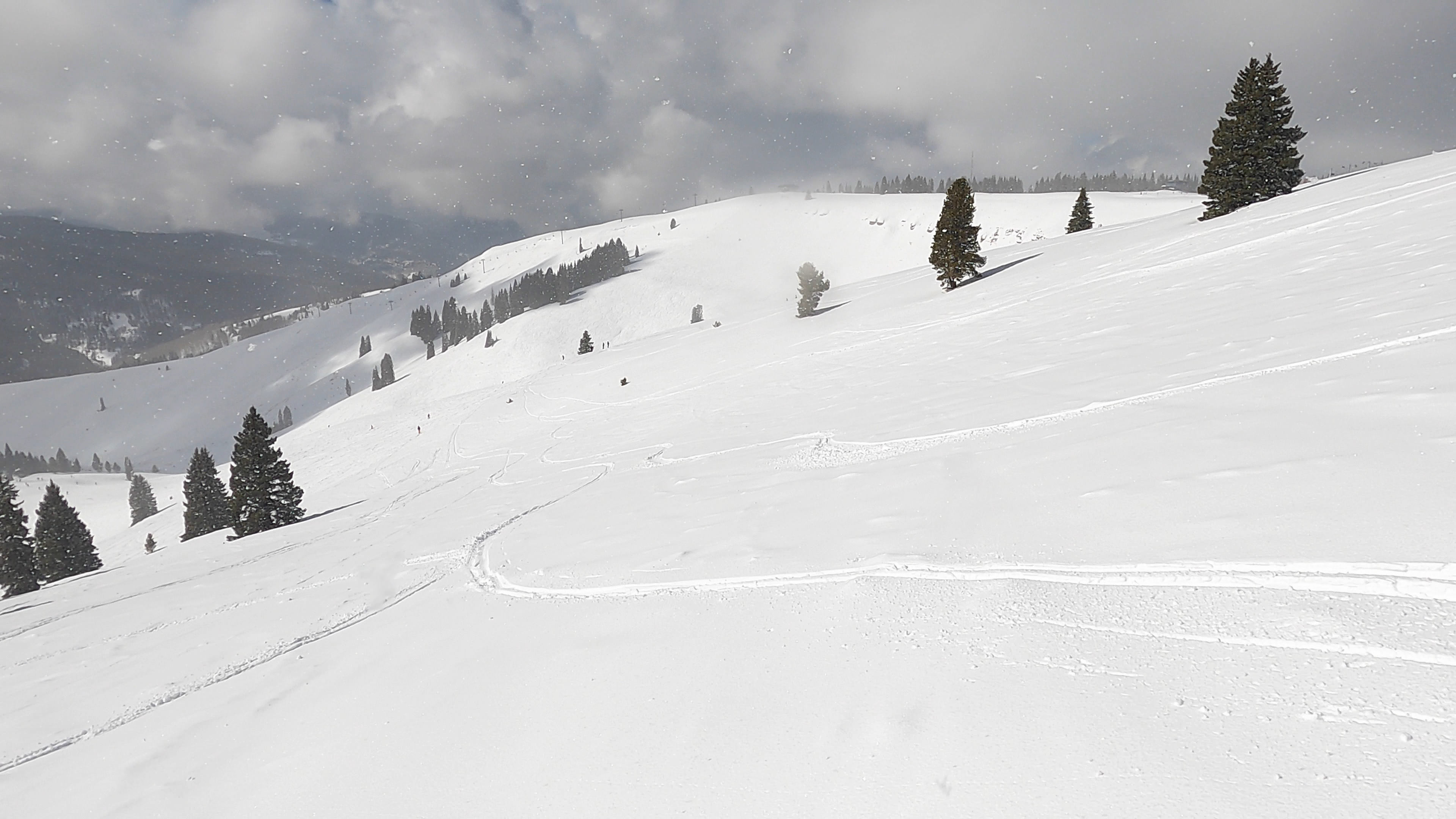
- Back Bowls: Vail’s signature open terrain. Best when visibility, wind, and snow conditions are favorable.
- Blue Sky Basin: A more remote, adventurous zone with trees, powder, and a different feel from the main mountain.
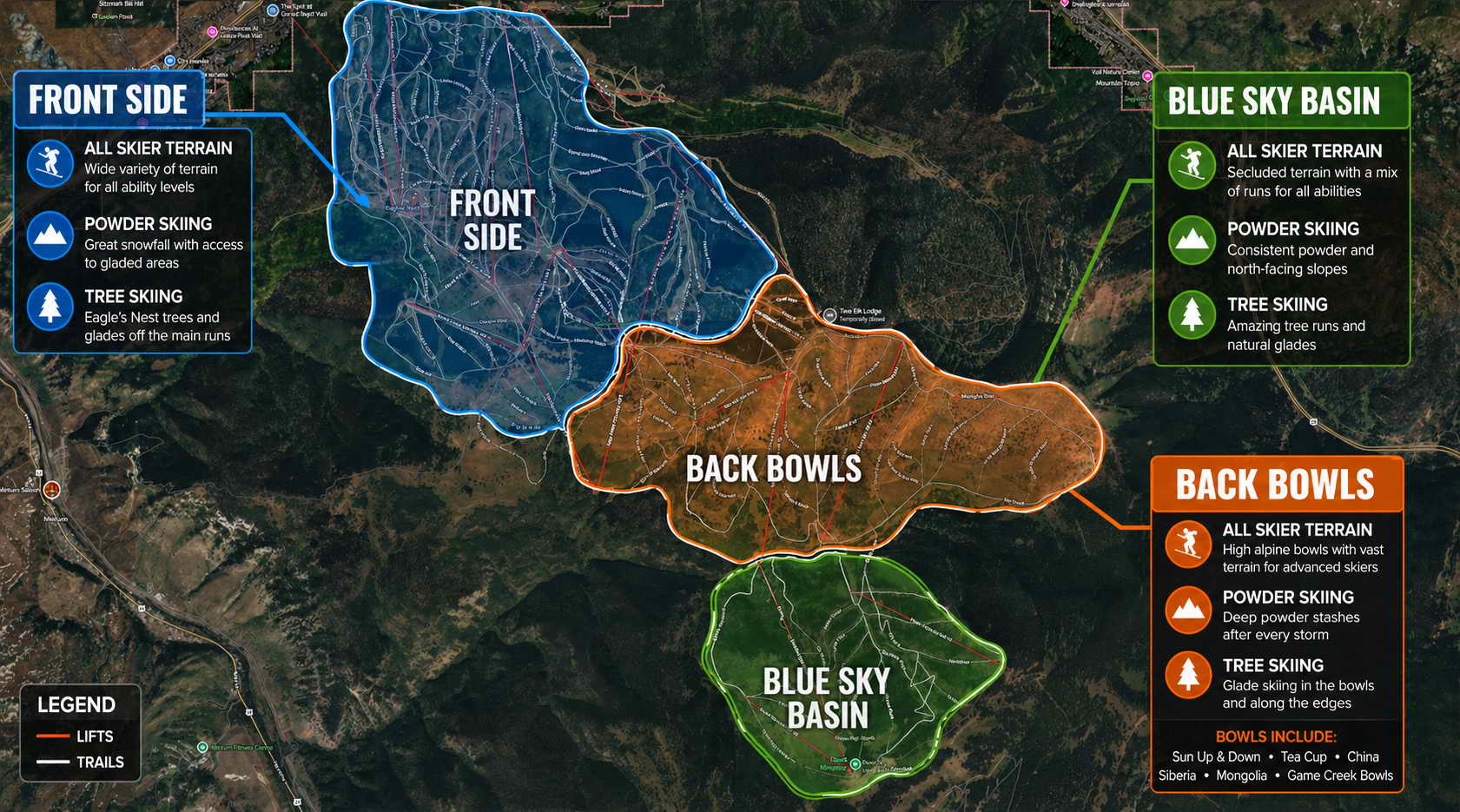
Once you understand that framework, Vail becomes much easier to navigate. Without it, every trail sign and lift decision can feel like a new puzzle.
Which Vail base area should first timers use?
First timers should also understand Vail’s main base areas. Vail Village is the classic central access point with Gondola One. Lionshead is another major base area with the Eagle Bahn Gondola. Golden Peak is especially important for ski school, lessons, children’s programs and race-related activity. These names matter because they shape parking, lodging, meeting points, morning bottlenecks and how quickly you can reach the terrain you actually want to ski.
| Vail Area | Best First-Timer Use | Key Access Point |
|---|---|---|
| Vail Village | Classic central base, dining, shops, and direct mountain access. | Gondola One |
| Lionshead | Convenient lodging base and major access point for many visitors. | Eagle Bahn Gondola |
| Golden Peak | Lessons, kids programs, ski school logistics, and a quieter starting point for some groups. | Golden Peak base area |
| Mid-Vail / Front Side | Orientation zone for many intermediates before moving deeper into the mountain. | Front-side lift network |
| Back Bowls access | Advanced terrain progression when visibility, snow and group ability support it. | Chair 5 / High Noon Express and related bowl access points |
Vail Cost Planning for First Timers
How much does a Vail ski trip actually cost?
Vail can be expensive, but the final cost depends heavily on how you plan. The most expensive version of Vail usually involves booking late, buying peak-day tickets, traveling during the busiest periods, and limiting yourself to lodging within walking distance of the lifts.
A more strategic Vail trip looks different. Epic Pass or advance lift access can change the economics significantly. Midweek skiing can reduce both stress and cost pressure. Staying outside the core village can lower lodging costs, especially if you use local shuttles or skier buses. Bringing what you need for the ski day can also reduce impulse spending on the mountain.
This does not make Vail cheap. But it can make Vail manageable. The mistake is treating Vail like a last-minute weekend getaway and then being surprised when every part of the trip is priced for peak demand.
The biggest cost variables for first timers are lift access, lodging location, parking, dining, rentals and how close you insist on staying to Vail Village or Lionshead. If you are trying to keep the trip under control, compare walk-to-lift lodging against lodging farther from the village core with access to the free Vail bus system. If your group includes true beginners, also review How to Choose a Ski Resort for Beginners.
Vail Crowd Planning for First Timers
When is Vail less crowded?
Vail gets crowded, but it is not equally crowded every day or in every area. The biggest crowd mistake is planning a destination ski trip around weekends and holidays. That is when local skiers, pass holders, families, and vacationers all overlap.
A better strategy is to arrive on Sunday evening, ski Monday through Thursday, and use the weekend for rest, travel, sightseeing, or nearby alternatives. In our own Colorado Epic Pass trip, skiing Vail earlier in the week created a much better experience than pushing the main Vail days into the weekend.
Crowd management also depends on your daily rhythm. Arrive early. If you are starting from Vail Village, know whether you are using Gondola One. If you are starting from Lionshead, understand the Eagle Bahn Gondola plan before you arrive. If your group includes lessons or children, confirm Golden Peak logistics in advance. Do not spend the entire morning second-guessing the trail map. Have a plan before you load the first lift.
Is Vail Good for Intermediate Skiers?
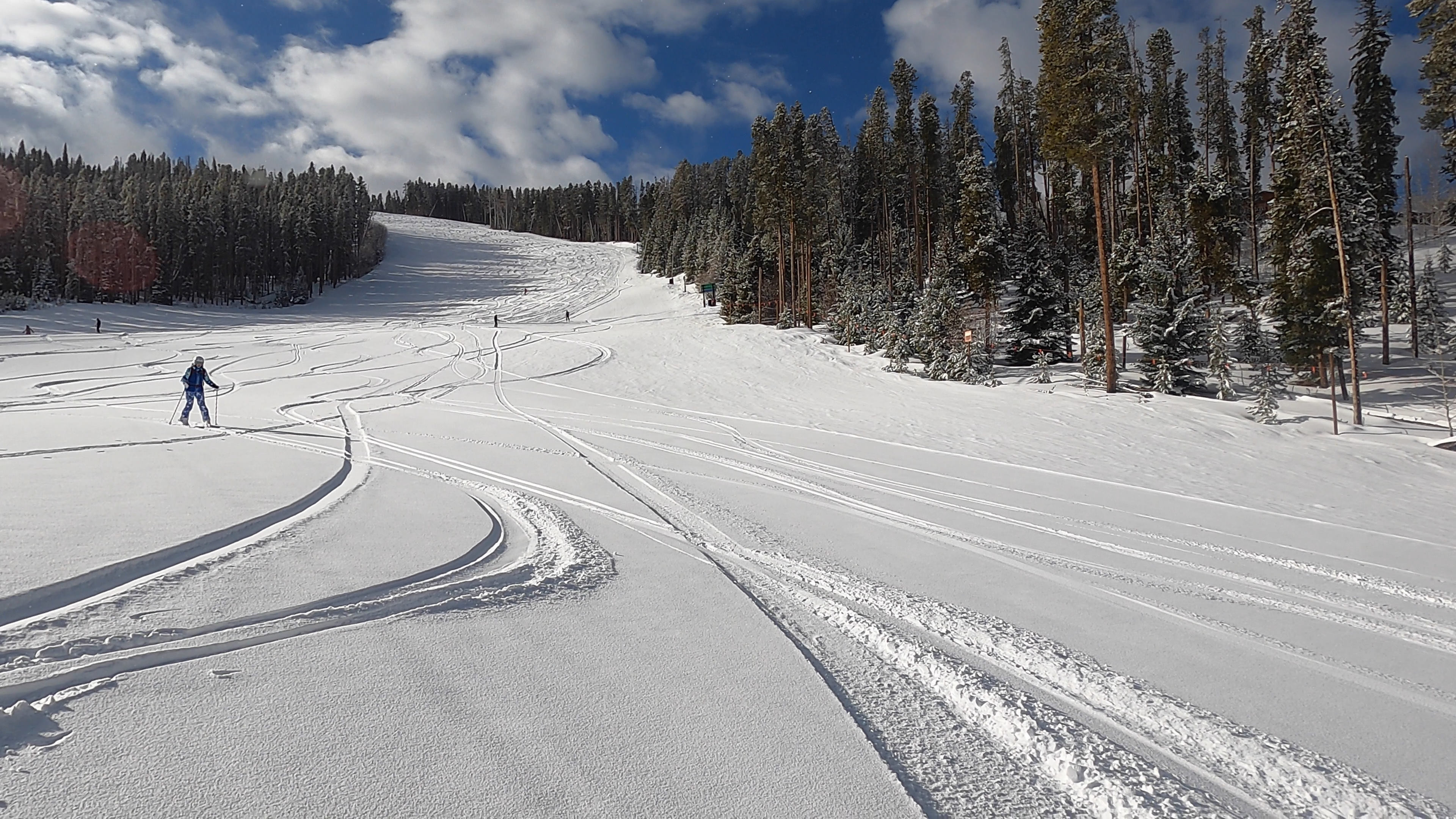
The Back Bowls dominate Vail’s image, so many first-time visitors assume the resort is primarily for advanced skiers. That is not accurate. Vail has a large amount of front-side terrain for beginners, lower intermediates, and strong intermediate skiers who enjoy long groomers.
The real issue is progression. Vail is not the place to chase famous terrain just because you saw it in a video. Start on the Front Side. Understand lift connections. Warm up on terrain that matches your ability. Then, if conditions and confidence support it, expand toward more advanced areas later in the day or later in the trip.
For many skiers, Vail works best as a multi-day mountain. Day one is for orientation. Day two is for expanding your range. Day three is when the mountain starts to feel smaller and more intuitive.
How to Navigate Vail on the First Day
Vail looks complicated because it is large, not because it is random. Once you think in terms of Front Side, Back Bowls, and Blue Sky Basin, the mountain becomes more logical. The problem is that many first-time visitors arrive without a mental map and spend the day reacting.
Before your first day, decide where you will start, which lifts you will use first, and which zones you will avoid until you are warmed up. If you are skiing with mixed abilities, agree on meeting points before the group separates. For a broader resort-selection framework, read How to Choose the Right Ski Resort for Your Skill Level. Vail is too large for vague plans such as “we’ll just find each other later.”
Navigation is also about timing. The deeper you go into the Back Bowls or Blue Sky Basin, the more important it becomes to understand return routes, closing times, weather changes, and how much energy your group has left.
A simple first-day rule is to avoid treating Chair 5 / High Noon Express, Chair 11 / Northwoods Express, the Back Bowls and Blue Sky Basin as checklist items. Use them when conditions and confidence support the move, not because they are famous. First timers usually have a better day when they start with a clear base-area plan, orient around the Front Side, then expand only after the group is warm, organized and comfortable.
Is Vail Worth It for First Timers?
Some criticism of Vail comes from real peak-day frustrations: high prices, busy lifts, crowded base areas, and the feeling that the resort is operating at maximum demand. Those issues are real. But they do not erase the quality of the mountain.
The infrastructure, terrain variety, lift network, grooming, bowls, and village services are exactly why Vail became famous in the first place. The key is not pretending the pressure points do not exist. The key is planning around them.
If you hit Vail on the wrong weekend, arrive late, park poorly, ski without a terrain plan, and follow crowds into the same zones, the experience can feel inefficient. If you ski midweek, plan your route, and use nearby Epic resorts as backup options, Vail can still be one of the most rewarding ski days in Colorado.
Best Terrain Strategy for a First Vail Trip
For first timers, the best Vail strategy is progression, not completion. You do not need to ski the entire mountain on day one. Trying to do everything usually creates fatigue and confusion.
Beginners: Focus on designated learning areas and easier front-side terrain. Avoid getting pulled into long traverses or advanced zones before you understand the map.
Intermediates: Spend meaningful time on the Front Side first. Vail has excellent groomed cruising, and this is where many skiers will have their best first-day experience.
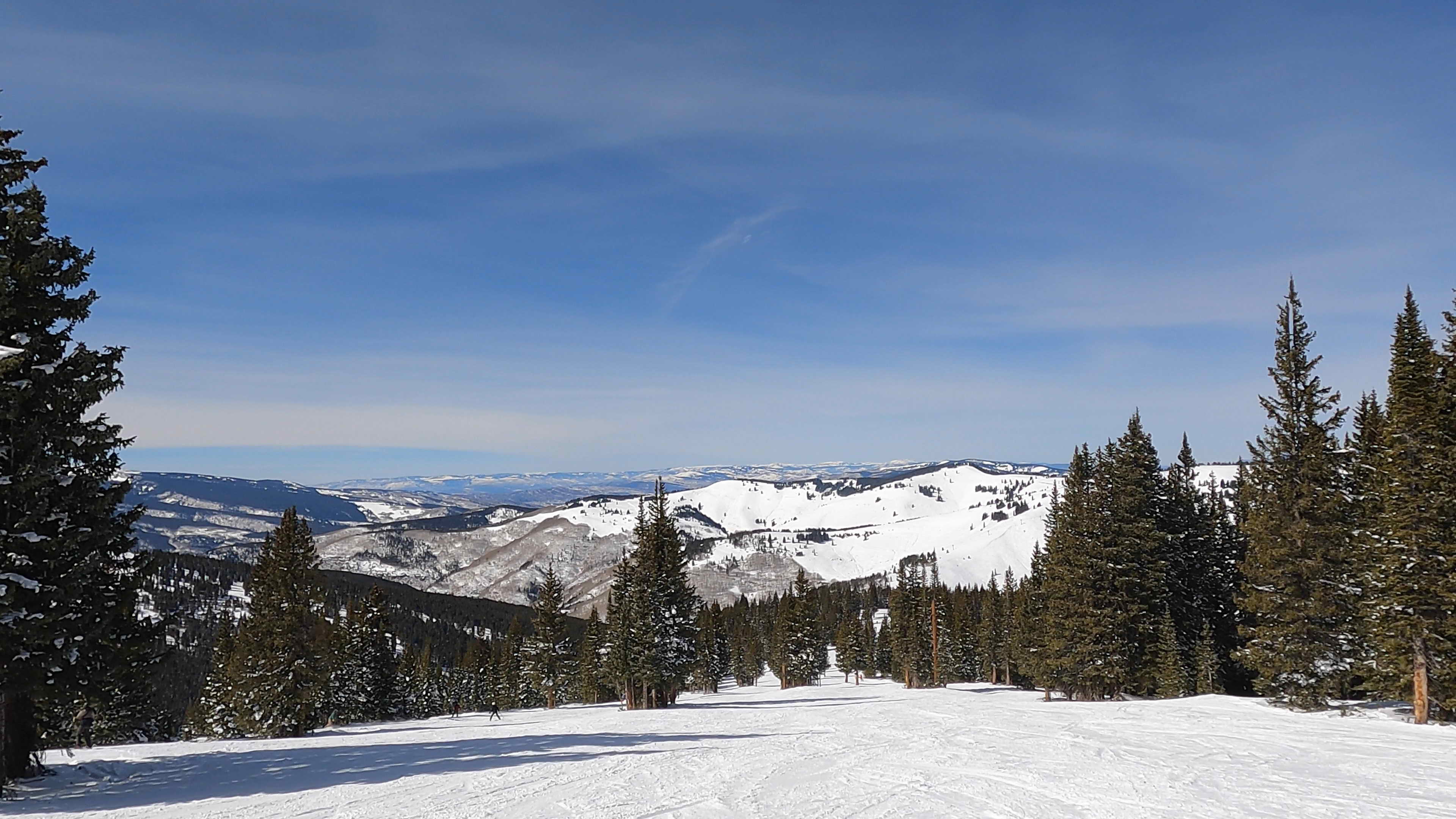
Advanced skiers: Use the Back Bowls and Blue Sky Basin when conditions support them. These areas are much better with good visibility, soft snow, and enough time to return without rushing.
Mixed groups: Do not assume everyone should ski the same terrain all day. Vail is large enough for different ability groups to split for part of the day and reconnect later at planned locations.
Where to Stay, Park and How to Get Around
Where should first timers stay in Vail?
Staying in Vail Village or Lionshead is convenient, but it is not the only way to enjoy the resort. If your budget is limited, look at lodging outside the core village area and evaluate shuttle access carefully. Vail Village is the classic central choice, Lionshead can be very practical for lodging and gondola access, and Golden Peak is especially relevant for lessons, ski school and family logistics.
Interactive Map: Denver International Airport to Vail Ski Resort
Use this map for orientation before choosing airport transportation, rental car plans or lodging. The exact drive time depends on weather, traffic, road conditions and I-70 winter congestion.
Where should you park for Vail skiing?
Parking, arrival time, and transportation can shape the whole day. The two most important parking names for first timers are the Vail Village Parking Structure and the Lionshead Parking Structure. They are convenient, but daytime parking can be expensive during ski season and availability can tighten quickly on peak days. Evening parking rules and free-after-3 p.m. policies can vary by season, so check the current Town of Vail parking page before relying on an old blog post or memory.
The free Vail bus system is one of the most useful first-timer logistics tools. The in-town shuttle connects Golden Peak, Vail Village and Lionshead, while additional routes can help if you stay farther from the village core. If you are staying outside walk-to-lift lodging, build your plan around the bus schedule before your first ski morning.
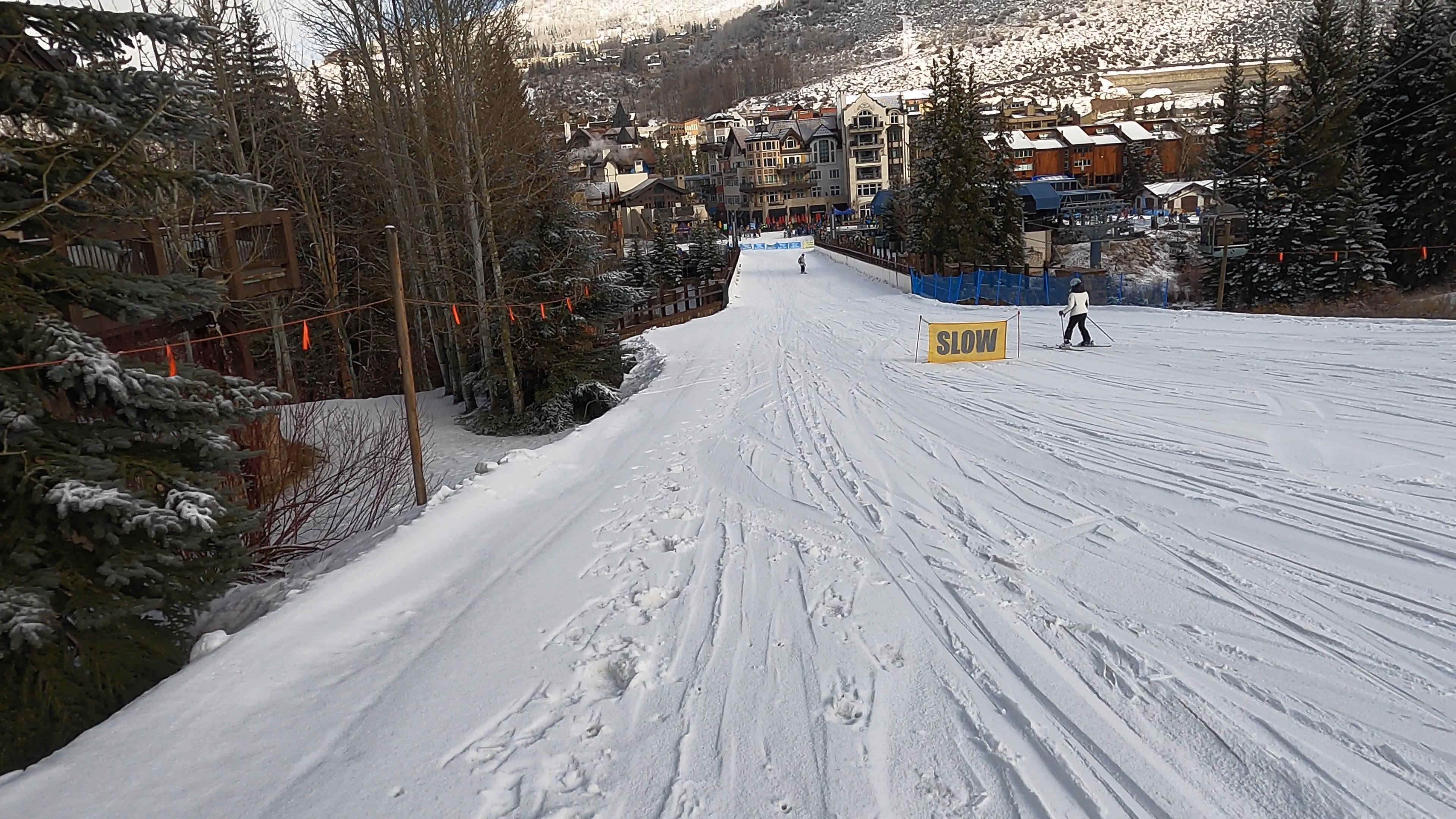
If you are driving, plan to arrive early and know your parking option before you leave. If you are using a bus or shuttle, understand the schedule and return plan. Small logistics decisions matter more at Vail than at smaller resorts because the scale of the destination amplifies every delay.
Best Time to Ski Vail
The best time to ski Vail depends on your priorities, but the basic rule is simple: avoid peak demand whenever possible. Midweek days are usually better than weekends. Non-holiday windows are usually better than school-break periods. Late February into early March can be attractive because Vail’s elevation and long season can support strong conditions, but demand can still be high around popular travel weeks.
For out-of-state visitors, flexibility is valuable. Refundable lodging or flexible trip planning can help you respond if weather, road conditions, or terrain availability changes. This is especially important if your trip is built around one expensive destination window.
How to Combine Vail With Nearby Epic Pass Resorts
One practical way to plan Vail is not to make Vail your only option. Epic Pass access makes it possible to combine Vail with nearby resorts such as Beaver Creek, Breckenridge, Keystone, and, with more travel planning, Crested Butte. For a direct comparison, read Vail vs Breckenridge.
A practical strategy is to ski Vail during the quieter midweek window, then use other resorts for lower-stress days, weather changes, or weekend alternatives. For a broader Colorado planning guide, read Where to Ski in Colorado. Beaver Creek can be excellent for groomers and a more relaxed atmosphere. Keystone can be useful for value, beginners, and night skiing. Breckenridge works well for town energy and mixed-ability groups. Crested Butte is more distant, but it offers a very different advanced-skier experience.
This is where Vail becomes part of a broader Colorado ski-trip strategy. You are not limited to one mountain if weather, crowds, or group needs change.
Common First-Timer Mistakes at Vail
- Booking late and paying peak pricing for everything.
- Planning the main ski days on Saturday and Sunday.
- Arriving without a parking, shuttle, or base-area plan for Vail Village, Lionshead or Golden Peak.
- Trying to ski the Back Bowls, Chair 5 / High Noon Express, or Blue Sky Basin before warming up or checking conditions.
- Assuming Vail is only for experts and overlooking front-side groomers.
- Underestimating altitude, fatigue, and how much time it takes to move across the mountain.
- Making Vail the only resort option on a multi-day Colorado trip.
Final Recommendation
Vail is not automatically perfect, and it is not automatically overrated. It is a large, high-demand, high-reward ski resort where planning determines much of the experience. Plan it poorly, and Vail can feel expensive, crowded, and confusing. Plan it well, and it can deliver exactly the kind of iconic Colorado ski trip people hope for.
For first timers, the best approach is to ski midweek if possible, arrive early, choose your base area intentionally, understand the Front Side, Back Bowls, and Blue Sky Basin framework, use Gondola One or the Eagle Bahn Gondola with a plan, choose terrain by ability level, and keep nearby Epic Pass resorts available as backup options. That strategy gives you the best chance of experiencing Vail as a high-quality mountain rather than as a stressful logistics problem.
Watch the full video below to see the mountain context, planning myths, and ski-run previews from Vail.

About the Author
Andy Newman is the founder of Next Outdoor Adventures and has more than 10 years of firsthand skiing experience at major resorts across North America and Europe, including Jackson Hole, Sun Valley, Vail, Chamonix, and Dolomiti Superski.
Andy began skiing in his 40s and progressed from a complete beginner to skiing advanced and double-black-diamond terrain by his late 40s. That progression gives him a practical understanding of the challenges first-time visitors face when choosing terrain, navigating large resorts, managing costs, and planning multi-day ski trips.
His ski guides are based on actual resort visits and personal skiing experience—not generic destination descriptions or theoretical trail-map analysis.
Watch the Vail First Timers Guide
FAQ: Vail Ski Resort for First Timers
Is Vail good for first-time visitors?
Yes. Vail can be excellent for first-time visitors when they plan around the resort's size, choose the right base area, start on the Front Side, and avoid trying to ski the entire mountain on the first day.
Is Vail good for beginners?
Vail has beginner terrain and lesson areas, but beginners should use designated learning zones and easier Front Side terrain instead of treating the whole mountain as a first-day objective.
Is Vail good for intermediate skiers?
Yes. Vail is especially strong for intermediate skiers because of its long groomers, wide Front Side terrain, and ability to progress into larger mountain zones over several days.
When should first-time visitors ski the Back Bowls at Vail?
First-time visitors should ski the Back Bowls only when visibility, wind, snow conditions, group ability, and return timing support it. They should not treat the Back Bowls as a first-run objective.
Do you need a car at Vail?
A car is not always necessary if you stay in Vail Village, Lionshead, Golden Peak, or lodging with reliable shuttle access. If you drive, plan parking before arrival and check current Town of Vail parking rules.
What is the best way to plan a first Vail ski trip?
The best approach is to ski midweek if possible, arrive early, choose a base area intentionally, understand the Front Side, Back Bowls and Blue Sky Basin layout, and keep nearby Epic Pass resorts available as backup options.