
Colorado Ski Trip Guide
Where to Ski in Colorado — Best Resorts & Trip Strategy for First Timers
Colorado is one of the best ski destinations in North America, but choosing where to ski can be harder than it looks from a trail map. Resorts that appear close together on paper can feel very different once snow, wind, traffic, altitude, crowds, parking, and lift access enter the picture.
This guide is written from the perspective of skiers who plan real trips, film resort terrain, and compare mountains based on how they actually work on the ground — not just how famous they are. For first-time Colorado visitors, the key decision is usually not simply “which resort is best?” It is how Denver access, I-70 traffic, altitude, lodging, pass access, snow conditions, and group ability fit together.
This article is a companion to our Where to Ski in Colorado video. The video gives you the visual mountain-by-mountain overview; this guide is designed to help you turn that overview into a practical trip plan. Instead of repeating every detail from the video, the goal here is to give you a clear decision framework: which resorts fit your ability level, which ones work best together, and why flexibility can matter more than picking one “perfect” mountain months in advance.
The biggest planning lesson is simple: Colorado conditions are not always the same across the state. On one trip, one mountain may have fresh powder and open terrain while another resort only a couple of hours away is dealing with wind, flat light, icy surfaces, or lift holds. That is why a multi-resort strategy can be one of the smartest ways to plan a Colorado ski vacation, especially if you are flying in from out of state and trying to make every ski day count.
Start With Strategy, Not a Single Resort Name
Many first-time visitors start by asking, “Should I ski Vail, Breckenridge, Copper, or Winter Park?” A better first question is: how much flexibility do I need? If your trip is built around one resort, you are fully exposed to whatever conditions that mountain has during your dates. If your trip is built around a cluster of nearby resorts, you can adjust based on snow reports, road conditions, crowds, and how your group feels after each ski day.
This is where Epic Pass and Ikon Pass can become valuable beyond simple lift-ticket math. Epic gives you a strong cluster around Vail, Beaver Creek, Breckenridge, and Keystone. Ikon gives you strong Colorado options through Copper Mountain and Winter Park, with additional destination options depending on your pass and travel plans. For a multi-day trip, the pass can become a planning tool, not just a ticket product.
Colorado Resorts at a Glance
| Resort | Pass / Access | Best For | Main Tradeoff |
|---|---|---|---|
| Vail | Epic | Scale, bowls, iconic Colorado experience, mixed abilities | Heavy crowds, parking logistics, I-70 traffic |
| Beaver Creek | Epic | Families, groomers, luxury feel, less stressful ski days | Less massive and less bowl-focused than Vail |
| Breckenridge | Epic | Intermediate groups, historic town, high alpine terrain | Crowds, altitude, wind exposure, gondola/parking complexity |
| Keystone | Epic | Beginners, progressing intermediates, value lodging, night skiing | Less dramatic scenery and less destination prestige |
| Copper Mountain | Ikon | Logical terrain layout, intermediates, mixed-ability groups | Weekend crowds have increased |
| Winter Park | Ikon | Balanced terrain, trees, moguls, local character, train access | Can require more planning depending on weather and travel route |
| Crested Butte | Epic | Advanced skiers, steep terrain, authentic mountain character | Farther from Denver; better as a dedicated destination trip |
Colorado Ski Resorts Map: Denver, I-70 and Resort Clusters
For first-time Colorado ski trips, the map matters almost as much as the resort name. Vail, Beaver Creek, Breckenridge, Keystone and Copper Mountain are tied closely to the Denver / I-70 planning corridor, while Winter Park uses a different approach from Denver and Crested Butte is better treated as a dedicated destination trip.
Use this map as an orientation tool before booking lodging. For live traffic, road closures, winter driving conditions and exact routing, open the resorts in Google Maps or check current Colorado road conditions before travel.
Vail: The Big Colorado Experience on the I-70 Corridor
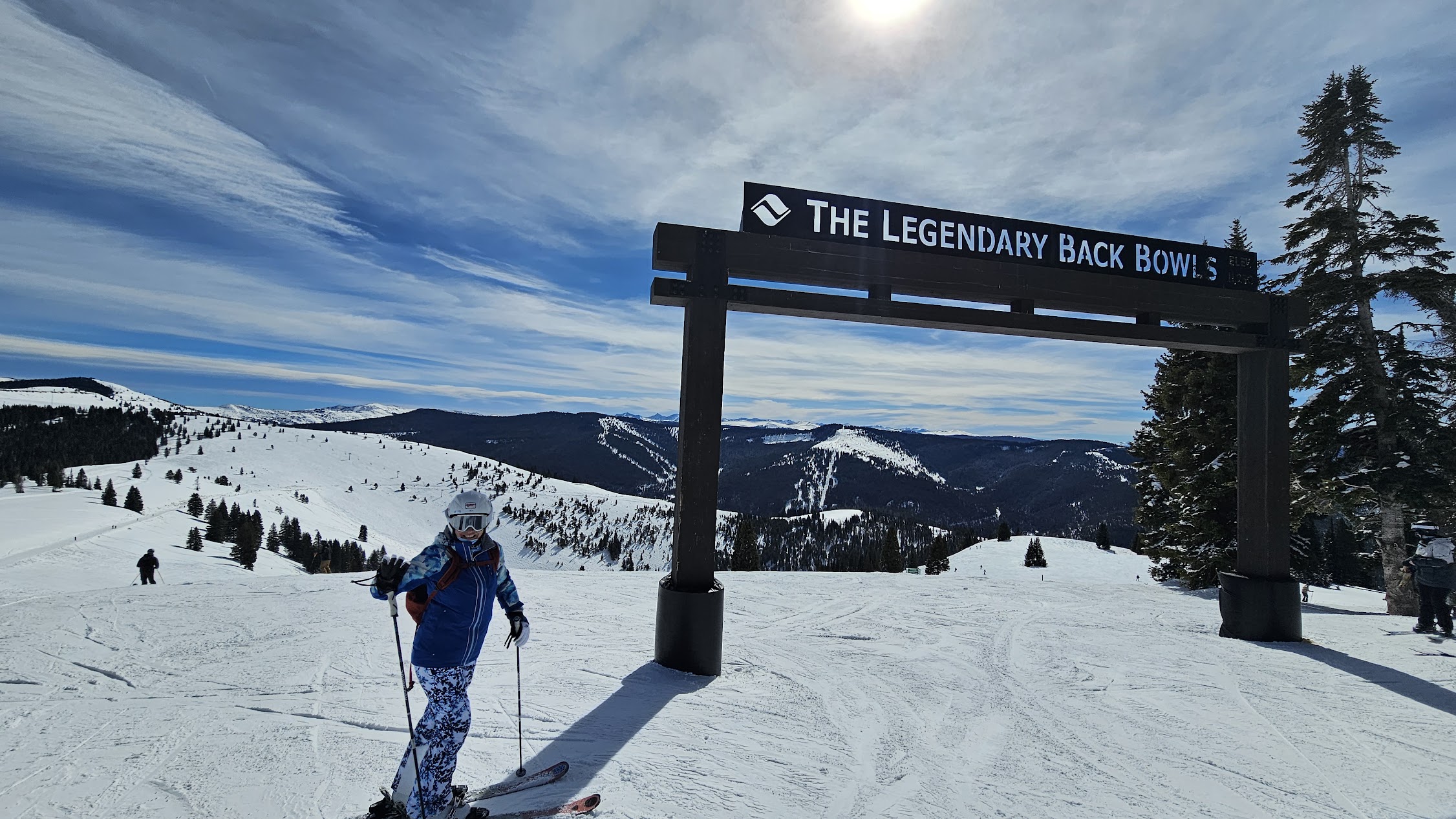
Vail is the resort many skiers imagine when they picture a classic Colorado trip. It is huge, varied, polished, and visually impressive. The front side offers long groomers and multiple zones for beginners and intermediates, while the Back Bowls and Blue Sky Basin create the open alpine feeling that makes Vail famous.
For first-time visitors, Vail works best when you give it enough time. Trying to “do Vail” in a rushed single day can feel overwhelming because the mountain is large and the logistics can be intense. It is a better fit when you can arrive early, avoid peak weekends when possible, and use the mountain layout strategically rather than chasing every famous area at once.
The biggest caution is crowd management. Vail can be outstanding on the right day, but weekends, holidays, powder mornings, and I-70 traffic can change the experience quickly. If you are on Epic Pass, the smartest move is to treat Vail as part of a broader Eagle County and Summit County plan, not the only option on the trip.
Beaver Creek: Polished, Comfortable, and Underrated Near Vail
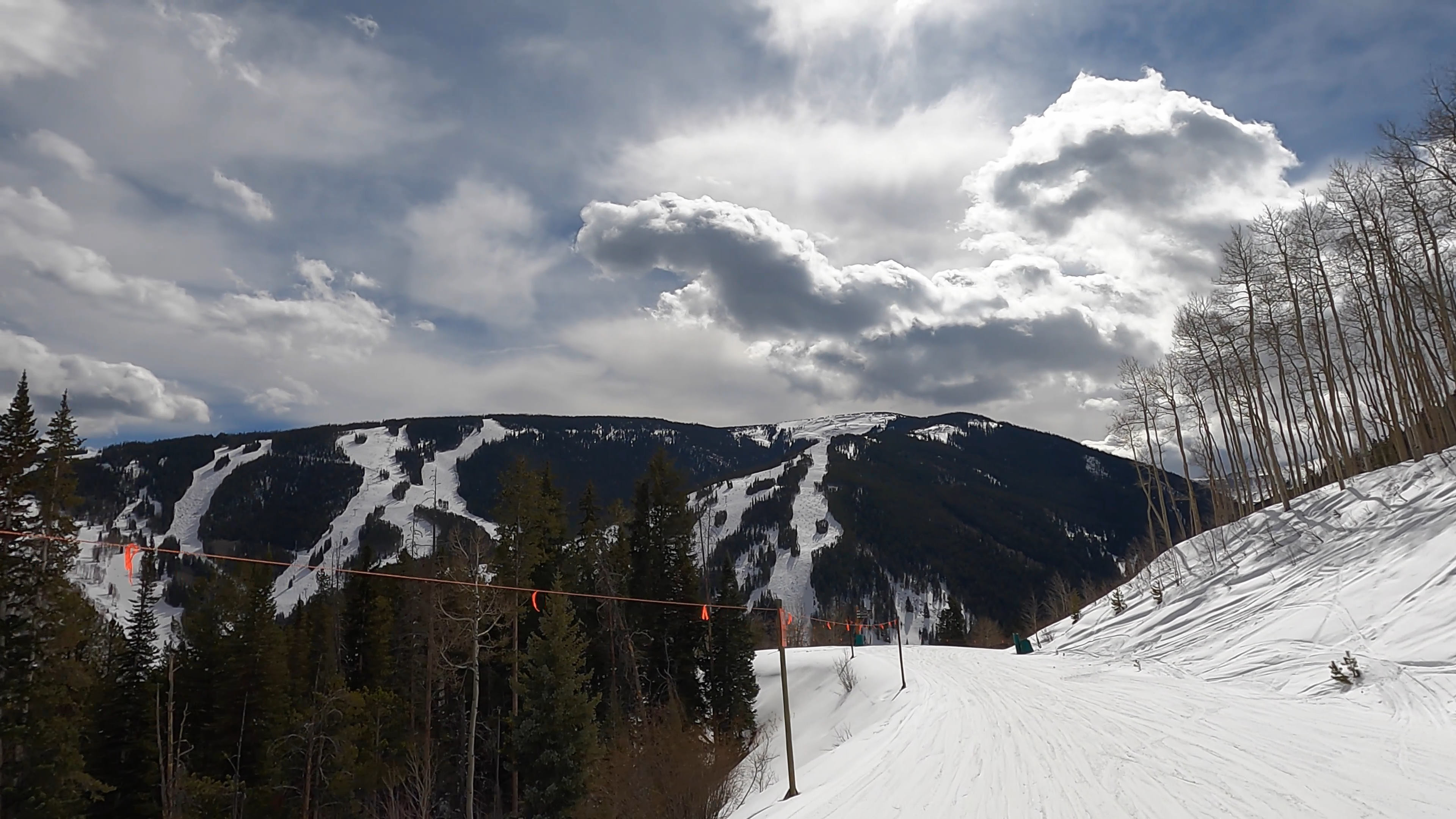
Beaver Creek is often discussed as Vail’s quieter neighbor, but that undersells what it does well. The resort is excellent for families, beginners, and intermediate skiers who value groomed terrain, efficient operations, and a calmer atmosphere. It is also a strong choice when the group wants a premium mountain feel without the same level of intensity that can come with Vail or Breckenridge.
For many travelers, Beaver Creek can deliver the better actual ski day, even if Vail gets more attention. The mountain feels easier to manage, the groomers are strong, and advanced skiers can still find challenge in areas such as Birds of Prey. It also can be a useful pivot during stormy or crowded periods, especially if Vail becomes too busy or exposed.
Breckenridge: Best for Mixed Groups and Mountain Town Energy in Summit County
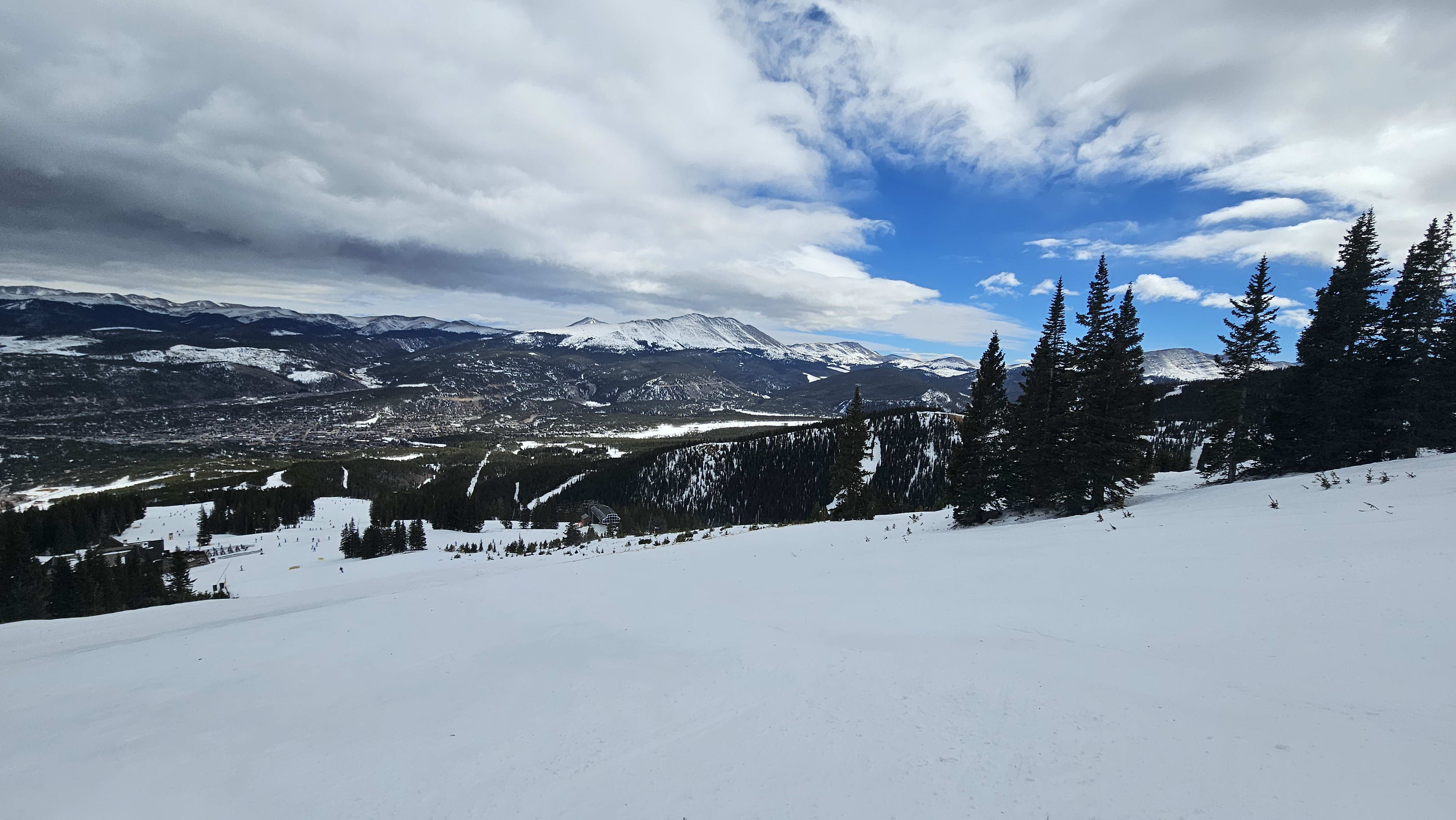
Breckenridge is one of Colorado’s most complete ski destinations because it combines a real mountain town, a large trail network, multiple peaks, nightlife, and high alpine terrain. Peak 9 is especially useful for beginners and lower intermediates, Peak 7 offers wide blue cruising, and the higher peaks open up advanced terrain and big views.
This makes Breckenridge one of the best choices for groups where everyone skis differently. Some people can stay on groomers, others can explore alpine terrain, and non-skiers still have a town with restaurants, shopping, and atmosphere. That combination is hard to beat for a first major Colorado trip.
The tradeoffs are crowds, altitude, and logistics. Breckenridge can be very busy during holidays and spring break. Its high elevation also means wind and fast-changing weather can affect the experience. If your group is sensitive to altitude, build in time to adjust and avoid planning your most demanding ski day immediately after arrival.
Keystone: Practical Value and a Smart Summit County Backup Option
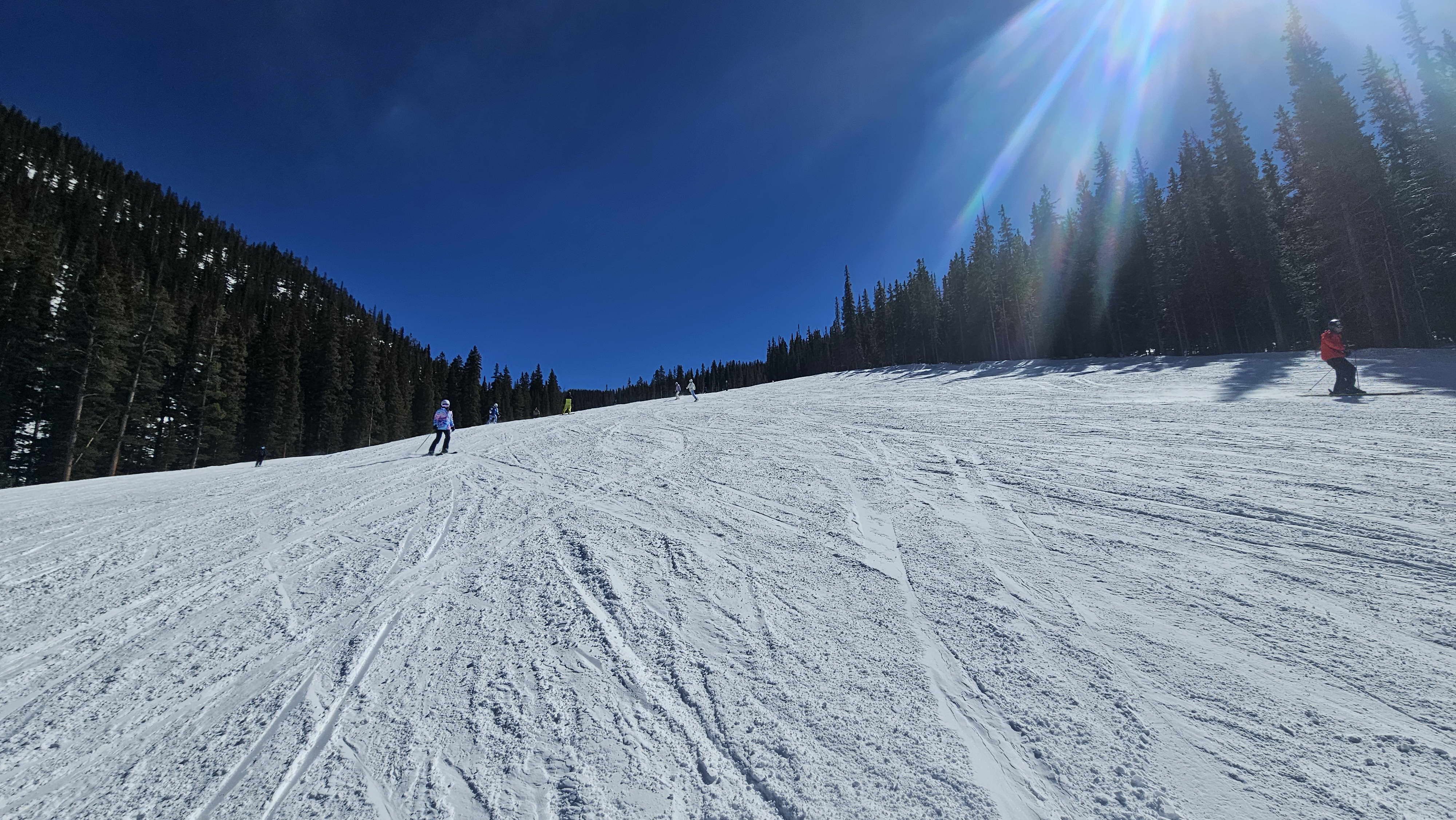
Keystone is sometimes overlooked because it does not have the same brand power as Vail or Breckenridge, but it can be a very practical Colorado ski choice. It is good for beginners and progressing intermediates, often has stronger lodging value, and offers night skiing on select dates, which adds flexibility if you are trying to maximize time on snow.
Keystone may not be the main “dream resort” for every visitor, but it works very well as part of a multi-resort Epic Pass strategy. It can be a lower-stress day after a big Vail or Breckenridge day, a good option when crowds are intense elsewhere, or a practical base for families who want more ski time without premium pricing at every step.
Copper Mountain: One of the Best All-Around Ikon Choices off I-70

Copper Mountain stands out because of its naturally organized terrain layout. Beginner terrain is concentrated toward one side of the mountain, intermediate terrain dominates the center, and advanced terrain expands toward the other side and the backside. That makes Copper easier to understand than many large resorts, especially for first-time visitors and mixed-ability groups.
Intermediate skiers are often the biggest winners at Copper because the resort offers long blue groomers and efficient ways to move through the mountain. Advanced skiers still have access to steeper terrain, bowls, and trees, while beginners can focus on areas that feel more protected from faster traffic.
Copper’s location is another advantage. It is relatively accessible from Denver compared with more distant destination resorts, and it pairs naturally with other Summit County or Front Range trip plans. The main caution is that Copper has become busier, especially on weekends, so the same early-arrival and weekday strategy still applies.
Winter Park: Balanced Terrain With a More Local Feel from Denver
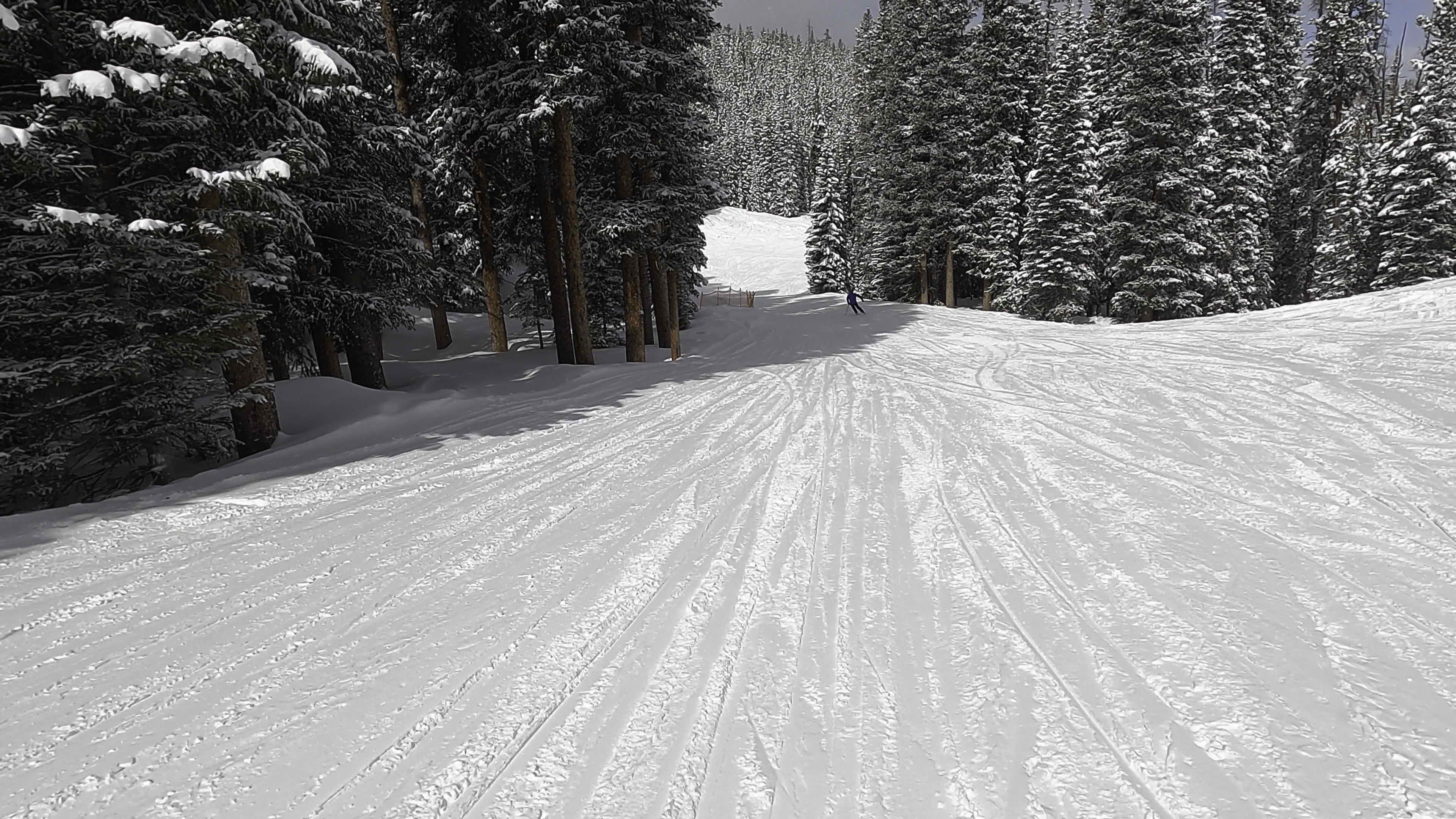
Winter Park is one of Colorado’s most balanced resorts. It has groomed terrain for beginners and intermediates, strong tree skiing, reliable snow, and the famous Mary Jane side for moguls and advanced terrain. Compared with some I-70 corridor resorts, Winter Park can feel more relaxed and less corporate, which many skiers appreciate.
Another major advantage is access from Denver by train during parts of the season. That does not remove every logistical challenge, but it creates a unique alternative to mountain driving. Winter Park can also perform differently from I-70 resorts during certain storm cycles, which makes it especially useful if you are tracking conditions and willing to adapt.
Crested Butte: Character and Challenge Beyond the I-70 Corridor
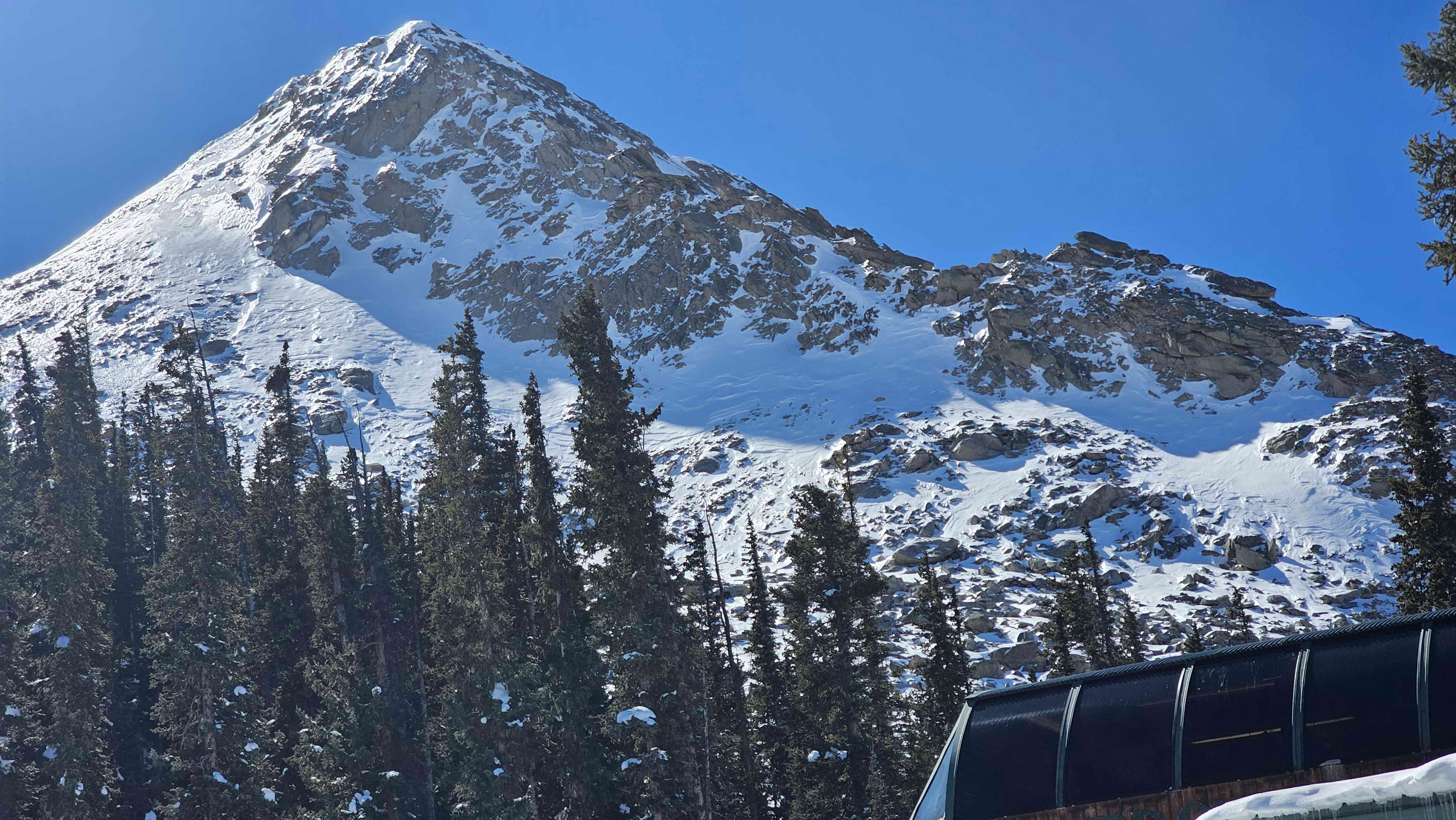
Crested Butte is one of Colorado’s most memorable mountains for advanced skiers. It has steep terrain, chutes, authentic character, and a very different feel from the larger front-range-accessible resorts. For skiers who want challenge and personality, it absolutely deserves attention.
But for many first-time Colorado visitors, Crested Butte is not the simplest starting point. It is much farther from Denver than Vail, Breckenridge, Keystone, Copper, or Winter Park, and the extra travel time can reduce your actual ski time on a shorter vacation. That does not make it a bad choice; it makes it a better choice for a dedicated destination trip or for advanced skiers who specifically want that type of terrain.
What About Aspen, Telluride, and Steamboat?
Aspen Snowmass, Telluride, and Steamboat are legendary Colorado ski destinations, and each can justify a trip on its own. The reason they are not the core focus of this first-timer strategy is logistics. For many visitors flying into Denver, those resorts require longer drives, additional flights, more complex lodging decisions, or higher overall trip costs.
If you already know you want Aspen, Telluride, or Steamboat, build the trip around that destination and give it enough days. But if your goal is a first multi-day Colorado ski trip with maximum flexibility and lower planning risk, the resort clusters around Vail, Beaver Creek, Breckenridge, Keystone, Copper, and Winter Park are often easier to execute.
Best Colorado Resort Strategy by Traveler Type
First-time families: Start with Beaver Creek, Keystone, Copper Mountain, or Breckenridge. These resorts offer manageable terrain choices, good groomers, and enough variety without forcing everyone into advanced terrain too early.
Intermediate skiers: Copper Mountain, Breckenridge, Vail, and Winter Park are the strongest all-around choices. Copper is especially logical, Breckenridge is great for groups and town energy, Vail is best for scale, and Winter Park adds a more local mountain feel.
Advanced skiers: Vail’s Back Bowls and Blue Sky Basin, Breckenridge’s high alpine terrain, Winter Park’s Mary Jane side, Copper’s bowls and backside, and Crested Butte’s steeper terrain all deserve attention. The best choice depends on whether you want convenience, scenery, technical challenge, or authentic character.
Travelers who hate stress: Avoid peak weekends when possible, stay close to the resort or base area you plan to ski most, and do not overpack the itinerary. A relaxed day at Beaver Creek or Keystone can be more enjoyable than a rushed day fighting crowds at a bigger-name resort.
Out-of-state visitors: Build flexibility into the trip. A pass that gives you multiple resort options can help you respond to snow, wind, visibility, road conditions, and fatigue. That flexibility can be the difference between an average trip and a great one.
Sample Multi-Resort Trip Ideas
| Trip Style | Good Resort Mix | Why It Works |
|---|---|---|
| Epic Pass classic Colorado trip | Vail + Beaver Creek + Breckenridge or Keystone | Combines scale, groomers, town atmosphere, family terrain, and backup options. |
| Ikon Pass balanced trip | Copper Mountain + Winter Park | Strong terrain variety, logical layouts, and different snow/weather behavior. |
| Family-first trip | Beaver Creek + Keystone + Copper | Prioritizes groomers, lower stress, learning terrain, and practical logistics. |
| Advanced-skier trip | Vail + Winter Park + Crested Butte | Pairs bowls, trees, moguls, and steep terrain, but requires more travel planning. |
Final Recommendation
For most first-time Colorado ski visitors, the best approach is not to chase one perfect resort. The smarter strategy is to choose a resort cluster that matches your ability level, budget, and tolerance for crowds, then stay flexible enough to adjust as conditions change.
If you want the biggest iconic Colorado experience, Vail and Breckenridge are hard to ignore. If you want polished groomers and a smoother family experience, Beaver Creek deserves serious consideration. If you want practical value and extra ski time, Keystone can be very useful. If you are on Ikon and want one of the best all-around layouts in Colorado, Copper Mountain is one of the strongest choices. If you want balanced terrain with more local character, Winter Park is excellent. And if you are an advanced skier looking for challenge and personality, Crested Butte can be unforgettable.
Colorado skiing rewards planning, but it also rewards flexibility. Watch the full video below to see how these resorts compare visually and to connect this strategy with real mountain footage from Colorado.

About the Author
Andy Newman is the founder of Next Outdoor Adventures and has more than 10 years of firsthand skiing experience at major resorts across North America and Europe, including Jackson Hole, Sun Valley, Vail, Chamonix, and Dolomiti Superski.
Andy began skiing in his 40s and progressed from a complete beginner to skiing advanced and double-black-diamond terrain by his late 40s. That progression gives him a practical understanding of resort selection, terrain progression, trip logistics, and the tradeoffs first-time visitors face when planning multi-resort ski vacations.
His ski guides are based on actual resort visits and personal skiing experience—not generic destination descriptions or theoretical trail-map analysis.
Useful Links for Colorado Ski Planning
Watch the Companion Video
This video gives you the visual version of the guide, with resort-by-resort context for Vail, Beaver Creek, Breckenridge, Keystone, Copper Mountain, Winter Park, Crested Butte, and broader Colorado trip strategy.