How to Find the Best Ski Resort for You
This is one of the main questions many skiers ask themselves every season: How do I find the best ski resort for me?
The answer can be surprisingly different from one skier to another.
Whether you live in an area surrounded by mountains or occasionally visit a nearby ski resort that relies heavily on snowmaking, the right destination depends on your skiing ability, preferred terrain, available time, budget and what you want to experience beyond skiing itself.
Over the years, I have developed my own approach to finding new ski areas around the world. I decided to share that process because many of the factors I use can be adapted to almost any ski trip. You may prioritize them differently, but asking the right questions before choosing a destination can make a substantial difference once you arrive.
- Which resort characteristics matter most for your trip?
- How should ability, terrain, snowfall, vertical, elevation, time and budget change the answer?
- How can you compare resorts without relying entirely on someone else’s overall ranking?
Why Not Just Ski Somewhere Familiar?
Returning to a mountain you already know can be fun. It can also save considerable time and money. You know where to stay, how to get around, which lifts to take and which parts of the mountain match your ability.
But familiarity does not necessarily provide the best overall skiing, dining or travel experience.
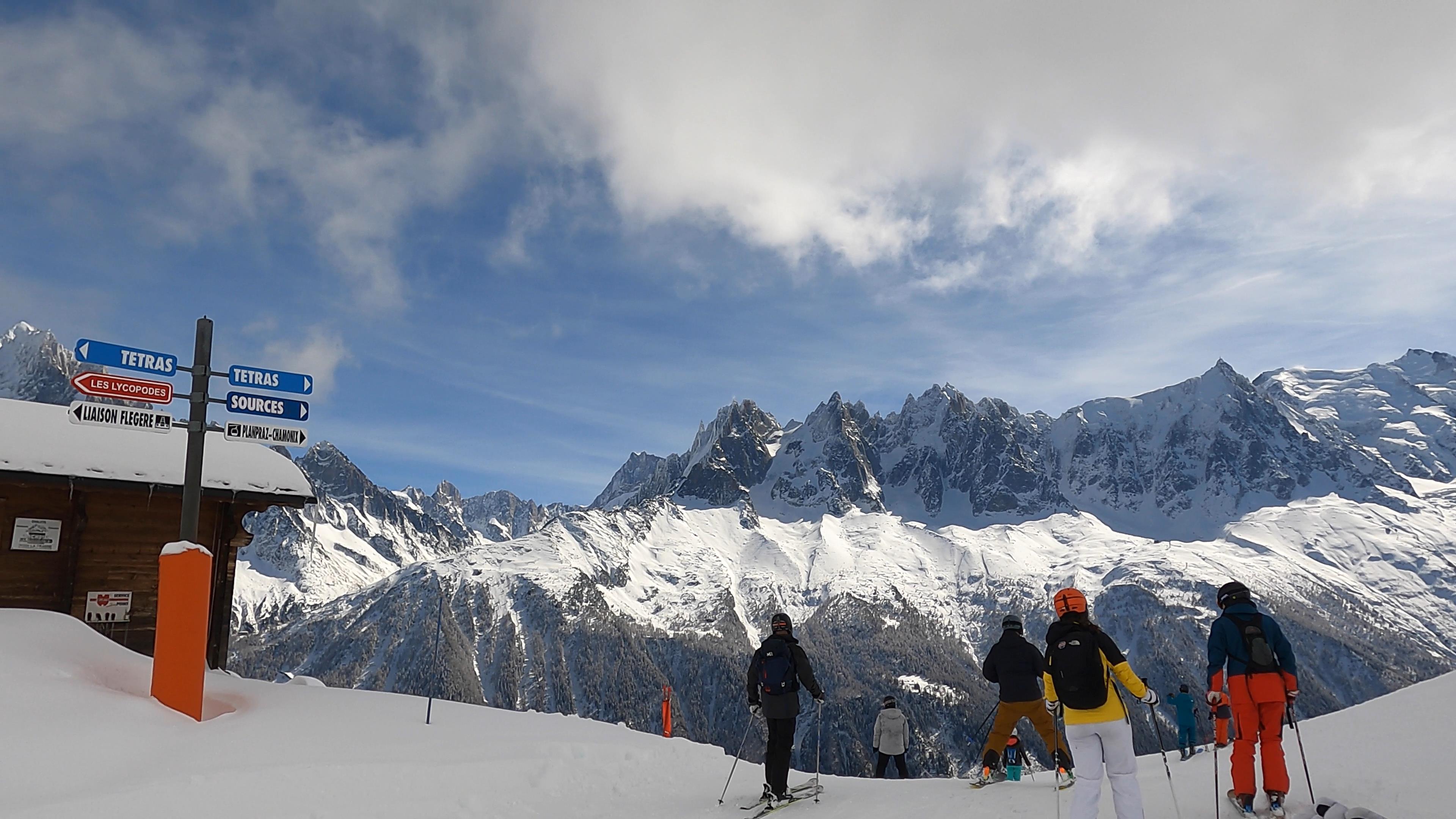
Ski resorts were not created equal. Some are known for challenging terrain and substantial vertical, such as Sun Valley or Jackson Hole. Others provide an experience that extends well beyond the difficulty of their slopes. In the French Alps, for example, skiing around Chamonix comes with extraordinary panoramic views of the Mont Blanc massif that are difficult to compare with the experience of skiing at a smaller local mountain.
For other travelers, the mountain itself may be only one component of the trip. Dining, lodging, après-ski and other activities can matter just as much. You might want to spend an afternoon at an outdoor spa, stay in a traditional Alpine village or seek out restaurants serving regional Italian or French cuisine.
No single resort can provide every experience equally well.
Snow conditions introduce another variable. Even a mountain you love can provide a disappointing experience during an unfavorable snow year, while choosing a destination with better conditions can transform a trip. When you are spending considerable money and vacation time traveling to ski, conditions deserve to be part of the decision rather than an afterthought.
Ultimately, exploring different mountains gives you the opportunity to experience combinations of terrain, scenery, culture and food that returning to the same destination simply cannot reproduce.
If proximity is the deciding factor, my Where to Ski Near DC guide shows how the “best” resort can change when drive time, trip length and local conditions become more important than destination-scale statistics.
What Are the Most Important Factors When Planning a Ski Trip?
There is no universal answer.
The factors that matter most depend on your preferences, skiing ability and aspirations. Finding the right destination therefore starts with understanding what you actually want the trip to accomplish.
Are you looking primarily for an enjoyable week with your family?
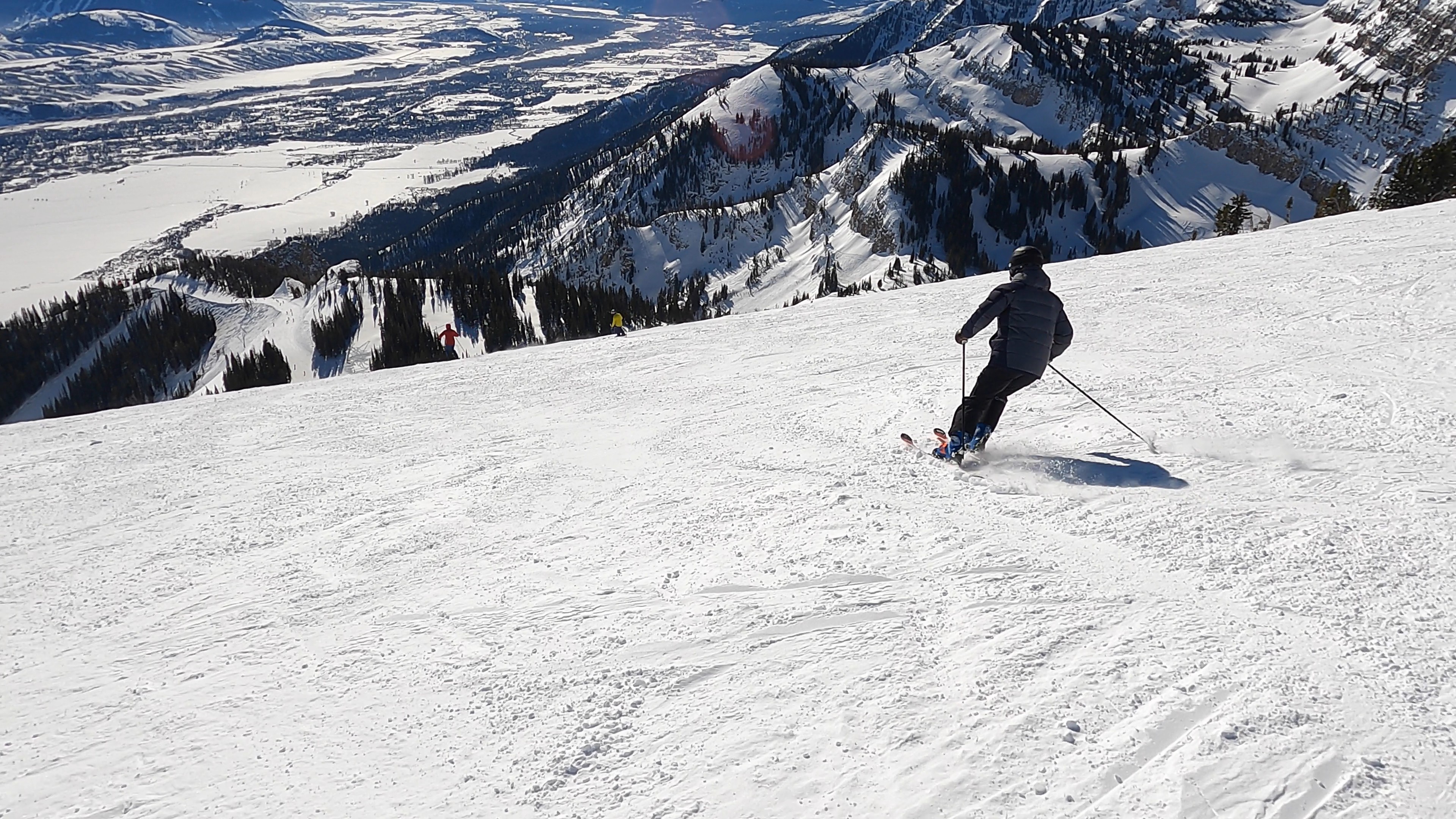
Do you want to challenge yourself by skiing from the top of Jackson Hole?
Are you planning a once-in-a-lifetime trip to Chamonix with the ambition of skiing the Vallée Blanche?
Those are three very different trips, and each requires a different way of evaluating potential destinations.
That is why I think the first step should come before opening a resort finder, ranking or booking website. Decide which characteristics matter to you and prioritize them.
What About the Budget?
Budget may or may not be the deciding factor when choosing a ski destination, but for many skiers it can substantially affect where, when and how they travel.
Depending on where you live and the type of trip you are planning, there are several ways to control the overall cost without making budget the only factor in the decision. Buying a local season pass, Ikon Pass or Epic Pass well in advance can reduce the cost of lift access, particularly if you expect to ski multiple days during the season. Historically, some of the most attractive pass prices have been available during the summer and before the end of August, although pricing and deadlines can change from season to season.
Planning ahead can also make a meaningful difference. Reserving lodging and transportation in advance, using airline miles or credit-card travel points when available, and remaining flexible with travel dates can all help reduce the cost of a destination ski trip. For some destinations, shifting a trip away from peak holiday periods to the second half of February or the beginning of March may provide better value while still offering a substantial part of the ski season.
But saving money should not be considered in isolation. A lower-cost trip is not necessarily a better trip if the destination does not have terrain that matches your ability, enough variety for the length of your stay, suitable snow conditions or the experience you are looking for. Budget therefore needs to be considered together with the other factors discussed above—terrain, snowfall, resort size, elevation, vertical, travel time and the goals of the trip.
Snowfall Is One of My First Filters
Personally, I try to visit new destinations that receive substantial amounts of natural snow. Average annual snowfall is therefore usually one of my most important considerations.
It does not guarantee good conditions during a particular week, of course. Weather varies considerably from season to season, and factors such as elevation, exposure and snowmaking also affect mountain conditions.
But when I am initially narrowing a large number of potential destinations, historical snowfall gives me a useful starting point.
Resort Size Matters More on Longer Trips
I do not have a strict minimum requirement for skiable acreage.
For a week-long trip, however, I generally prefer larger ski areas because they provide more terrain to explore over several days.
Terrain variety matters just as much as absolute size.
I am usually traveling with ski partners whose abilities and preferences are not identical to mine. A mountain with a balanced mix of terrain can therefore provide a better trip than one that looks impressive based purely on acreage.
As my skiing developed, I also learned that the amount of terrain officially labeled for each ability level does not always describe how that terrain actually feels. Trail ratings are relative to each mountain, and an experienced skier may judge difficulty very differently from a developing skier.
For first-time skiers, I go into this in more detail in How to Choose a Ski Resort for Beginners. Chamonix is an especially useful example because its reputation and terrain can make it a poor fit for some beginners even though beginner areas exist; see my Chamonix beginner guide.
Vertical Drop and Summit Elevation Matter to Me More Today
As my skiing progressed, the characteristics I looked for changed as well.
Today, I pay considerably more attention to summit elevation and vertical drop when choosing destinations.
Vertical drop can provide some indication of the length and scale of the skiing experience, while summit elevation becomes particularly relevant when considering mountain climate and snow preservation.
For me, these factors also help identify destinations capable of providing enough challenge and variety to keep a longer ski trip interesting.
Another skier may reasonably rank them much lower. That is exactly the point: the best ski resort is not an absolute ranking. It is a match between a mountain and a skier.
If your own goal is progression toward steeper terrain, my guide How to Know If You Are Ready for Steep Slopes explains how I think about readiness and terrain choice rather than relying on a trail color alone.
Sometimes the Best Part of a Ski Trip Is Not the Skiing
One of the biggest changes in how I think about ski travel came from skiing internationally.
Although I started skiing in the United States, traveling to ski in other countries expanded the experience far beyond mountains and snow.
A ski trip can also become an opportunity to visit another country, experience a different culture, explore Alpine villages and discover regional food.
Those experiences have produced some of my strongest travel memories.
That means geography itself has become another consideration when I choose where to ski. If two destinations offer comparable skiing, but one gives me an opportunity to experience somewhere completely new, that can influence my decision.
For someone primarily interested in maximizing days on snow at the lowest possible cost, that might not matter at all. Again, there is no universal formula.
My Val Gardena ski guide is a good example of why this matters: choosing between Ortisei, Santa Cristina and Selva is not only about terrain statistics. Village atmosphere, lift access, the Sellaronda and the broader Dolomites experience all affect the trip.
Do Ski Resort Rankings Really Answer This Question?
This is where I became increasingly cautious about relying exclusively on “best ski resort” rankings.
Rankings can be useful. They can introduce destinations you may never have considered and summarize a large amount of information quickly. But every ranking also reflects the priorities and experience of whoever created it.
Terrain difficulty is a good example. A highly experienced skier may perceive a particular mountain very differently from someone still building confidence on intermediate slopes. What one reviewer considers relatively straightforward can be genuinely challenging for another skier.
The same issue applies to nightlife, resort size, scenery, convenience and almost every other subjective characteristic.
That does not make editorial rankings useless. It simply means I do not want someone else’s overall score to make the decision for me.
I would rather see the underlying characteristics and decide which ones matter.
How I Used to Compare Ski Resorts
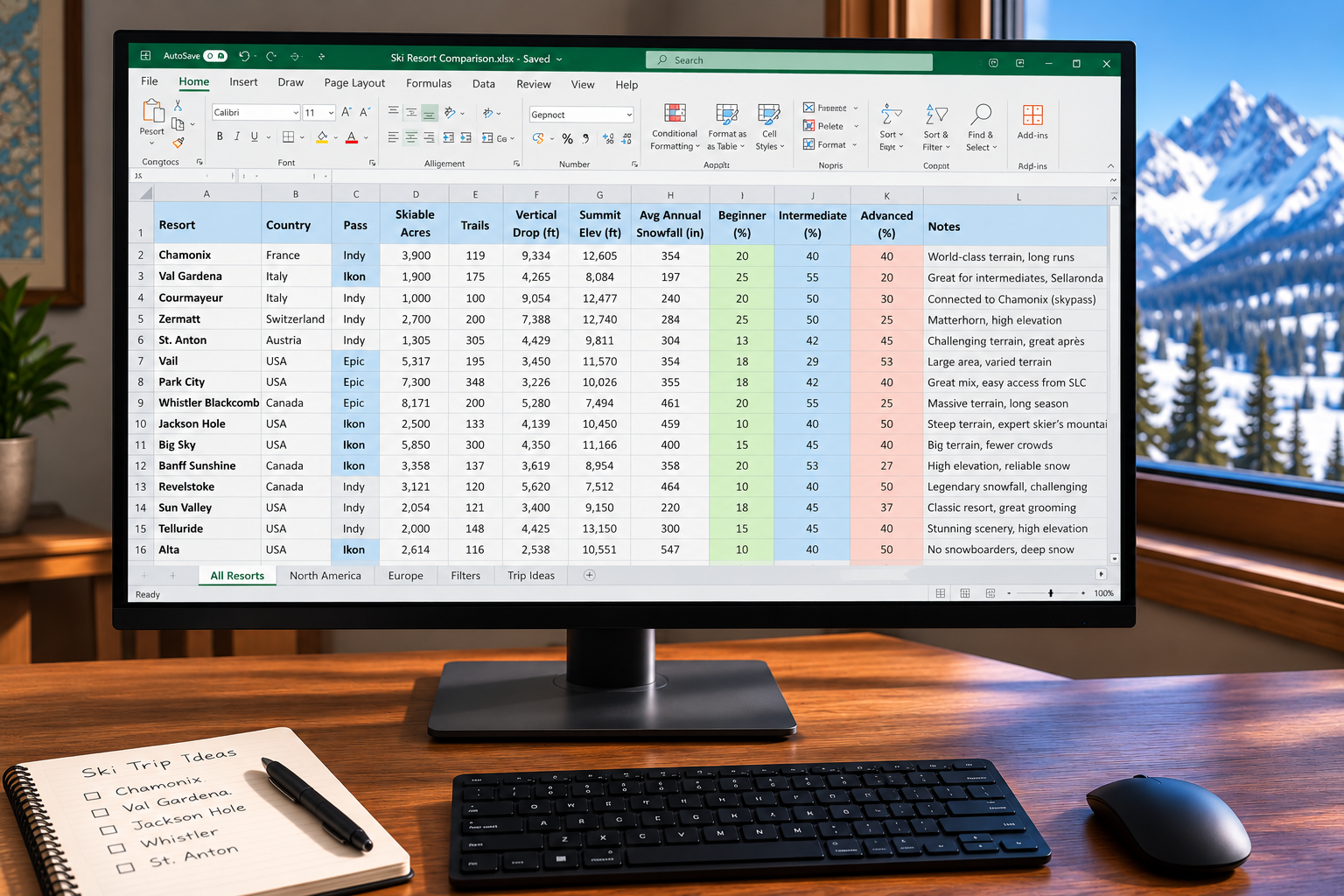
For years, my solution was surprisingly simple: a spreadsheet.
I would research potential destinations, manually enter their characteristics and then create filters that allowed me to narrow the list according to whatever mattered for a particular trip.
- Average annual snowfall
- Skiable area
- Vertical drop
- Terrain mix
- Summit elevation
- Location and travel considerations
- Pass access when relevant
The approach worked, but it was time-consuming. Information was scattered across resort websites and other sources, measurements were not always presented consistently, and comparing a large number of destinations required considerable manual work.
Pass affiliation added another layer. If Epic or Ikon access is central to your decision, my Ikon vs Epic Pass 2026–27 comparison looks at that question separately. But even after choosing a pass, you still need to decide which mountains on that pass actually fit your trip.
From My Spreadsheet to Slope360
That manual process eventually became the idea behind Slope360™.
Instead of repeatedly building spreadsheets every time I wanted to investigate another destination, the goal was to organize the resort characteristics I was already using into a searchable database.
Slope360 is now a free ski resort finder and comparison tool covering 200+ ski resorts.
Rather than telling you that resort A is universally “better” than resort B, it lets you narrow the choices yourself using characteristics such as skiable area, vertical drop, annual snowfall, summit elevation, terrain mix, location and ski-pass access.
If you are an advanced skier primarily interested in vertical and snowfall, you can search that way. If you are traveling with less experienced skiers and terrain balance matters more, you can prioritize that instead. If you have already purchased an Epic or Ikon Pass, you can narrow the choices accordingly.
And once you have found several possibilities, you can compare up to three resorts side by side.
That is essentially the same process I used to perform manually—just without rebuilding a spreadsheet for every trip.
Want to compare the underlying resort data yourself? Slope360™ lets you filter and compare 200+ ski resorts by terrain, snowfall, vertical drop, summit elevation, pass access, travel details and more.
Explore Ski Resorts with Slope360™So, How Do You Find the Best Ski Resort for You?
I do not think the answer is to find somebody else’s list of the world’s ten “best” ski resorts and simply choose number one.
Start with yourself.
Think about your skiing ability. Decide how important natural snowfall is. Consider how much terrain you will realistically need for the length of your trip. Think about vertical, elevation, travel time and budget. If you are traveling with other people, consider what they need from the mountain as well.
And do not forget what happens after the lifts close.
For some trips, skiing may be almost everything. For others, the village, restaurants, scenery and opportunity to experience another country can become just as memorable.
Once you understand those priorities, finding the right mountain becomes considerably easier.
Whether you use a spreadsheet, individual resort websites, Slope360 or a combination of all three, the principle is the same:
Do not look for the world’s best ski resort. Look for the ski resort that best fits the trip you want to take.
Related Ski Trip Planning Guides

About the Author
Andy Newman is the founder of Next Outdoor Adventures and has more than 10 years of firsthand skiing experience at major resorts across North America and Europe, including Jackson Hole, Sun Valley, Vail, Chamonix and Dolomiti Superski.
Andy began skiing in his 40s and progressed from a complete beginner to skiing advanced and double-black-diamond terrain by his late 40s. That progression shapes how he compares resorts: not by a single “best” ranking, but by matching terrain, conditions, trip logistics and destination experience to the skier and the trip.
Support the Channel
If this guide helped you plan your trip, please subscribe to our YouTube channel, share the article, and follow Next Outdoor Adventures for more firsthand ski and mountain travel guides.