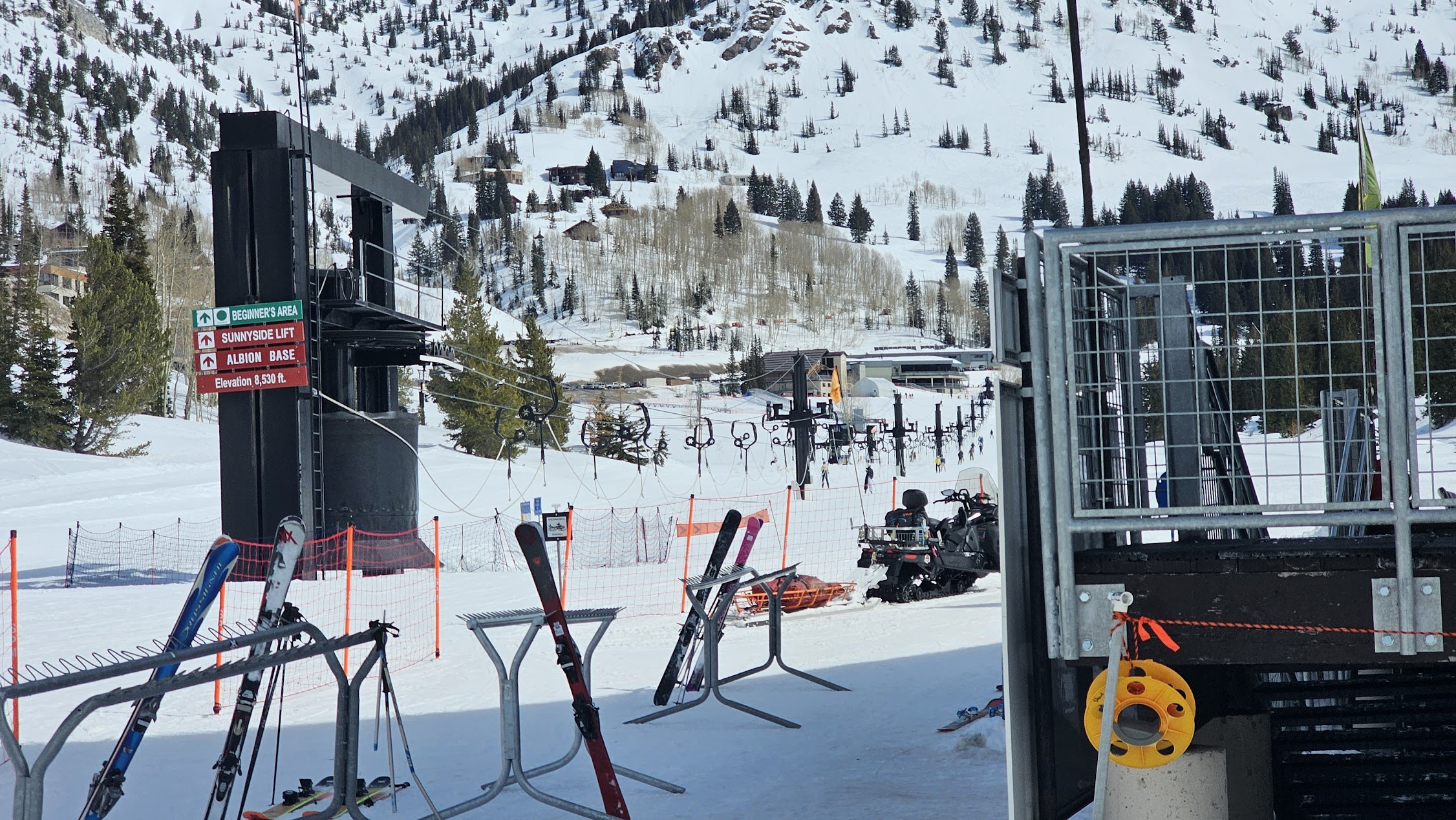
Starting Our Skiing Career in Our 40s
We created this guide after personally spending 6 seasons skiing across the U.S. and Europe — from Deer Valley to Dolomiti Superski. Most advice online is generic; ours comes from real on-slope experience. We started our skiing career in our mid-40s without any prior experience. Since then, we’ve made substantial progress—from learning how to ski on gentle green slopes to eventually tackling double black diamond trails at challenging ski resorts such as Jackson Hole and Sun Valley.
Along the way, we observed many beginners trying to learn skiing on slopes that were far too steep, struggling to control their speed, and repeating the same mistakes. This article shares what we learned to help you save money, avoid frustration, and reduce the risk of unnecessary injuries—while dramatically improving the quality of your skiing experience.
The Importance of Ski Lessons and Terrain Choice
Choosing the right ski lessons, terrain, and location of the resort plays a crucial role in the return on your investment. While many beginners head to large ski resorts with big selections of trails, we’ve found that smaller resorts often provide better conditions for learning and better value. Here’s why:
- Cost of lessons: Smaller resorts usually offer more competitive pricing for private ski lessons. While group lessons may appear cheaper, we strongly believe your very first lessons should be private. Having an instructor fully focused on you ensures you develop a solid foundation of technique.
- Gentler terrain: The vertical drop and pitch of beginner trails matter. It’s far more effective to learn on very mild slopes where you can control your speed, then gradually move to steeper terrain as your skills grow. Too often, we’ve seen people overwhelmed on steep slopes, stressed by mistakes, or distracted by faster skiers flying by.
- Learn locally first: We also recommend taking ski lessons in your home country before venturing abroad. Communication is critical in learning, and language barriers can create frustration. Skiing cultures and teaching approaches also vary between countries, which can complicate your progress early on.
Why Lessons Are Not Just for Beginners
Many skiers think lessons are only necessary at the start of their skiing journey. In reality, each type of terrain requires a different set of skills. For example:
- Moguls require timing, rhythm, and quick turns.
- Tree skiing demands precision and agility.
- Powder skiing involves a unique stance and balance compared to groomed runs.
That’s why we suggest taking at least one lesson before trying any new terrain type. Don’t assume what you learned in beginner school will transfer automatically to advanced conditions. And just as importantly—check your instructor’s background, certifications, and teaching style. In our experience, former professional athletes bring a structured, proven approach compared to self-taught or uncertified instructors.
Equipment and Physical Preparation
Skiing isn’t just about lessons and technique—it also requires physical preparation and the right equipment. Strong legs and core stability are essential to ski safely across varied conditions. Snow quality and temperature shifts add complexity:
- Powder snow is ideal but limited to certain locations.
- Icy conditions are common in the U.S. East Coast and many European resorts, especially in the mornings.
- Slushy snow often develops by noon when temperatures rise, requiring both adjustments in technique and equipment choice.
Rental shops can help you select skis suited to the day’s conditions. But in the long run, your technique will always depend on your physical conditioning. Maintaining an active lifestyle helps, and after your first lessons, you may decide to pursue a targeted training program to reach a higher level of proficiency.
Conclusion
Learning to ski is not quick, easy, or cheap—it requires patience, practice, and planning. Whether you start in your 20s, 30s, or 40s, progress is achievable, but no shortcut replaces consistent effort. Skiing doesn’t have to mean moguls, cliffs, or tree runs—those experiences can be thrilling but also carry a higher risk of serious injuries. For recreational skiers, listening to your body, moving slowly, and focusing on steady progress is the safest way forward.
If you aim to pursue skiing professionally, it’s best to start young, train under professional coaches, and dedicate yourself to the sport with a structured program. But for most of us, the goal is to enjoy the slopes safely, build confidence, and make skiing a lifelong adventure.
FAQ: Starting Your Ski Journey
What is the best way to start skiing?
The best way to start skiing is to take a lesson, choose very gentle beginner terrain, practice speed control, and avoid moving to steeper slopes too quickly.
Should beginner skiers take private lessons?
Private lessons can be a strong first-day investment because the instructor can focus on your stance, stopping, turning, speed control, and terrain choice.
What terrain should beginners choose?
Beginners should choose wide, gentle, freshly groomed beginner terrain with small vertical drop and easy exits. Avoid steep beginner runs, crowded trails, and terrain with fast skier traffic.
What are common beginner skiing mistakes?
Common mistakes include skipping lessons, arriving late for rentals, choosing terrain that is too steep, dressing poorly for cold weather, and progressing faster than technique allows.
Can adults learn to ski later in life?
Yes. Adults can learn to ski later in life, but progress requires patience, lessons, physical preparation, appropriate terrain, and realistic expectations.
Tell us your take: Share your first-day skiing lessons, beginner mistakes, or progression tips with us on YouTube, Facebook, or Instagram — links below!

About the Author
Andy Newman is the founder of Next Outdoor Adventures and has more than 10 years of firsthand skiing experience at major resorts across North America and Europe, including Jackson Hole, Sun Valley, Vail, Chamonix, and Dolomiti Superski.
Andy began skiing in his 40s and progressed from a complete beginner to skiing advanced and double-black-diamond terrain by his late 40s. That progression gives him a practical understanding of what adult beginners need most: instruction, terrain discipline, speed control, physical preparation, and realistic progression.
His ski guides are based on actual resort visits and personal skiing experience—not generic destination descriptions or theoretical trail-map analysis.