Quick answer: The most scenic ski runs in North America are not always the steepest or longest. The best scenic runs combine strong mountain views, skiable terrain, reliable visibility, and enough space to stop safely for photos. Based on firsthand ski trips and on-mountain photography, this list highlights Jackson Hole, Sun Valley, Copper Mountain, Lake Louise, Mt Norquay, Alta, and Snowbasin.
Scenic Ski Runs Worth Planning Around
Some ski runs are fast. Some are steep. But only a handful deliver views so dramatic that you stop, pull out a camera, and forget you’re skiing. This guide is a photographer’s curated list of the most scenic ski runs in North America — chosen for their views, terrain, and natural light, not just their vertical drop.
What Makes a Ski Run “Scenic”?
Not all ski runs with mountain views deliver the same experience. In this guide, a scenic ski run is defined not just by how impressive the surroundings look in photos, but by how consistently those views enhance the skiing experience in real conditions.
Several factors determine whether a run truly feels scenic on the mountain. Landscape scale matters—high alpine bowls, exposed ridgelines, and long fall-line descents tend to provide more dramatic views than short lookout points. Equally important is view duration. Runs that offer sustained scenery over several minutes create a more immersive experience than trails with only brief viewpoints.
Skiability also plays a role. The most memorable scenic runs strike a balance between visual impact and enjoyable terrain, allowing skiers to appreciate the surroundings without constantly managing extreme technical challenges. Seasonal reliability is another key factor: some runs look spectacular only in perfect weather, while others remain visually engaging even on overcast days.
Finally, crowd levels and timing affect how scenic a run feels in practice. Even the most beautiful trail can lose its appeal if it is overcrowded or rushed. The runs included in this guide were selected based on how often they deliver a genuinely scenic experience—not just how impressive they appear in promotional imagery.
Who This Guide Is For (and Who It Isn’t)
This guide is designed for skiers who value the overall mountain experience as much as the skiing itself. It is especially useful for intermediate to advanced skiers, destination travelers, photographers, and anyone planning ski trips around iconic landscapes rather than pure vertical or speed.
If you enjoy wide-open alpine terrain, long views, and runs that showcase the character of a mountain range, these scenic ski runs will likely enhance your trip. Many of the runs highlighted here are best appreciated on clear days and reward skiers who are comfortable adapting their plans based on weather and visibility.
This guide is not intended for beginners looking for sheltered learning terrain or for skiers focused exclusively on storm-day tree skiing. Scenic runs often involve exposure, variable conditions, and terrain that assumes confident edge control. For those priorities, other types of runs may provide a more enjoyable experience.
Quick Facts: Best Scenic Ski Runs in North America
| Region | Resort / Run | Best For |
|---|---|---|
| Wyoming | Jackson Hole — Rendezvous Bowl | Teton skyline, big-mountain feel, storm-day drama |
| Idaho, USA | Sun Valley — Bowls off Bald Mountain | Classic Sun Valley light, long fall-line bowls |
| Colorado | Copper Mountain — Spaulding Bowl / Sierra Area | High-alpine bowls, wind-sculpted snow, above-treeline views |
| Alberta, Canada | Lake Louise — Larch / Ptarmigan | Glacial valleys, evergreen forests, classic Rockies atmosphere |
| Alberta, Canada | Mt Norquay — North American / Lone Pine | Steep classic lines above Banff townsite, dramatic valley views |
| Utah | Alta — Devil’s Castle / Ballroom Traverse | Rock amphitheater, deep powder, sunrise color |
| Utah | Snowbasin — Needles Run | Long ridgeline views, storm inversions, follow-cam laps |
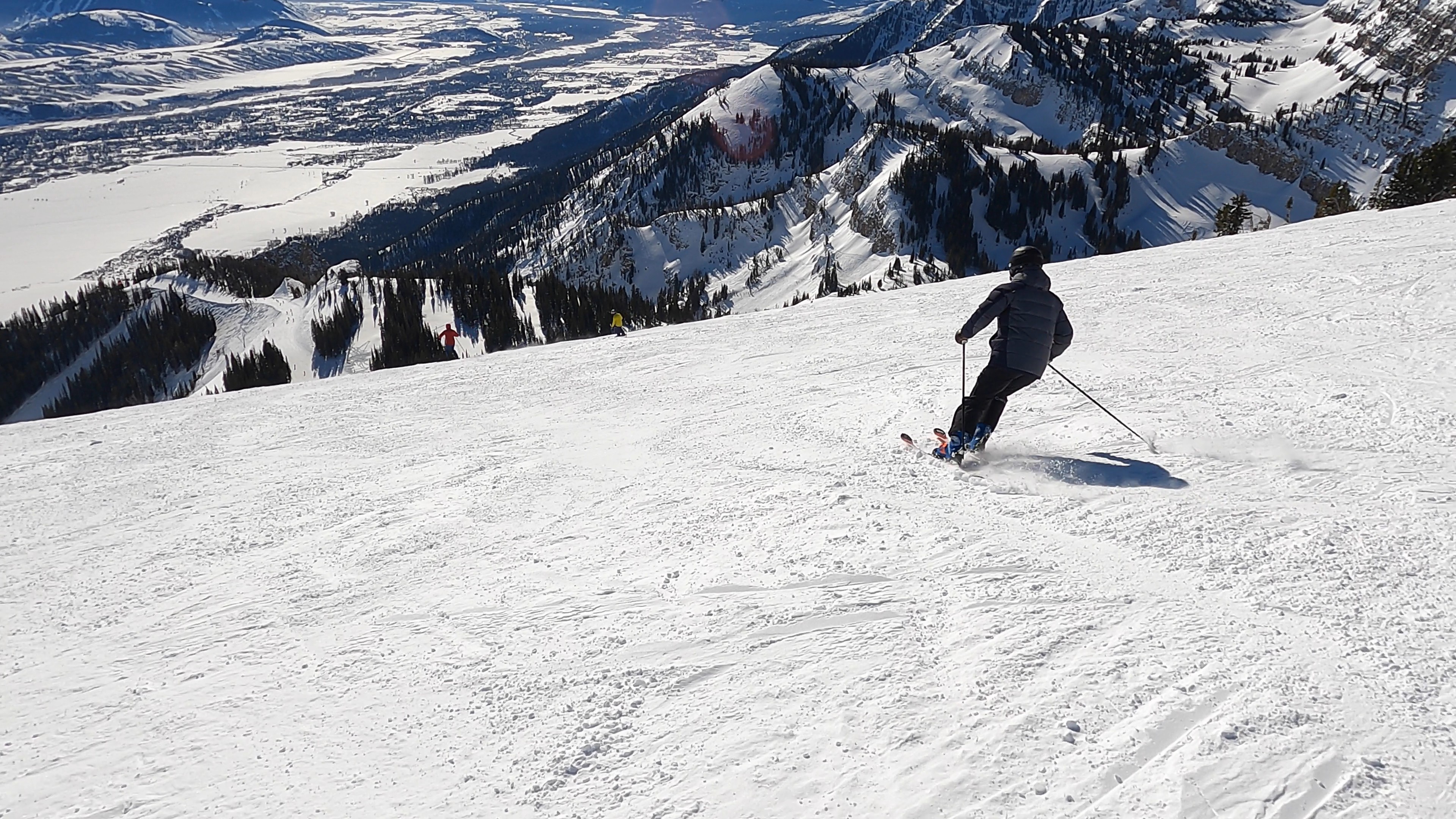
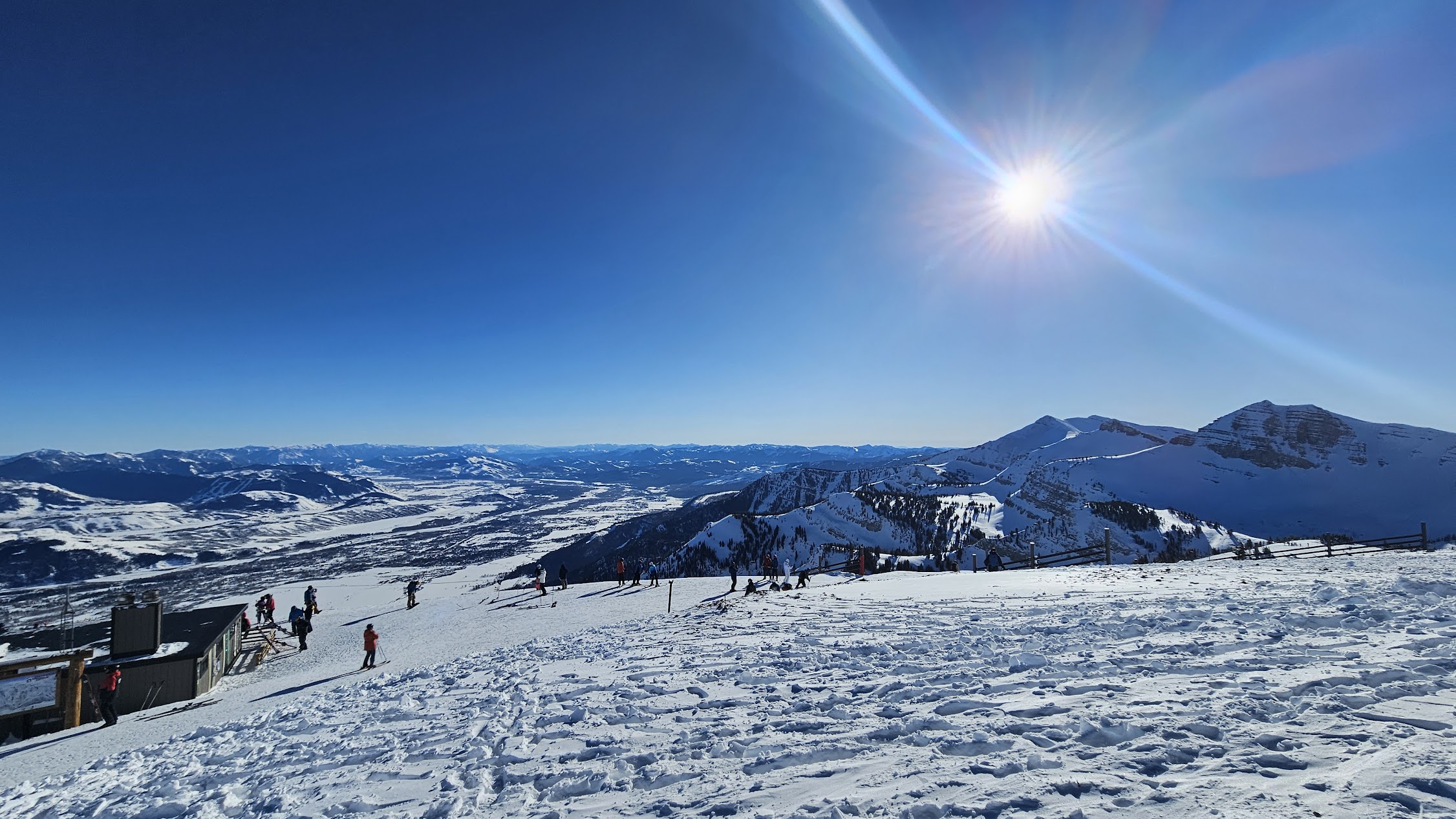
Jackson Hole — Rendezvous Bowl (Wyoming)
Best for: Big-mountain scenery, powder shots, classic Teton views
Difficulty: Advanced
Rendezvous Bowl is one of those places where you feel small in the best way. From the tram, the Teton Range stretches across the horizon. Drop into the bowl and you get a perfect blend of pitch, space, and backdrop for both stills and video.
- Take a tram in early morning or late noon
- Pause at the top of the bowl to capture skiers dropping in with the Tetons behind.
- Use a slightly wider lens (24–35mm full-frame) to keep both terrain and sky in frame.
Sun Valley — Bowls off Bald Mountain (Idaho)
Best for: Classic Sun Valley light, long fall-line shots, and open bowl skiing
Difficulty: Intermediate to Advanced
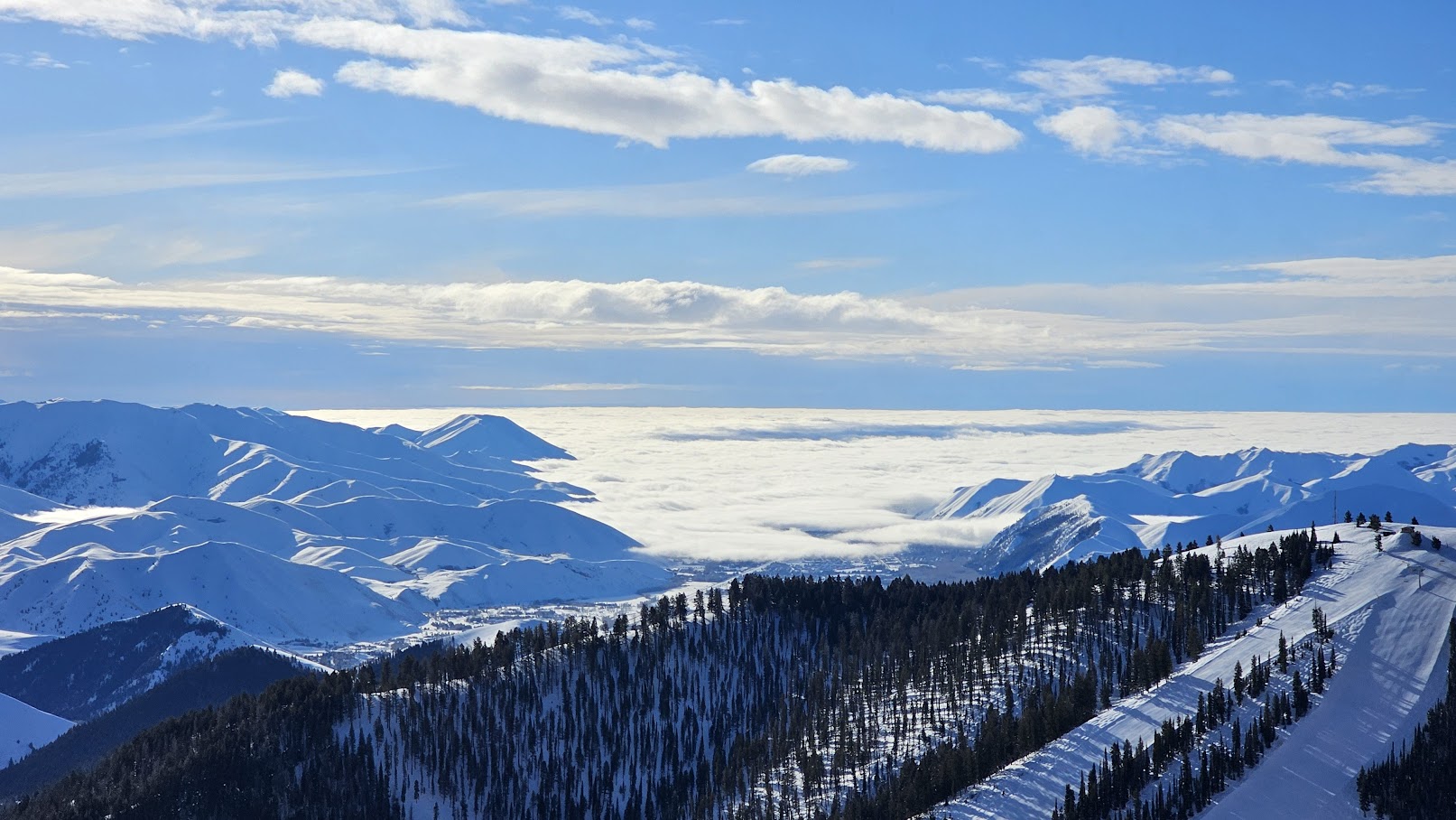
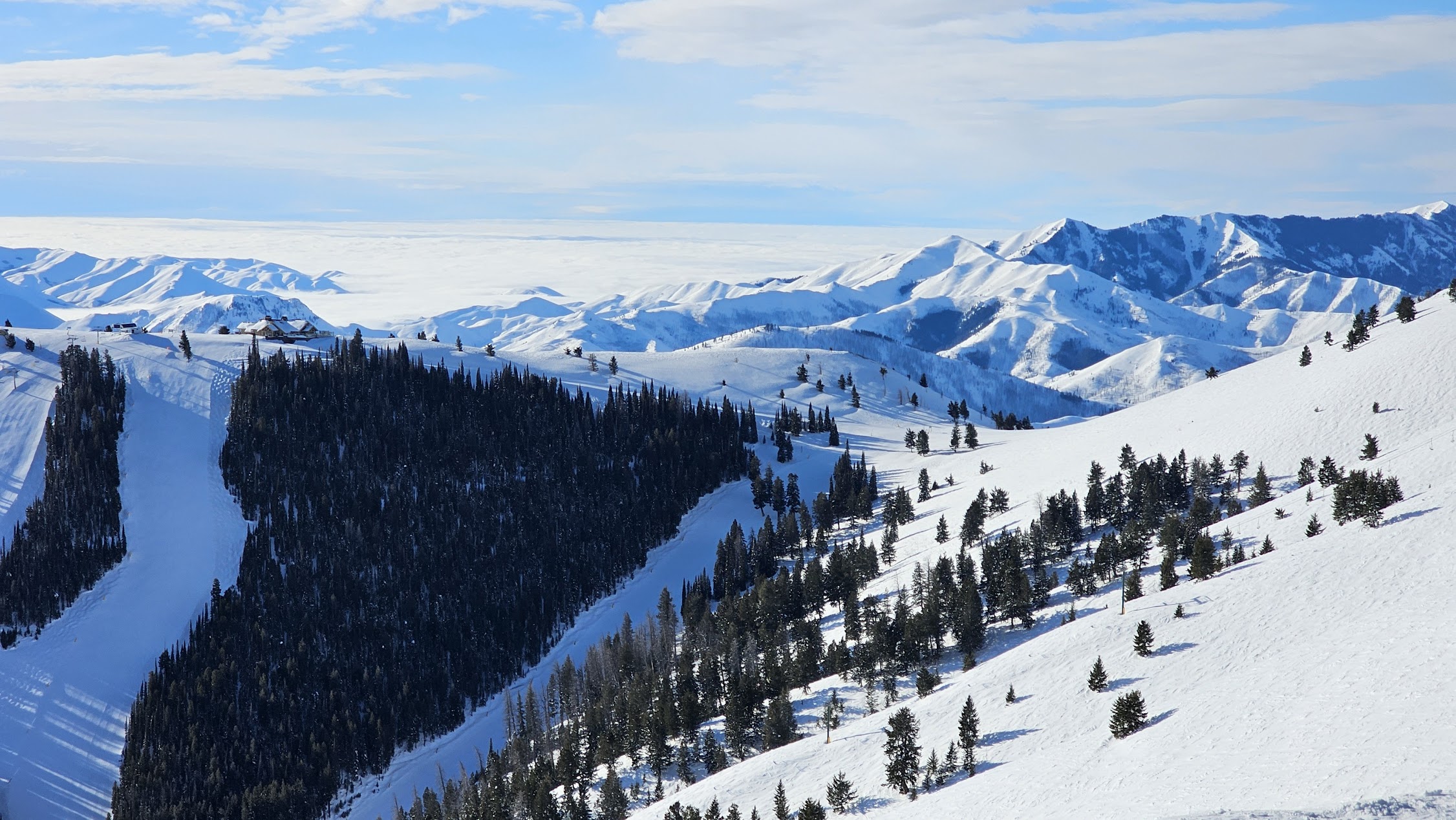
The bowls and upper faces off Bald Mountain offer long, consistent fall lines with huge views toward the valleys around Sun Valley. In the right light, the snow takes on a golden tone that looks amazing on both video and stills.
- Time your laps for late afternoon when the low sun rakes across the bowls.
- Use longer lenses to compress the rolling lines of skiers and ridges.
- On bluebird days, shoot from slightly above your subject to show the depth of the valley below.
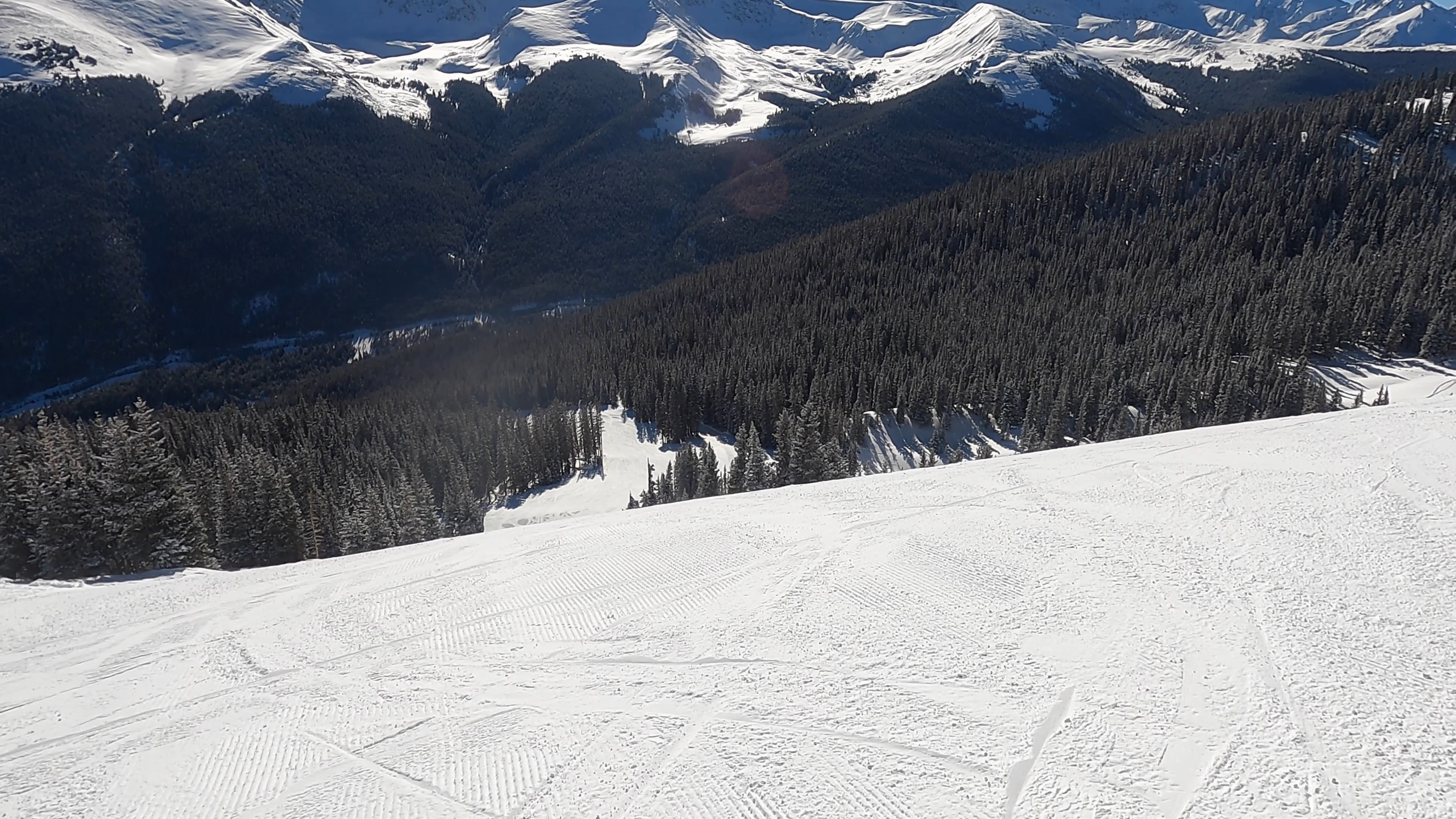
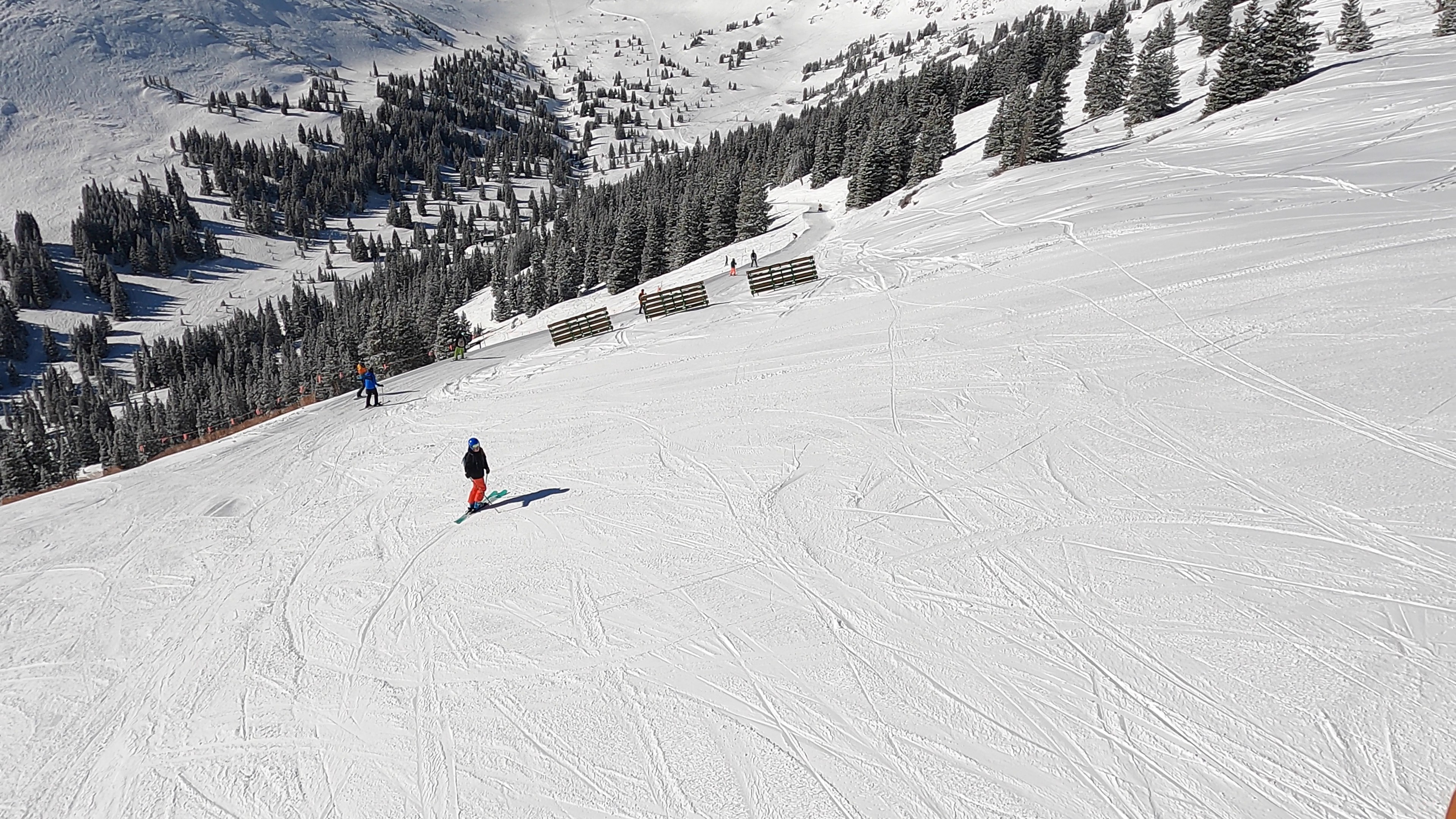
Copper Mountain — Spaulding Bowl / Sierra Area (Colorado)
Best for: High-alpine bowls, wind features, dramatic above-treeline views
Difficulty: Intermediate to Advanced (depending on line)
The high terrain around Spaulding Bowl and the Sierra lift at Copper Mountain gives you long, open pitches above treeline. Wind-sculpted snow, distant peaks, and soft afternoon light make this area incredibly photogenic.
- Frame skiers against the skyline to emphasize how high and open the terrain is.
- Look for sastrugi and wind lips to add texture to your foreground.
- On stormy days, use the flat light to create moody, minimalist compositions.
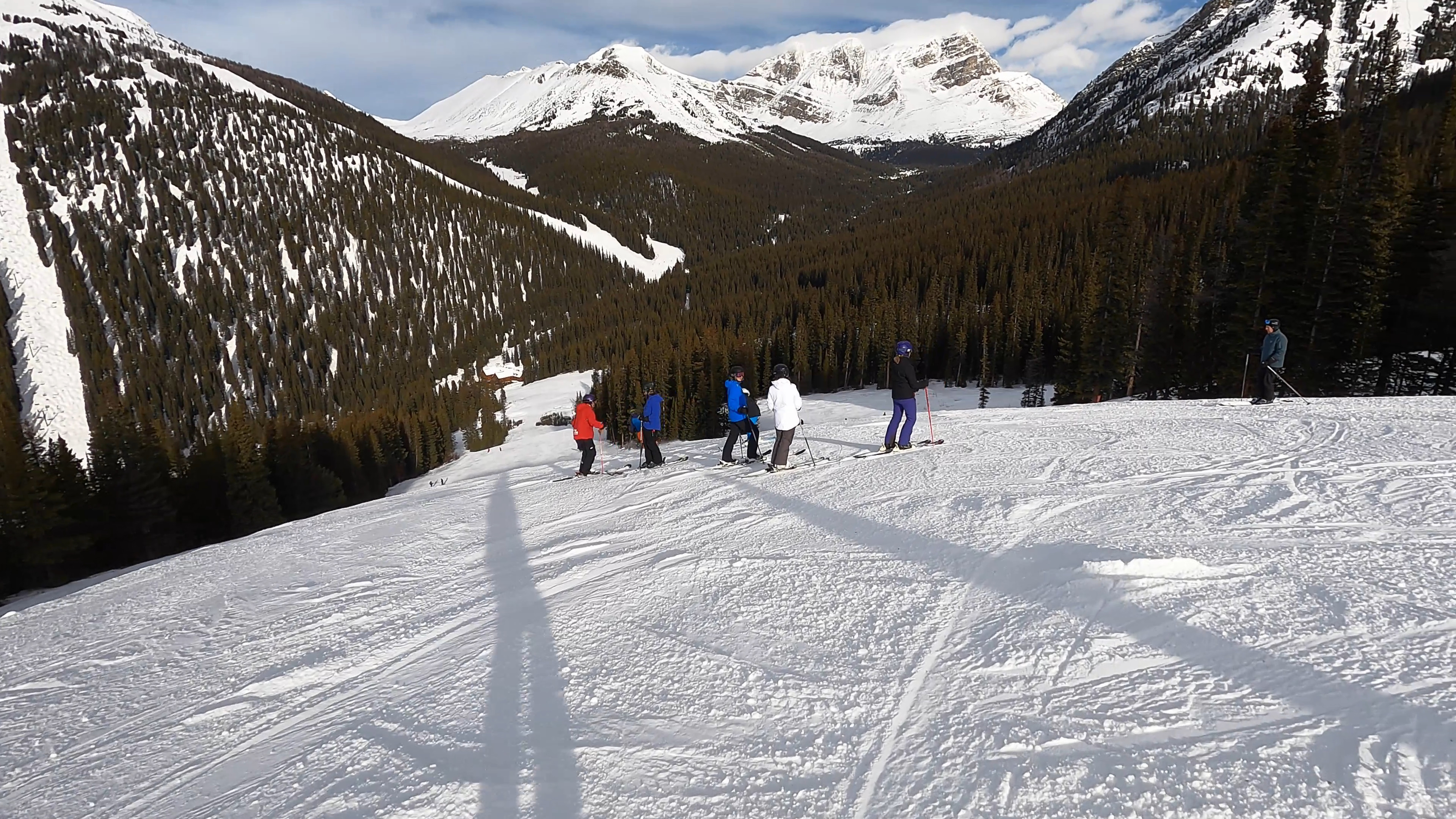
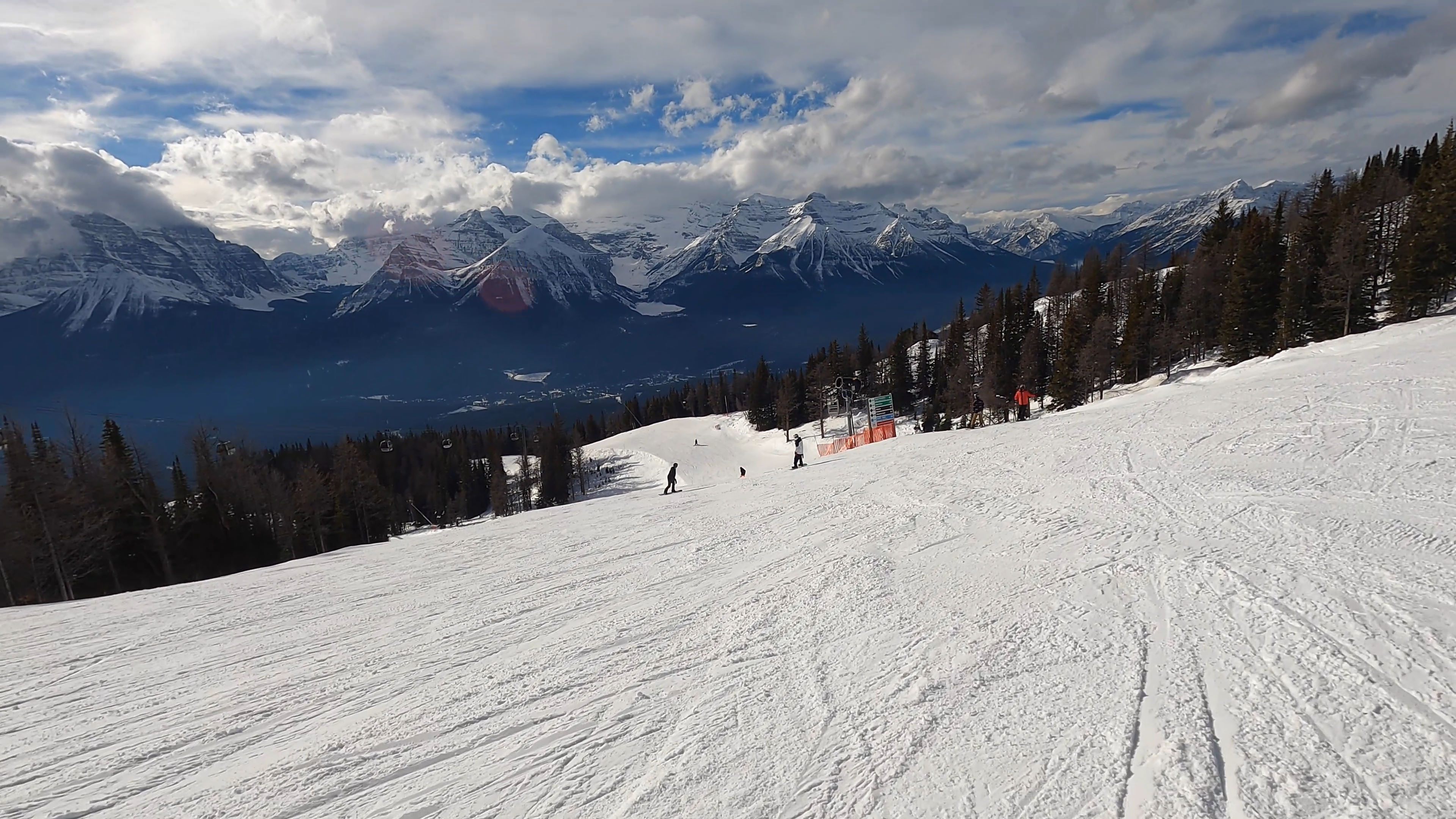
Lake Louise — Larch & Grizzly Express (Alberta,Canada)
Best for: Glacial valleys, evergreen forests, classic Rockies atmosphere
Difficulty: Mostly Intermediate
The Larch and Grizzly Express zones at Lake Louise are pure postcard material. With glacial valleys, perfectly spaced trees, and jagged peaks in the distance, you can practically shoot in any direction.
- Use tree islands to frame your subject and create depth.
- On clear days, look for vantage points where the valley drops away beneath the run.
- Snowy days give you soft, pastel tones — great for a calmer, cinematic feel.
Mt Norquay — North American / Lone Pine (Alberta, Canada)
Best for: Steep classic lines above Banff, dramatic valley views, night-skiing vibes
Difficulty: Advanced
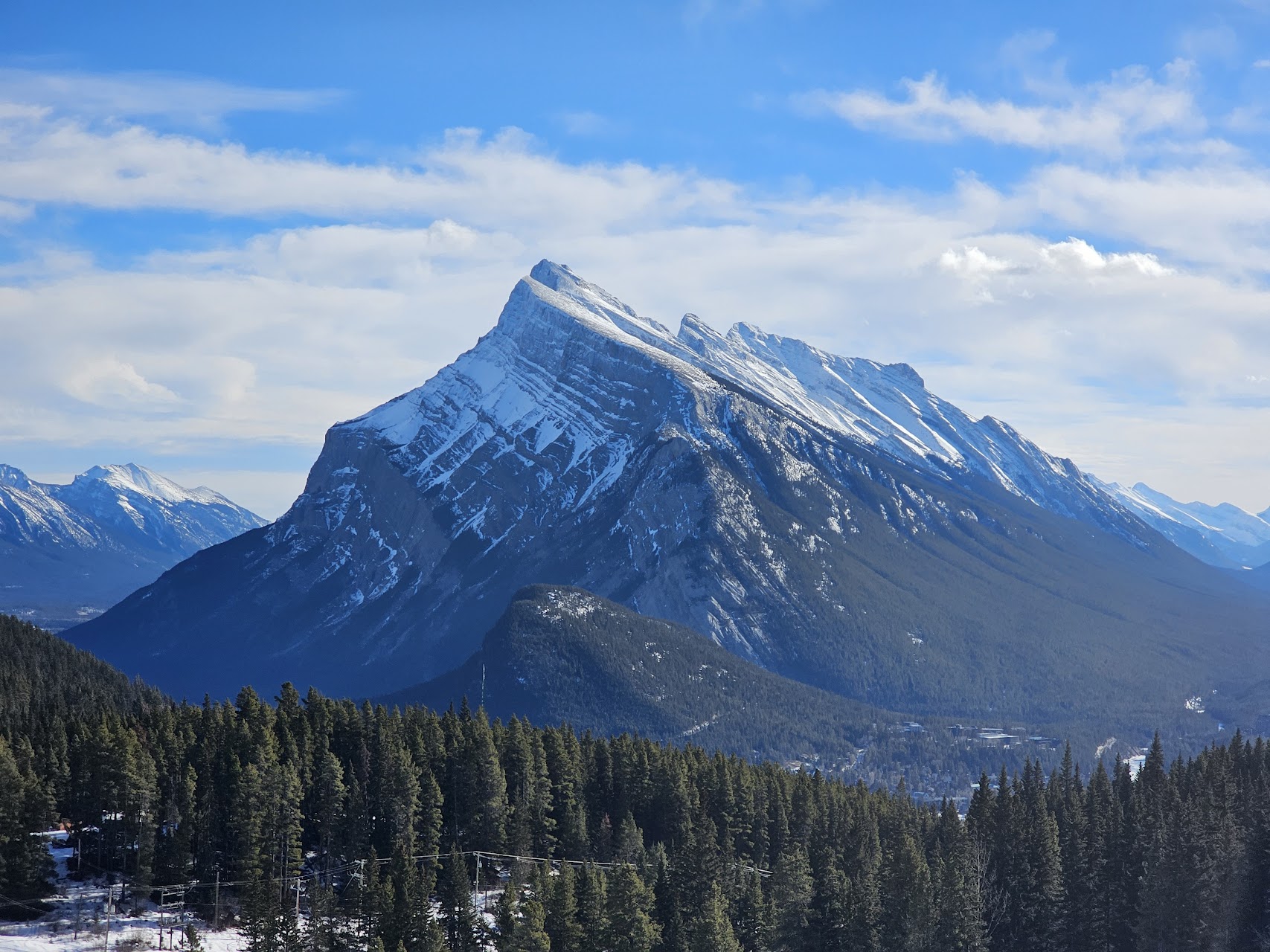
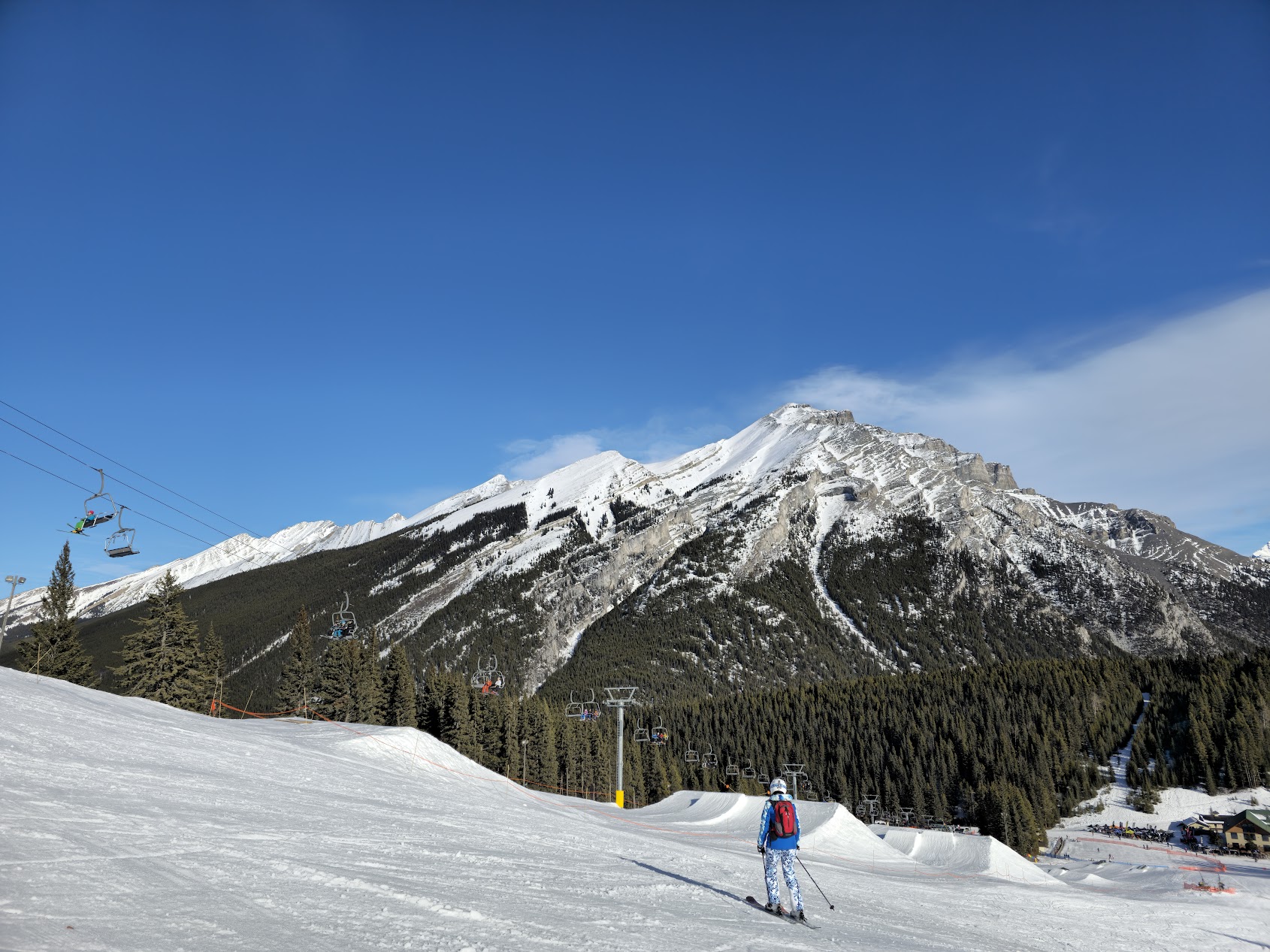
Mt Norquay sits directly above Banff, so from runs like North American and Lone Pine you get unreal views straight down to the townsite and along the Bow Valley. It’s a smaller hill, but from a photography perspective it punches way above its weight.
- Use the town of Banff and the highway as tiny details that emphasize the scale of the peaks.
- On clear days, shoot wide to capture both the steep pitch and the valley floor.
- At night, experiment with long exposures to capture the lights of Banff below.
Alta — Devil’s Castle & Ballroom Traverse (Utah)
Best for: Dramatic rock walls, deep powder, long-lens landscapes
Difficulty: Intermediate to Advanced
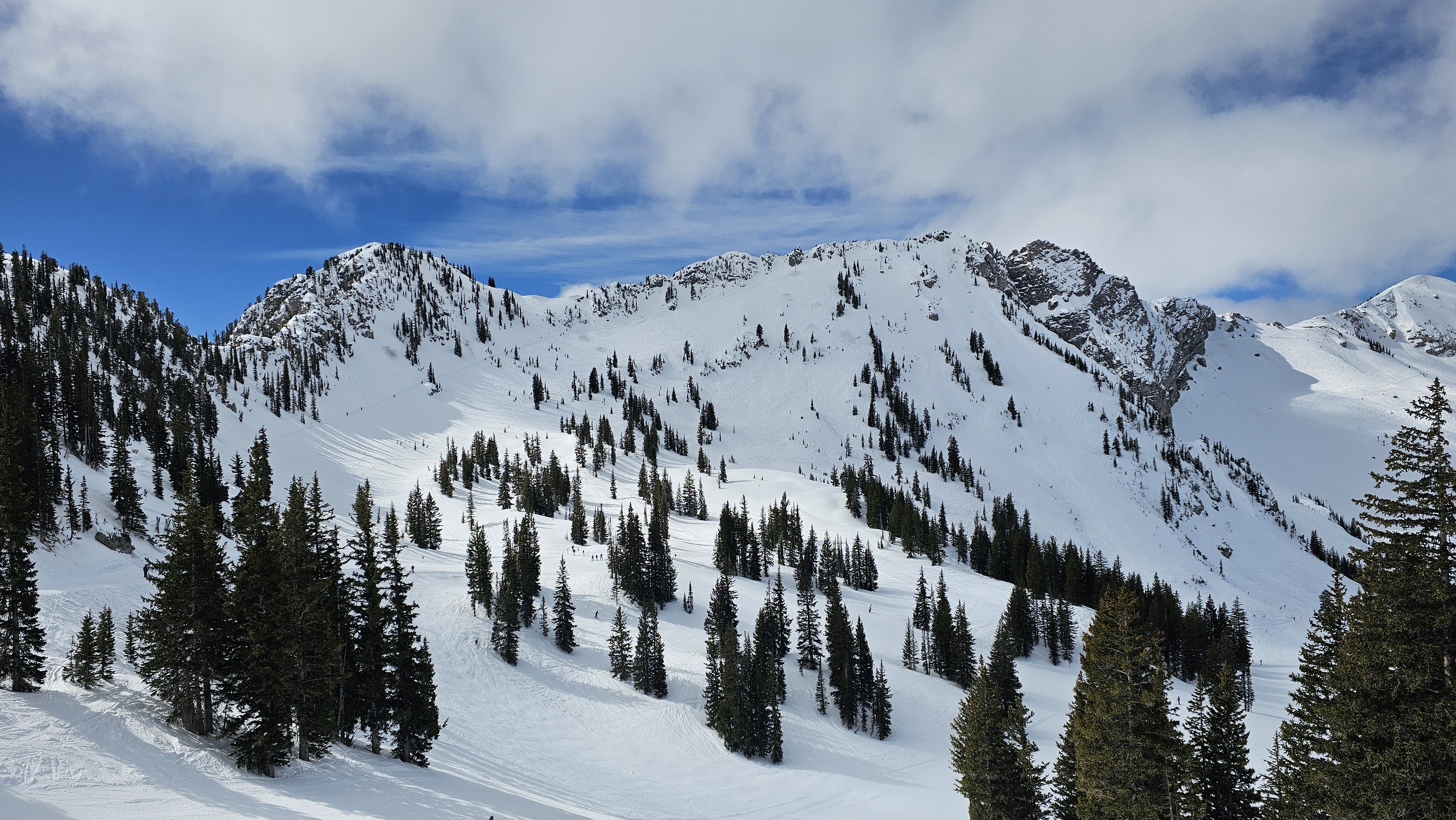
Alta’s Devil’s Castle is one of the most striking rock features in American skiing. When the morning sun hits the cliffs, the entire amphitheater glows warm orange against cold blue snow shadows. From the Ballroom Traverse, you can frame skiers against the cliff band, open bowls, and layered ridgelines.
- Arrive for first chair on a bluebird morning for the best color and contrast.
- Shoot from slightly below your subject to keep the rock walls and sky in the background.
- After a storm, focus on turns that throw snow against the dark rock for dramatic action shots.
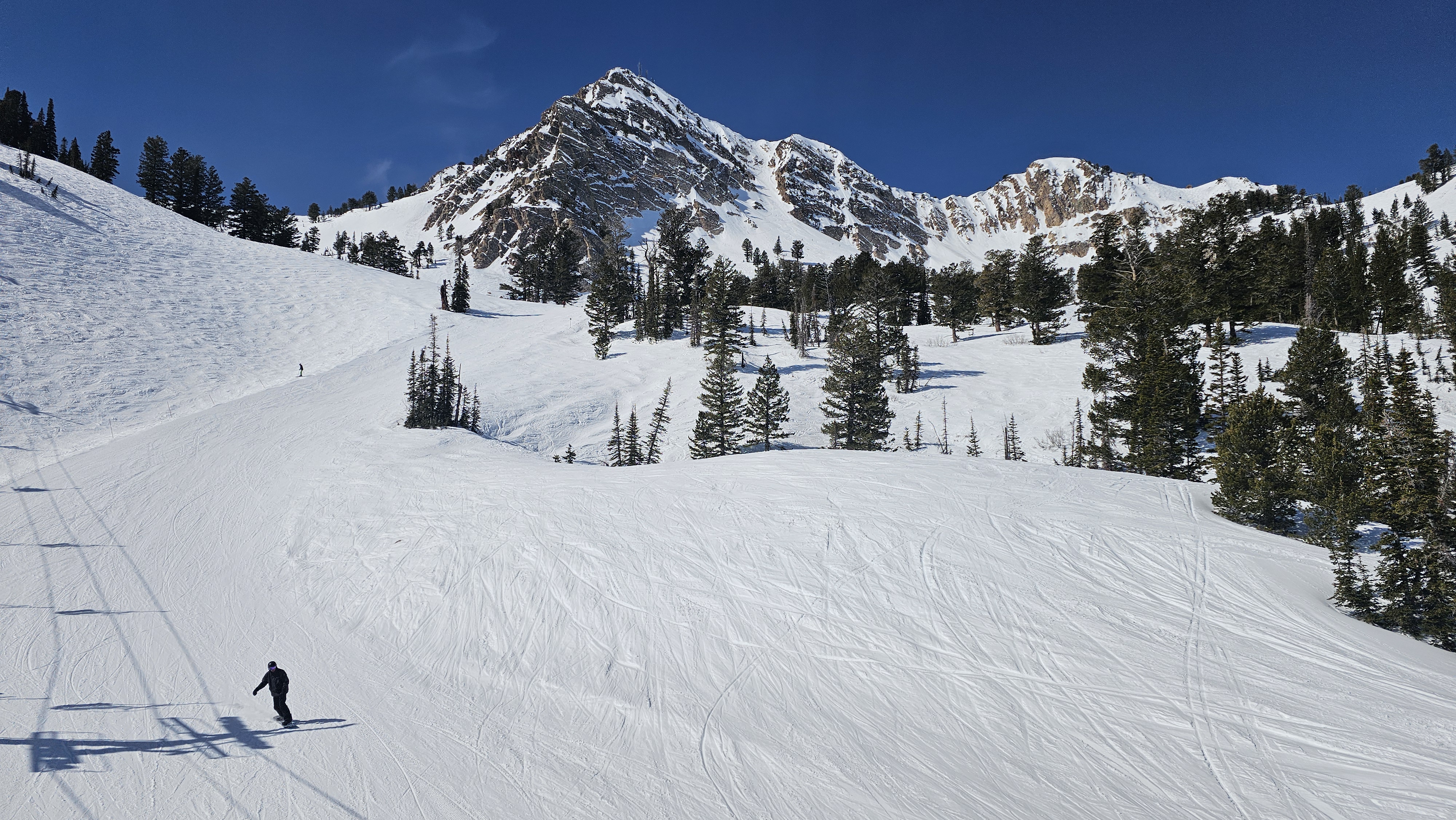
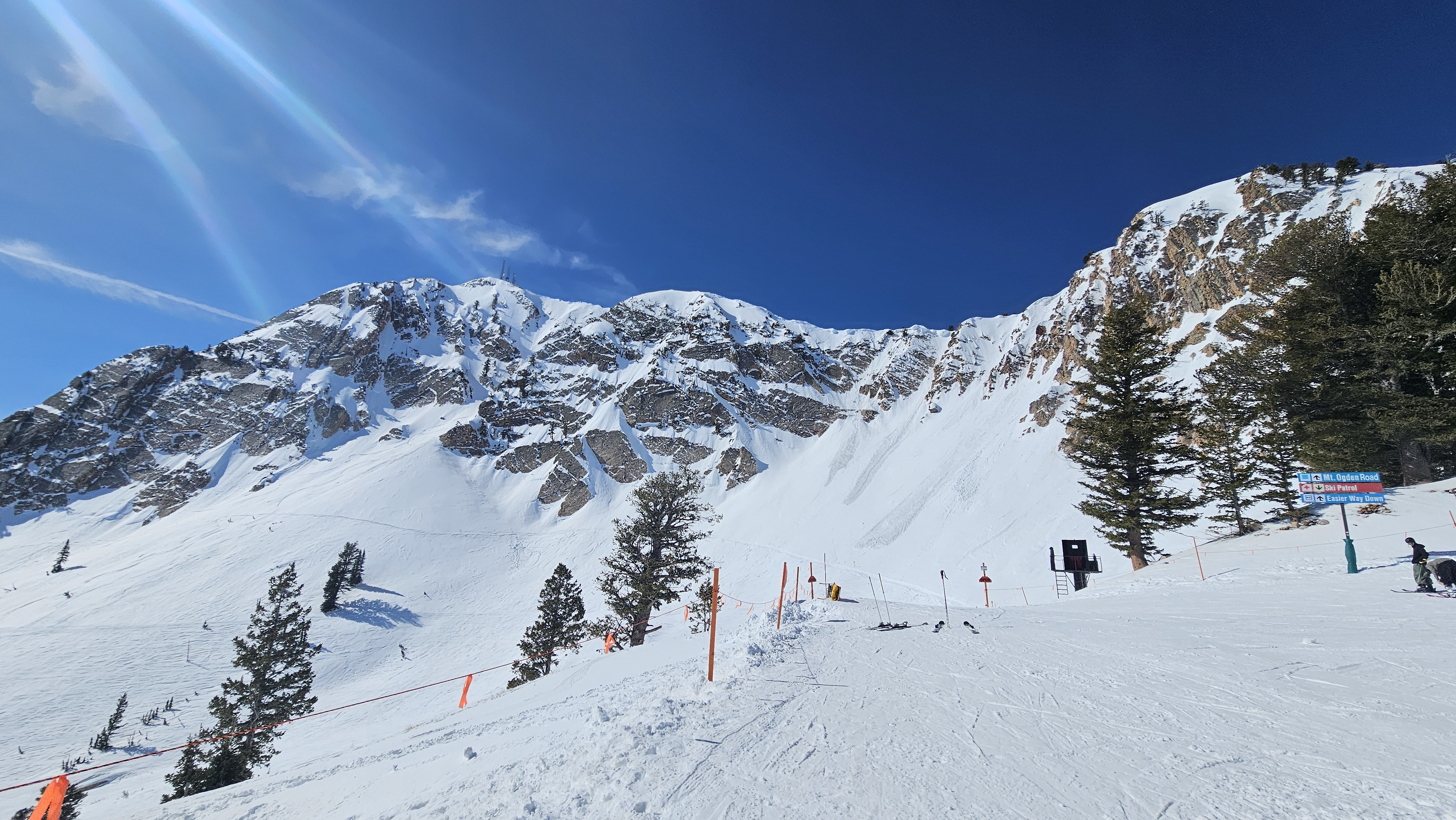
Snowbasin — Mt Ogden Run (Utah)
Best for: Long scenic groomers, sunrise and storm inversions
Difficulty: Intermediate
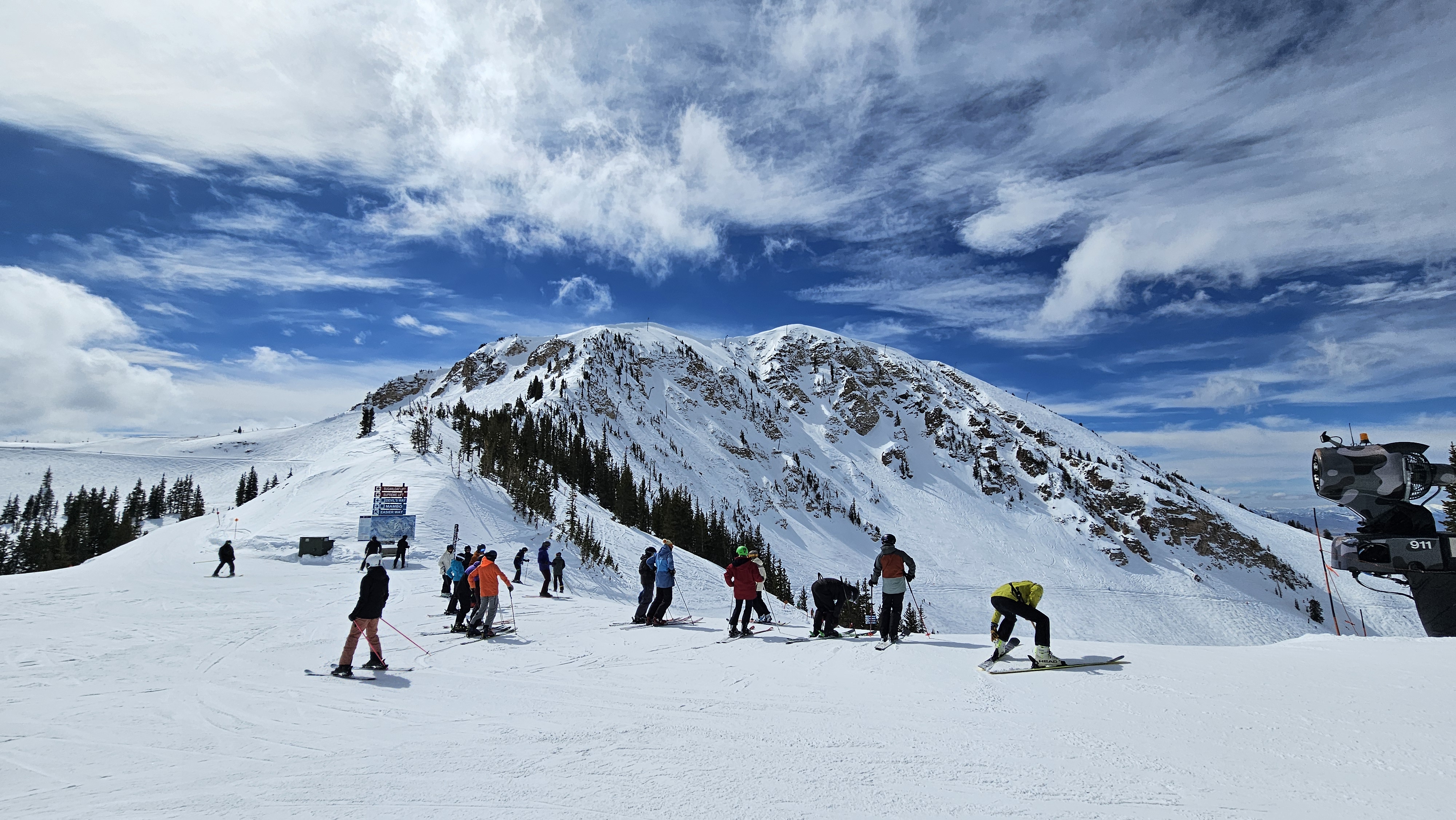
Step off the John Paul Chair and you’re immediately at the spot that feels made for filming. The Mt Ogden Run follows the spine with long, gentle turns and scenic views toward the Mt Odgen and Porky Face run.
- Use the gentle rollers to capture cruising turns with layers of rocks and snow on the left.
- For a better view, get to Allen Peak to capture 360 panoramic views of the entire area.
- Great lap to record follow-cam shots thanks to wide, predictable terrain.
Timing Matters: When Scenic Ski Runs Look Their Best
Scenic ski runs are highly dependent on timing. The same trail that feels breathtaking on one day can feel flat or disappointing on another, depending on weather, light, and seasonal conditions. Understanding when scenic runs actually deliver their best experience is essential to getting the most out of them.
Clear skies and visibility
Most high-alpine scenic runs require good visibility to fully appreciate their surroundings. Bluebird days with stable weather offer the most dramatic views, while flat light, low clouds, or active snowfall can obscure landmarks and reduce contrast. In poor visibility, tree-lined runs often provide a better experience than exposed alpine terrain.
Morning versus afternoon light
Light angle plays a major role in how landscapes appear on the mountain. East-facing slopes tend to look best in the morning, when shadows add definition and depth. West-facing runs often shine later in the day as the sun drops and highlights ridgelines, glaciers, and distant peaks. Planning scenic runs around the sun’s position can dramatically improve the visual experience.
Seasonal differences
Early season scenic runs may lack coverage on lower elevations, while mid-winter often provides the most consistent snow and contrast between terrain and sky. In spring, longer daylight hours and softer snow can enhance scenic skiing, but lower slopes may deteriorate quickly as temperatures rise. High-elevation runs generally remain scenic later into the season than lower alpine trails.
Wind and exposure
Many scenic runs are located on ridgelines or open faces that are more exposed to wind. Strong winds can reduce comfort and visibility, even on otherwise clear days. Checking wind forecasts before committing to exposed terrain can help avoid disappointing conditions.
Crowds and pacing
Timing also affects how crowded a scenic run feels. Mid-morning and early afternoon often bring heavier traffic on popular viewpoints, especially at well-known resorts. Skiing scenic runs earlier or later in the day allows for a more relaxed pace and makes it easier to stop, look around, and appreciate the surroundings.
In practice, the best scenic ski experiences come from treating these runs as highlights to plan around, rather than default options. Matching scenic terrain with the right conditions and time of day transforms a good view into a memorable experience.
Common Mistakes When Chasing Scenic Ski Runs
Skiers often approach scenic runs with high expectations, only to find the experience underwhelming or stressful due to a few common planning mistakes. Avoiding these pitfalls can significantly improve both enjoyment and safety.
Prioritizing views over conditions
One of the most frequent mistakes is chasing scenic terrain regardless of weather or snow quality. High-alpine runs that look spectacular on clear days can feel flat, icy, or disorienting in poor visibility. When conditions are marginal, choosing sheltered or lower-elevation terrain often leads to a better overall experience.
Underestimating exposure and difficulty
Many scenic runs are open, exposed, and more committing than they appear in photos. Steep pitches, variable snow, and long traverses can make these runs challenging for skiers who are not comfortable with sustained terrain. Evaluating ability honestly is essential before committing to exposed scenic routes.
Ignoring wind and temperature
Wind can dramatically affect comfort and visibility on scenic ridgelines and bowls. Even on sunny days, strong winds can make stopping to enjoy views unpleasant or unsafe. Checking wind forecasts and choosing timing accordingly helps avoid rushed or uncomfortable descents.
Skiing scenic runs at peak crowd times
Popular scenic trails often attract heavy traffic, especially during mid-day hours. Crowds can disrupt flow, limit stopping opportunities, and reduce the sense of immersion. Skiing these runs early in the morning or later in the afternoon typically results in a more relaxed and visually rewarding experience.
Assuming scenic runs are beginner-friendly
While some scenic trails are accessible, many require confident edge control and comfort with exposure. Beginners may enjoy scenic viewpoints from lifts or designated overlooks rather than committing to advanced terrain. Matching expectations to ability level helps prevent frustration and unnecessary risk.
Understanding these common mistakes allows skiers to approach scenic runs with realistic expectations and better judgment, turning visually impressive terrain into genuinely enjoyable ski experiences.
Scenic Ski Run Planning Table
Use this quick planning table when deciding whether to prioritize scenic terrain or save it for better conditions.
| Planning Factor | Best Scenario | When to Reconsider |
|---|---|---|
| Visibility | Clear skies, good contrast, and visible landmarks. | Flat light, fog, low clouds, or whiteout conditions. |
| Light | Morning or late-afternoon sun that adds depth to ridgelines and bowls. | Harsh mid-day glare or shaded terrain with little contrast. |
| Snow surface | Supportive groomers, chalky snow, or soft powder that lets you ski comfortably. | Ice, wind crust, heavy chop, or conditions above your ability level. |
| Crowds | Enough room to stop safely, take photos, and enjoy the view. | Busy trails where stopping creates risk or breaks the flow of skiing. |
| Ability match | The run fits your skill level and lets you ski in control. | The view requires terrain that is too steep, exposed, or technical for the day. |
Final Takeaway: Scenic vs Enjoyable Skiing
Scenic ski runs can be some of the most memorable experiences on the mountain, but they are not automatically the most enjoyable runs of the day. The difference often comes down to conditions, timing, and realistic expectations rather than the reputation of a trail.
The most rewarding scenic runs combine strong visual impact with terrain that allows skiers to relax, flow, and appreciate their surroundings. When visibility is good, snow quality is supportive, and crowds are manageable, scenic terrain can elevate a ski day from enjoyable to unforgettable. When those elements are missing, even famous viewpoints can feel rushed or underwhelming.
Approaching scenic skiing with flexibility is key. Treat these runs as highlights to plan around rather than fixed goals to chase at any cost. Choosing sheltered terrain on storm days, adjusting timing to light and crowds, and matching difficulty to ability level consistently leads to a better experience.
Ultimately, the best scenic ski runs are the ones that enhance your overall day on the mountain—not the ones that look most impressive on a map or in photos. By combining realistic planning with an appreciation for conditions, skiers can enjoy both great views and great skiing in equal measure.

About the Author
Andy Newman is the founder of Next Outdoor Adventures and has more than 10 years of firsthand skiing experience at major resorts across North America and Europe, including Jackson Hole, Sun Valley, Vail, Chamonix, and Dolomiti Superski.
Andy began skiing in his 40s and progressed from a complete beginner to skiing advanced and double-black-diamond terrain by his late 40s. His ski photography and video guides are based on actual resort visits, real mountain conditions, and firsthand experience filming scenic terrain on the slopes.
His ski guides are based on actual resort visits and personal skiing experience—not generic destination descriptions or theoretical trail-map analysis.
FAQ: Scenic Ski Runs in North America
What makes a ski run scenic?
A scenic ski run combines strong landscape views, enough duration to enjoy the scenery, skiable terrain, good light, and room to stop safely without interrupting other skiers.
Are the most scenic ski runs always advanced?
No. Some scenic runs are intermediate groomers, while others are advanced bowls or ridgelines. The best choice depends on ability level, visibility, snow surface, and comfort with exposure.
When is the best time to photograph scenic ski runs?
Morning and late afternoon usually provide better light and contrast than harsh mid-day glare. Clear visibility matters most for high-alpine bowls, ridgelines, and long mountain views.
Should beginners chase scenic ski runs?
Beginners should prioritize safe, appropriate terrain first. Scenic viewpoints from lifts, base areas, or easier groomers may be better than committing to advanced terrain only for the view.
Which resorts in this guide are best for scenic ski photography?
Jackson Hole, Sun Valley, Copper Mountain, Lake Louise, Mt Norquay, Alta, and Snowbasin all offer strong scenic-photo potential, but each depends on weather, light, crowd levels, and the skier’s ability.
Tips for Photographing Scenic Ski Runs
- Chase the light: First and last chair usually deliver the best contrast and color.
- Look back: Many of the best shots appear when you stop and look uphill or back down the valley.
- Keep it safe: Always stay in control, respect closures, and follow local drone rules.
- Tell a story: Mix wide landscape shots with close-ups of skis, chairs, and faces for a full narrative.
We’ve filmed at several of these resorts and will keep adding more visual guides on the Next Outdoor Adventures YouTube channel. If you have a favorite scenic run we missed, share it in the comments or tag us on social media so we can feature it in a future guide.