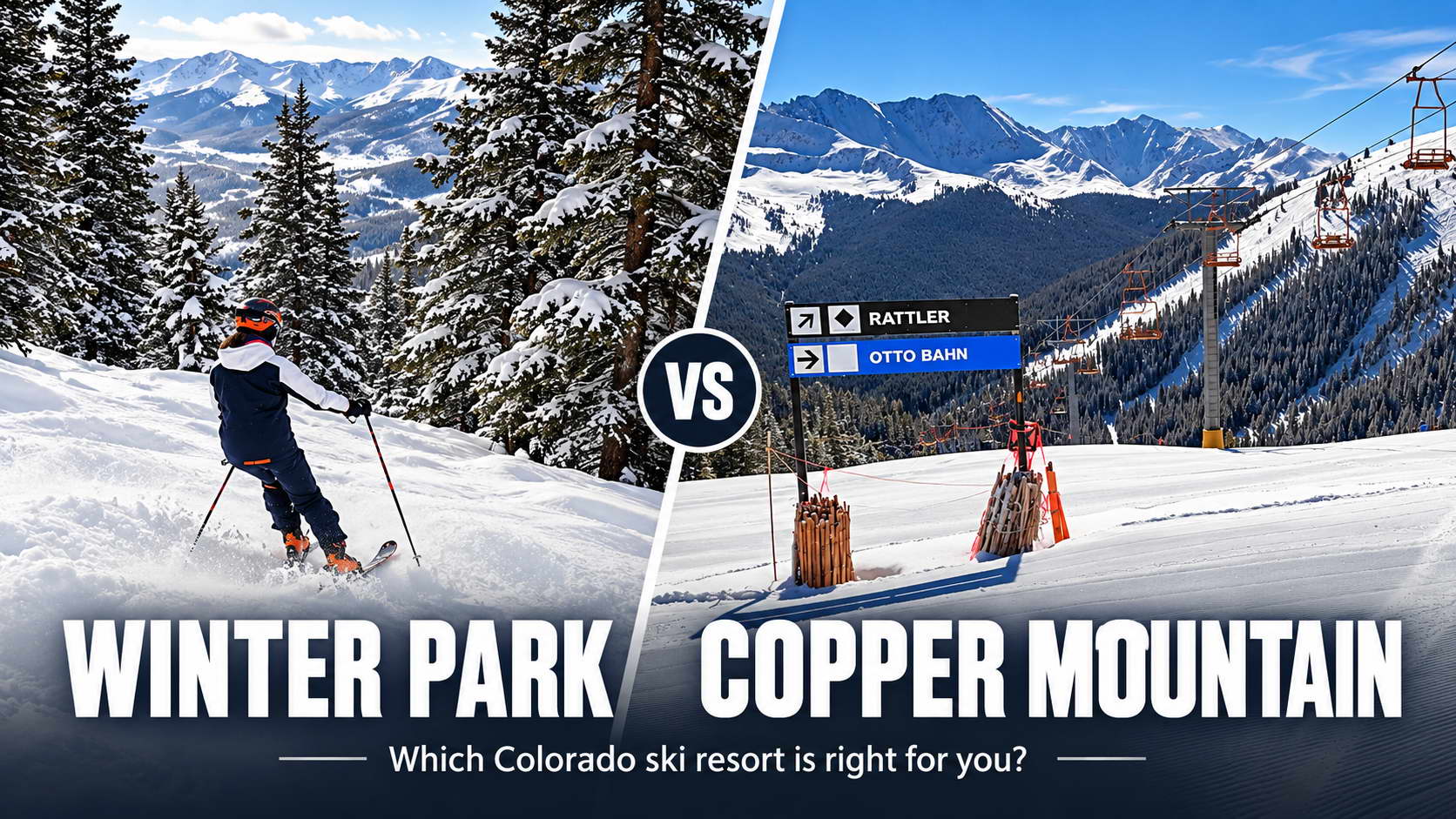
A firsthand comparison of the terrain, travel, lodging, and dining that shape a Colorado ski trip.
Winter Park and Copper Mountain share several advantages: access from Denver, a broad range of terrain, and a place on many Colorado ski itineraries, especially those planned around the Ikon Pass. On snow, however, the experience is quite different. Copper impressed me most with its wide groomers and unusually intuitive mountain layout. Winter Park stood out for its deep powder, moguls, trees, and steep natural terrain.
I skied both resorts in consistently cold weather with excellent powder conditions. Those visits gave me a useful firsthand basis for comparing how the mountains ski, how easy it is to navigate the terrain, and what it takes to ski the most popular areas and trails. My experience also reinforced a distinction that matters when planning a trip: the resort with the most appealing terrain on paper is not always the one that best suits the way you like to ski.
Winter Park vs. Copper Mountain: Quick Comparison
| What matters to you | Winter Park | Copper Mountain |
|---|---|---|
| Groomed cruising | Mostly ungroomed natural terrain with a selection of groomers | Mostly wide groomers and long cruising runs with a selection of natural terrain |
| Mountain layout | Mixed terrain. Requires attention to signs and maps | Naturally divided terrain made navigation feel intuitive |
| Moguls, trees and powder | Best match | Moderate match |
| Expert terrain | Mary Jane and The Cirque were major highlights; The Cirque offers in-bounds extreme terrain with a backcountry-like character | Steeps, bowls, glades and Tucker Mountain offer varied in-bounds terrain |
| Drive from Denver | The drive over Berthoud Pass felt demanding during snowfall | Avoids Berthoud Pass; follows I-70 through the Eisenhower–Johnson tunnels. Weather and congestion still matter. |
| Car-free access | Seasonal Winter Park Express from Denver Union Station | Requires a car, shuttle, or connecting ground transportation |
| Lodging and dining | Small base village, plus the town of Winter Park (offsite) and Fraser | Several resort base areas, plus nearby Frisco |
| Crowds | Busy weekends and holidays are possible | Weekend traffic is common; parking demand and lift queues can be substantial |
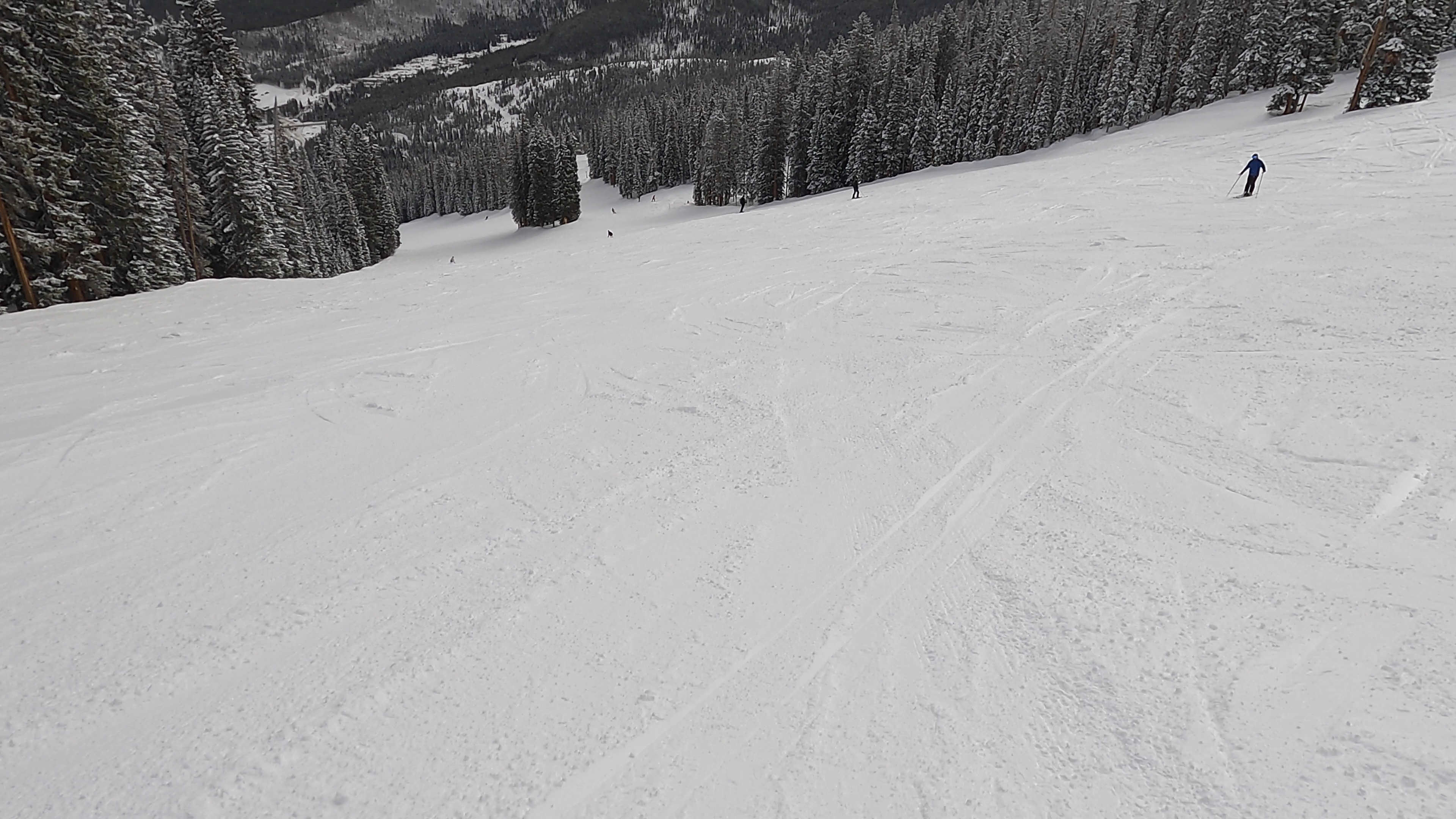
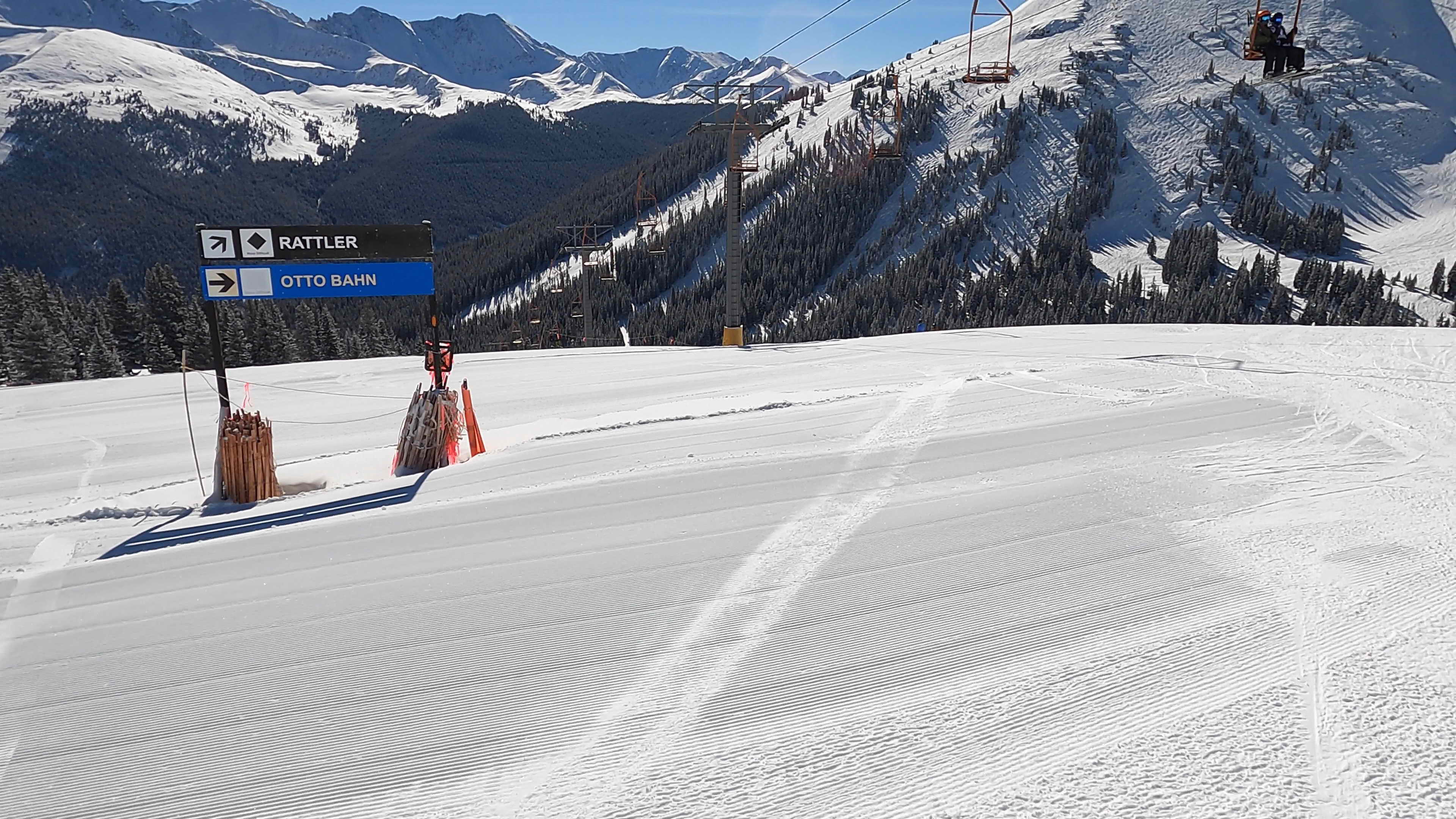
This comparison is based on firsthand experiences, from a straightforward Monday drive to Copper to a tense descent over Berthoud Pass on the way to Winter Park. My preference depends on the purpose of the trip. For long groomed runs and easy navigation, I would choose Copper. For days spent exploring powder, bumps, trees, and demanding alpine terrain, I would choose Winter Park.
Mountain Facts at a Glance: Terrain, Trails and Snowfall
These resort-published figures provide context for the firsthand skiing comparisons below. Acreage and trail counts describe the overall resort, not the terrain open on a particular day.
| Mountain statistic | Winter Park | Copper Mountain |
|---|---|---|
| Skiable terrain | 3,081 acres | 2,538 acres |
| Trails | 171 in the resort's stats* | 157 marked trails |
| Published vertical | 3,060 feet | 2,738 feet |
| Base elevation | 9,000 feet | 9,712 feet |
| Summit elevation | 12,060 feet | 12,441 feet |
| Published average annual snowfall | 344.6 inches | 299 inches |
| Terrain breakdown (each resort's own categories) | 8% beginner 18% intermediate 19% advanced 52% most difficult 3% expert only | 24% beginner 26% intermediate 32% advanced 10% expert 8% extreme |
Stats is checked on October 17, 2026. Sources: Winter Park mountain statistics and Copper Mountain winter statistics.
Why Compare Winter Park and Copper Mountain?
For skiers considering a trip from Denver, these resorts are natural alternatives. Both are within reach for a weekend or a longer vacation, and both appeal to travelers using the Ikon Pass. Lift access depends on your Ikon Pass product and the season, so check the terms of your pass before making reservations.
Proximity of these ski resorts to Denver also brings a shared drawback: heavy demand on weekends and holidays. Copper can be particularly busy when skiers from the metropolitan area arrive for the day. Winter Park attracts substantial traffic of its own, however, I would not choose it on the assumption that it will be quiet.
Crowds deserve consideration, but they are only part of the decision-making process. The the terrain, the ease of navigation around the mountain, and the location of your lodging will shape every day of the trip. The drive matters, too. Similar distances from the airport may reveal quite different winter driving experiences.
Getting There: Driving, Parking, and Train Access
Both resorts are roughly 90–100 miles from Denver International Airport, depending on the destination and route. In favorable conditions, the drive can take around two hours. Snowstorms and weekend congestion can extend it considerably, so I would treat a clear-weather estimate as a starting point rather than a dependable arrival time.
Driving to Copper Mountain
Copper Mountain lies about 100 miles west of Denver International Airport, with most of the drive following Interstate 70. The route avoids Berthoud Pass, which makes it the more straightforward option in my experience. It still requires a mountain highway drive, with the possibility of snow, ice, poor visibility, and long traffic delays - which is typical for many ski resorts in CO.
I drove to Copper on a Monday and encountered little difficulty beyond manageable traffic. Traveling outside the weekend traffic helped: the drive was uneventful, and I arrived without the delays and challenges that I encountered on the drive to Winter Park.
That experience should not be read as a promise of an easy drive in every forecast. I-70 conditions can change quickly. Copper's advantage is the route itself, rather than an exemption from Colorado's winter weather.
Driving to Winter Park via Berthoud Pass
Winter Park is approximately 90 miles from Denver International Airport, slightly closer than Copper by road. The defining feature of the usual route is Berthoud Pass, which rises to about 11,300 feet before descending toward the resort.
Its steep grades and switchbacks demand attention even when the road is clear. Add accumulating snow, ice, or poor visibility, and the drive becomes considerably more demanding. The highway is maintained through winter, but storms and avalanche hazards can cause temporary closures.
I reached the pass as snow began to fall. The ascent was relatively comfortable; the descent toward Winter Park was not. Snow accumulated on the pavement, visibility deteriorated, and the bends required slow, deliberate driving. I concentrated on controlling my speed and leaving ample space between my vehicle and the one ahead.
For travelers uneasy about steep, snow-covered roads, this is a meaningful difference between the resorts. Based on that driving experience, I would favor Copper for the drive, while recognizing that the conditions may ultimately determine how either route feels.
Parking and Weekend Arrivals
Both resorts have substantial parking facilities, but neither rewards a casual approach to arrival time on a busy weekend. At Copper, traffic approaching the resort as early as 7 AM and demand for parking can add to an already slow journey from Denver. Winter Park also draws enough visitors to make an early start worthwhile.
I would plan to arrive comfortably ahead of the morning rush or weekends and would avoid visits on holidays or after fresh snowfall. Note that reaching the resort is only one part of the morning: parking, unloading equipment, and getting to the lifts all take time - all things combined is a major factor for single day trip
Winter Park's Train Connection
The Winter Park Express gives Winter Park a distinctive advantage for visitors who want to avoid driving. The seasonal train connects Denver Union Station with the resort, removing Berthoud Pass and resort parking from that part of the journey.
For a visitor unfamiliar with winter mountain roads, that can materially change the appeal of the trip. It offers a way to reach the ski area without taking on the most demanding stretch of the drive yourself.
The train does require advance planning. Check the operating dates, departure times, and ticket availability, and consider how you will travel between the airport, Union Station, and your lodging location. When the schedule fits, Winter Park has the stronger case for a trip built around tain access.
Routes from Denver International Airport
Explore the driving route to each resort below, or open directions in Google Maps to adjust your journey and view current travel estimates.
Denver International Airport to Winter Park Resort
Denver International Airport to Copper Mountain Resort
The Skiing: Two Mountains with Different Characters
Both resorts accommodate skiers of different abilities. The key differences are how the terrain is laid out and the type of skiing each resort does best. Copper's layout made it easy to move between long runs and explore advanced terrain confidently. Winter Park offered more varied skiing, with frequent transitions between groomed runs, moguls, trees, and fresh powder.
Copper Mountain: Groomers and an Intuitive Layout
Copper has one of the most effective mountain layouts I have encountered in North America or Europe. Its naturally divided terrain groups runs of similar difficulty, helping skiers find an area that suits their ability and remain there without repeatedly encountering unexpected changes in trail difficulty.
That organization makes a practical difference. In cold weather or strong winds, I appreciate being able to choose an area of the mountain and spend more time skiing, with fewer stops to study the map. Intermediate skiers who enjoy exploring but want to avoid steep moguls or narrow chutes are likely to value the same clarity.
It does not eliminate the need to read signs or check a route. It does, however, make the mountain easier to understand. Compared with my experience at Winter Park, I spent less time questioning whether a connector would take me where I intended to go.
Copper's groomed terrain was another highlight. Wide trails offered room for long turns, while sustained descents that allowed me to find a rhythm without frequent interruptions at intersections or transitions between mountain areas. The Rocky Mountain views added to the pleasure, but the skiing itself was the main attraction.
For someone who enjoys carving on well-prepared snow, this combination is persuasive: comfy trail width, satisfying descents, and a layout that makes repeated cruising runs easy to organize. It is the strongest reason I would return to Copper for a trip focused on groomed skiing.
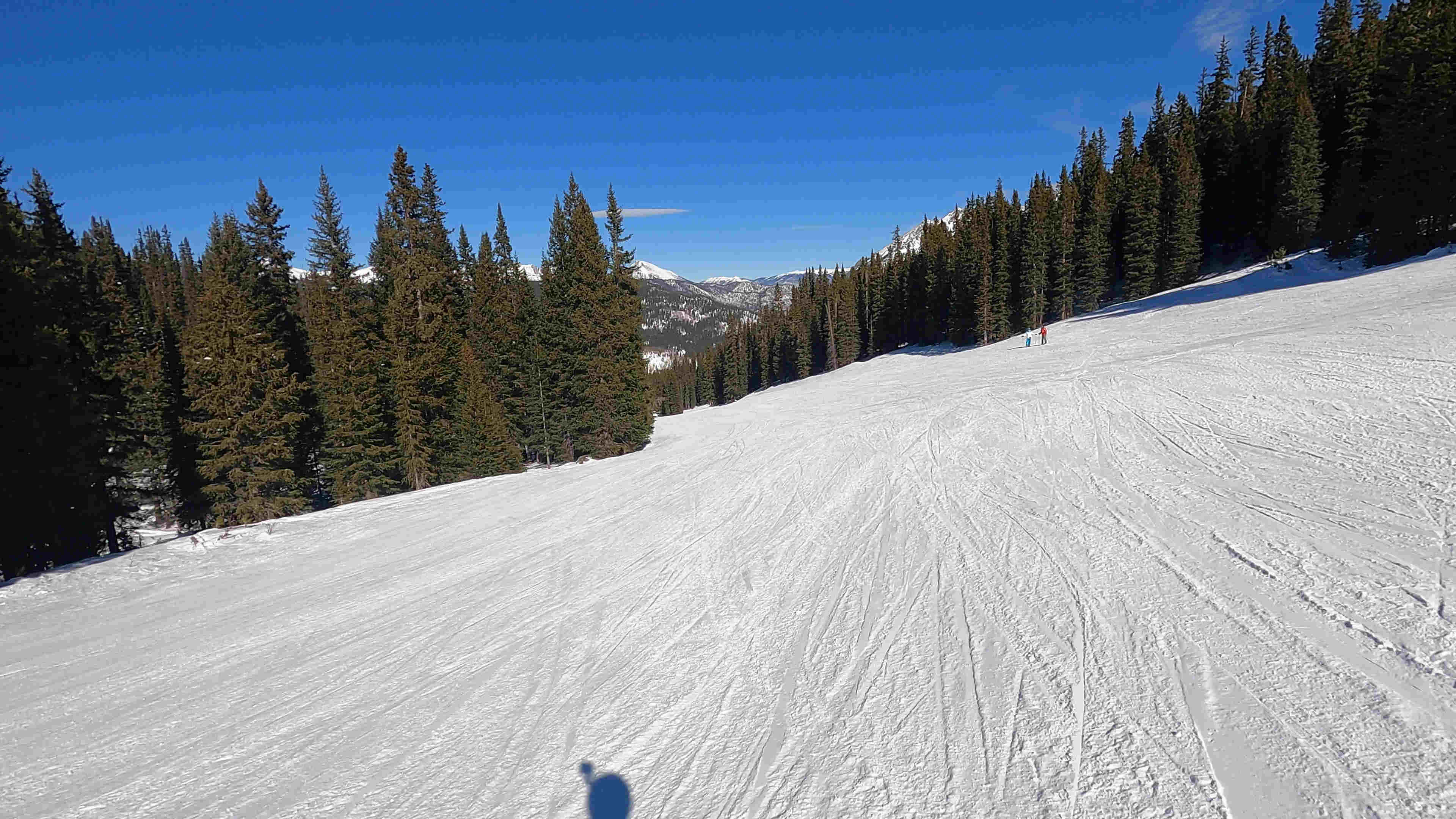
Advanced and Expert Terrain at Copper
Copper's appeal extends well beyond its intermediate groomers. Its upper mountain, bowls, and more technical areas provide a substantial change of pace for skiers seeking steeper pitches and ungroomed snow.
Triple Zero ski trail stood out for its steepness, while Double Zero offered demanding mogul skiing. Terrain around Tucker Mountain and Fremont Glades adds further variety, with opportunities to explore steeps, trees, and natural snow away from the cruising runs.
These areas give experienced skiers plenty to work through over several days. They also make Copper a useful choice for groups whose preferences differ: a day can include both groomed runs and more demanding terrain without making either feel incidental to the trip.
What impressed me was the balance. Copper combines wide, well-groomed runs with challenging steeps, bowls, and glades.
Winter Park: Moguls, Trees, and Natural Snow
Winter Park's identity felt different from the beginning. Winter Park has groomed runs, but its powder, tree skiing, moguls, and steep natural terrain were the highlights of my visit.
During my visit, the resort felt especially rewarding when I left the groomers and explored its natural terrain. Opportunities to move between prepared trails and ungroomed sections gave the day a more spontaneous rhythm. For skiers who enjoy choosing a line through trees or working through bumps, that variety becomes a major attraction.
My preference for Copper's groomers does not mean Winter Park lacks good cruising. It reflects where I found each resort most compelling. At Copper, I wanted to repeat long, smooth descents. At Winter Park, I preferred exploring the trees, moguls, and ungroomed terrain.
If natural snow and varied terrain are the focus of your trip, Winter Park deserves serious consideration. Winter Park’s strength is its variety of terrain, particularly its trees, moguls, and ungroomed slopes.
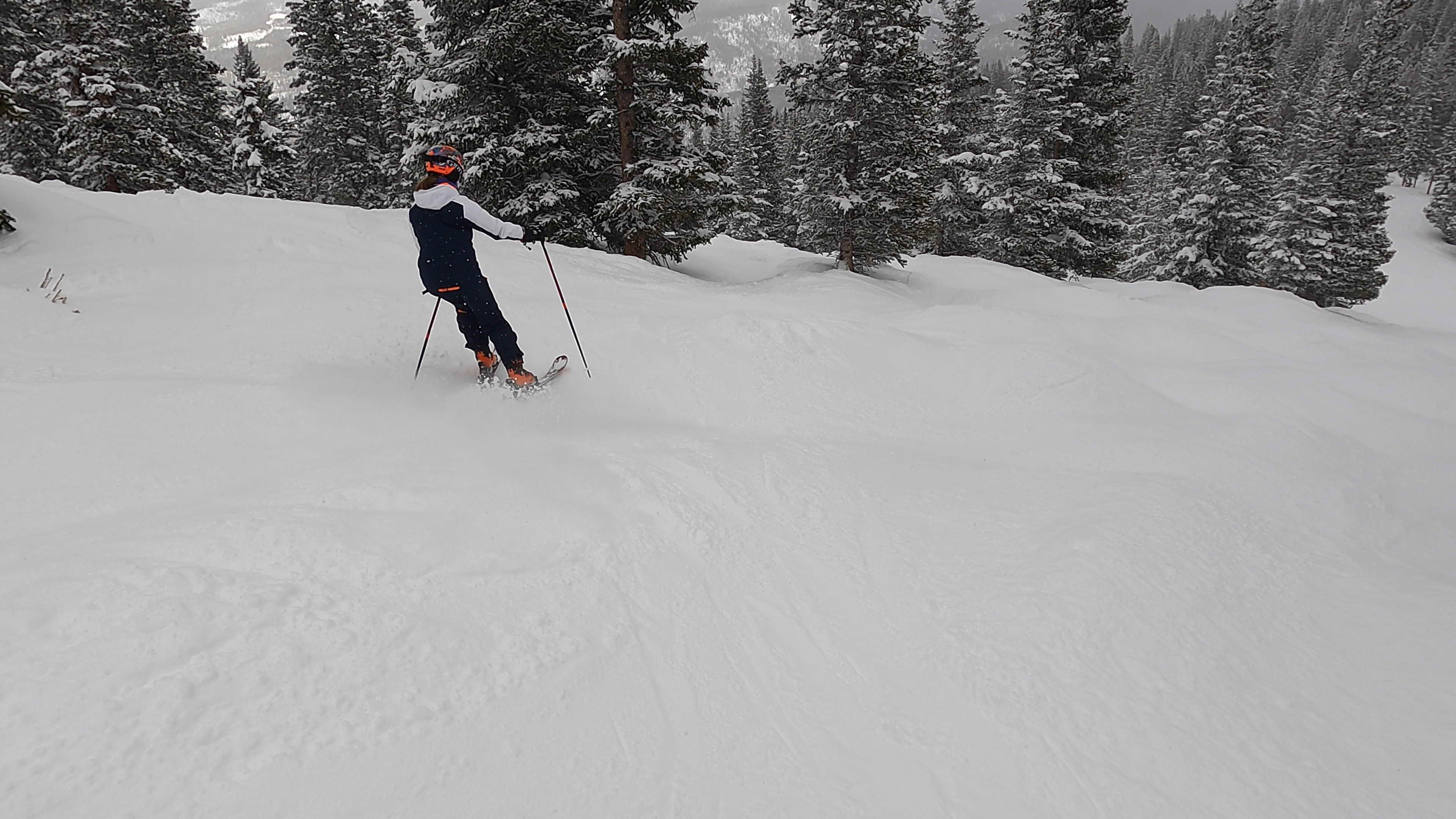
Finding Your Way Around the Mary Jane Area
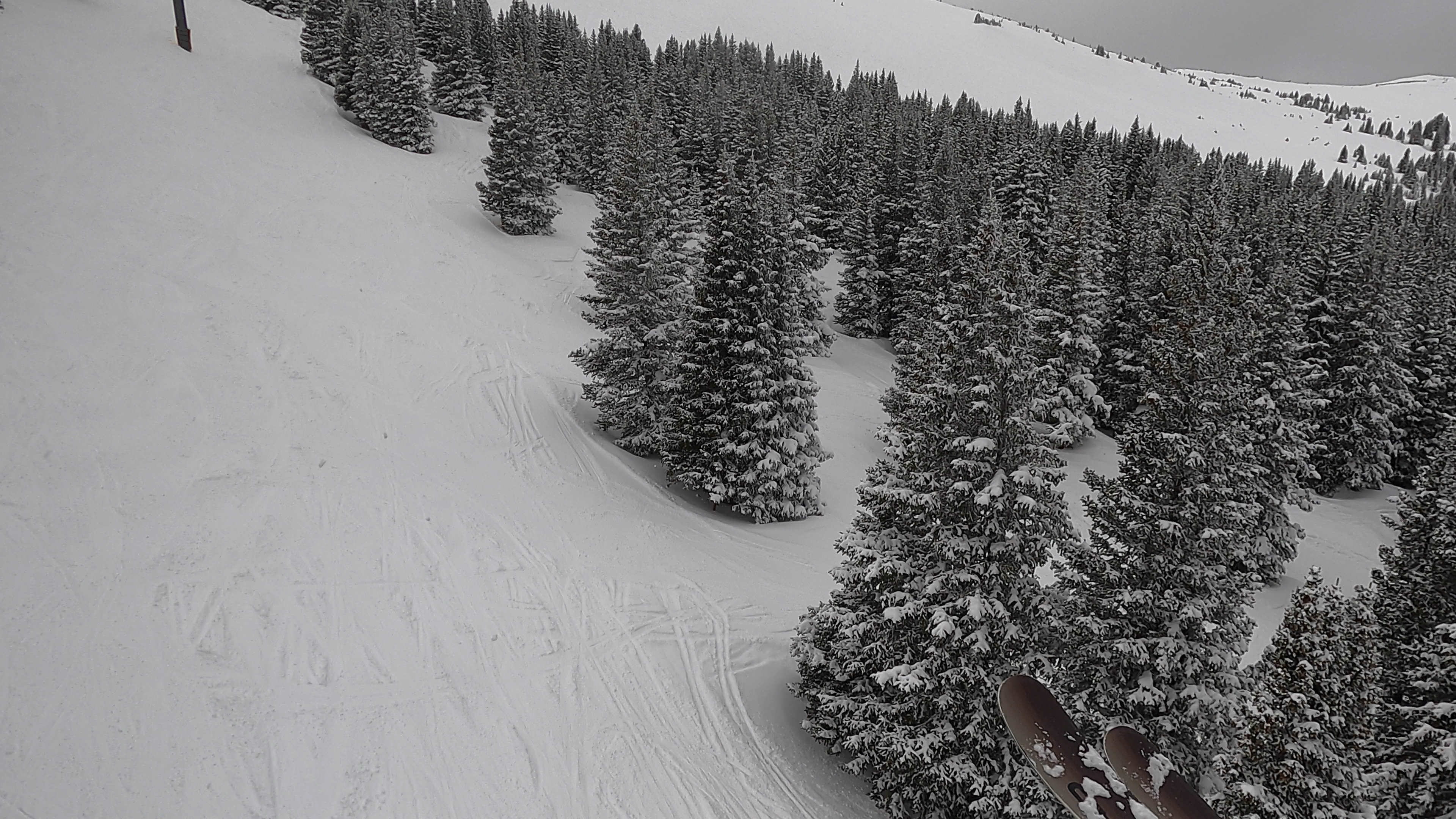
The more exploratory character came with a drawback: I found parts of the Mary Jane area harder to navigate than Copper. At some junctions, signs seemed to indicate a run's general direction without making the specific ski trail obvious.
While crossing between trails or looking for connectors, I occasionally lost track of the route I intended to follow. Several times, I ended up on a different trail from the one I had planned to ski.
An experienced skier comfortable with unfamiliar terrain may find that manageable. For someone trying to avoid moguls or a steeper descent, the uncertainty can be less welcome. The downside is losing time on an unplanned lift ride instead of reaching your intended destination. The upside is discovering terrain you might otherwise have missed. Whether that feels rewarding or frustrating depends on how you like to ski. As I naturally like planning everything ahead - my experience made me appreciate Copper's terrain organization more than WP's.
At Winter Park, I would spend more time reviewing the trail map before moving between unfamiliar areas, especially when skiing with a group whose members have different abilities.
Flat Sections Near Pioneer Express
Some trails around Pioneer Express also had longer flat sections than I expected. Depending on the snow and the speed carried into them, they required considerable poling to keep moving.
These stretches interrupted the rhythm of an otherwise downhill run. They were a modest frustration rather than a reason to dismiss the area, but they are useful to anticipate if you prefer sustained descents.
Route choice makes a difference here. After becoming familiar with the area, I would plan my runs more deliberately to reduce time spent on flat connectors.
The Cirque: Winter Park's Standout Expert Experience
The Cirque was among the most memorable parts of Winter Park. Its steep chutes, cornices, rocks, and cliffs create a rugged alpine setting quite unlike the resort's groomed trails.
This is serious expert terrain. Choosing a descent requires attention to the line, the snow, and the natural features below. The sense of exposure and the scale of the landscape are central to the experience, as is the need to ski with precision.
Although it has the feel of remote mountain terrain, The Cirque lies within the managed ski area. Resort avalanche mitigation and patrol operations distinguish it from terrain outside the boundary; they do not remove the hazards associated with steep slopes, cliffs, and changing snow conditions.
Reaching a drop-in point can involve traversing or hiking along the ridge. Winter Park has also offered a motorized Cirque Sled service to reduce the amount of hiking required, with availability dependent on conditions and operations. Check with the resort before building a day around that service.
The return journey is part of the commitment. After descending, you generally need to rejoin the lift network and work your way back toward the ridge. This is not terrain where every descent leads directly to a chair for a quick repeat of the same line.
Allowing time and energy for the approach makes the experience more rewarding. For experts drawn to steep natural terrain, The Cirque can justify a substantial part of a Winter Park trip.
Lodging and Dining: Planning a Longer Stay
For a day trip, terrain and logistics may take top priority. Over several nights, the location of your accommodation and the choice of places to eat may become more influential. At both resorts, the choice between staying at the ski area and staying in a nearby town affects every morning and evening.
Winter Park: The Base Village, Town, and Fraser
Winter Park's resort village provides onsite accommodation and convenient access to a few restaurants and cafes. Staying there keeps you close to the lifts and gondola, which is important if you want to minimize your daily commute.
The wider lodging market extends into the town of Winter Park and nearby Fraser, where hotels, lodges, condos, and vacation rentals offer more choice. Those locations are not interchangeable with a stay at the base. Depending on the property, reaching the resort may require a shuttle or a drive followed by parking.
I would check the exact location before booking, particularly if walking to the lifts is a priority. A property described as being in Winter Park may be in town and require daily transportation to the resort.
Dining follows a similar pattern. The base village is convenient, but its selection is more limited than the combined options in town and Fraser. For a short stay, eating close to the lifts may be all you need. On a longer trip, the wider choice beyond the village becomes more appealing.
Your preference should guide the booking: immediate access to ski lifts, or a broader range of places to dine and spend the evening. If you want both, look carefully at transport connections before choosing a property.
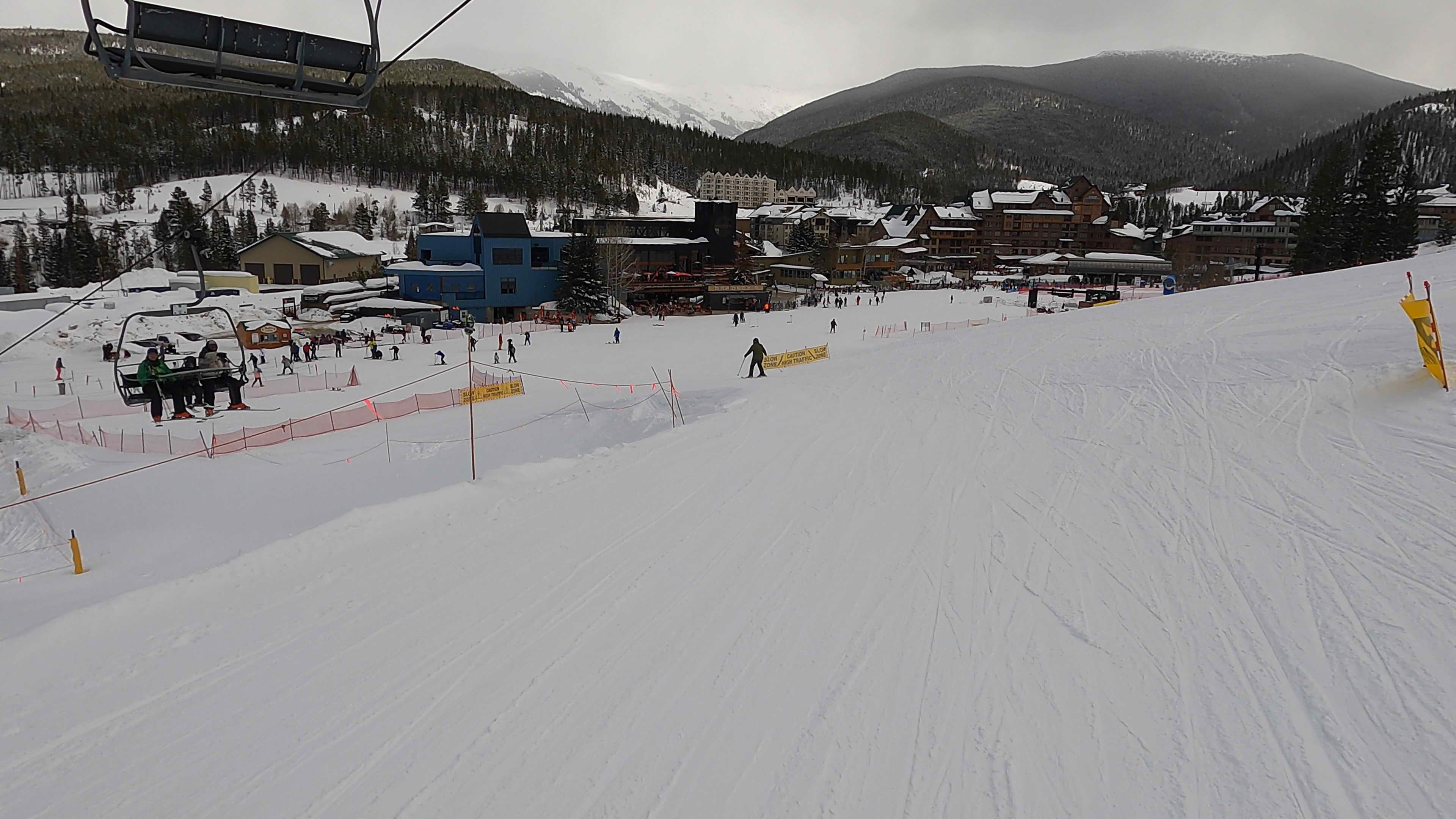
Copper Mountain: Resort Villages and Nearby Frisco
Copper's lodging is distributed across several base areas, giving visitors a range of condos and other loding options close to the lifts. Choosing the right location can make the daily routine simple: leave your place, walk to the lift, and return without a drive.
That convenience is a strong argument for staying at the resort, especially on a trip centered on skiing. It is still worth checking which base area best suits your group and the terrain you expect to ski most often.
The resort has a few restaurants and cafes, although the range of dining and evening entertainment options is more limited than in a larger mountain town. For more choice, Frisco is approximately seven miles away.
Frisco adds hotels, vacation rentals, restaurants, cafes, and shops to the options available for a Copper trip. It can work as an alternative base or as a place to visit for dinner during a longer stay.
The practical cost is extra travel and parking. Staying in Frisco means arranging a drive or using available bus services to reach the slopes; Visiting Frisco for dinner means leaving Copper’s resort village and returning after dark, when snow or ice can make the drive more challenging. Check bus schedules if you intend to use public transport, or parking arrangements if you plan to drive.
Frisco's proximity is a useful advantage, although staying there does not offer the same convenience as onsite lodging. It broadens the trip's possibilities, while logding at Copper keeps the ski day easier to manage.
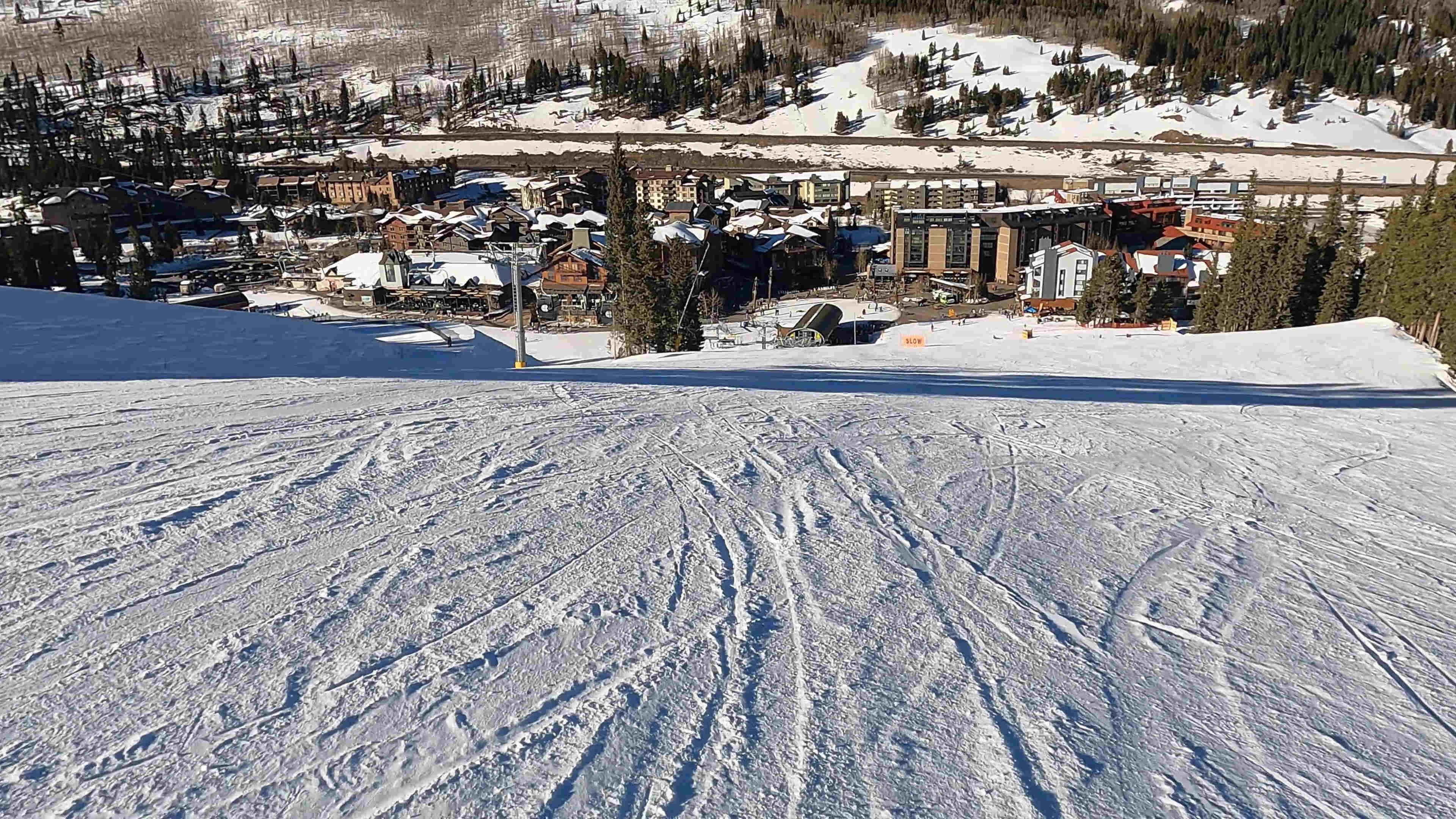
The Verdict: Copper Mountain or Winter Park?
My choice rests primarily on my skiing preferences. Both resorts offer variety of advantages, but they left me with different reasons to return. Travel preferences and accommodation can also influence a decision, particularly for visitors who want to avoid driving or stay within walking distance of a lift.
Choose Copper for Groomers and Easy Navigation
Copper would be my first choice for a trip built around long, groomed runs. Its wide trails and naturally divided terrain made the mountain easy to understand and enjoyable to explore.
That clarity is especially appealing for intermediates who want variety without repeatedly wondering whether a trail will lead to difficult bumps or a steep pitch. Advanced skiers still have bowls, glades, moguls, and Tucker Mountain can provide challenging skiing for a few days of your trip.
Accommodation near the lifts and access to Frisco strengthen Copper's case for a longer stay. The main drawback is crowding: weekend traffic, parking demand, and lift queues can erode some of the convenience.
Even with that consideration, Copper Mountain is still my recommendation for skiers who put groomers, an intuitive layout, and a straightforward daily experience at the center of their trip.
Choose Winter Park for Moguls, Trees, and Steep Natural Terrain
Winter Park would be my choice for a trip focused on ungroomed skiing or freeriding. The Mary Jane area's bumps and trees, together with the more committing terrain of The Cirque, gave the resort a character I found especially appealing in good snow.
There is considerable scope to explore, but moving between unfamiliar areas requires careful route planning. Skiers who want to stay on groomed trails should pay attention when moving into unfamiliar areas, particularly around Mary Jane peak.
The Winter Park Express train adds a separate reason to choose the resort. When its seasonal schedule suits your plans, train access can remove the need to drive over Berthoud Pass and make Winter Park more practical for a visitor traveling without a car.
Winter Park is my recommendation for skiers whose priorities are moguls, trees, powder, and challenging natural terrain, with train access as a valuable additional benefit.
What Would Bring Me Back
Copper's lasting impression was the ease of the skiing: finding the right terrain, linking satisfying groomed runs, and adding more demanding runs when I wanted a change of pace. Winter Park's lasting impression was the scope for exploration: from powder skiing, tree skiing and bumps to skiing on wide, scenic and some groomed trails like Mary Jane & Cranmer.
I would return to Copper for a week of groomed cruising with the option to push harder. I would return to Winter Park when fresh powder is plentiful. That is the distinction I would use to plan the trip—and the one I think will help most skiers choose between them.
Frequently Asked Questions
Is Winter Park or Copper Mountain better for intermediate skiers?
Copper Mountain is my preference for intermediates who enjoy wide groomers and a naturally divided mountain layout. Winter Park also has intermediate terrain, but some routes around Mary Jane required more navigation during my visit.
Which resort is better for moguls and tree skiing?
Winter Park is my recommendation for a trip centered on moguls, trees and natural terrain, particularly around Mary Jane. Copper Mountain also offers demanding moguls and glades.
Does Copper Mountain have expert terrain?
Yes. Copper offers steep runs, bowls, glades and challenging terrain around Tucker Mountain. Its appeal extends well beyond its groomed cruising runs.
Can you reach Winter Park from Denver without a car?
The seasonal Winter Park Express connects Denver Union Station with Winter Park Resort. Check the operator for current dates, departure times and ticket availability.
Is the drive to Copper Mountain easier than the drive to Winter Park?
I found the I-70 drive to Copper more straightforward than crossing Berthoud Pass to Winter Park during snowfall. Both routes can experience winter weather, congestion and closures; actual conditions matter more than mileage.
Is The Cirque at Winter Park backcountry terrain?
The Cirque is extreme terrain within the managed resort boundary, with a backcountry-like character. Access and opening depend on conditions and resort operations. It requires expert skills and careful route selection.
Which resort is less crowded on weekends?
Neither resort is a reliably uncrowded weekend choice. Both attract Denver-area skiers, and weather, holidays and arrival times affect traffic, parking and lift queues.
Compare Winter Park, Copper Mountain and other ski destinations. Use Slope360™ to compare terrain, vertical drop, pass access, travel details, lodging and amenities.
Explore Ski Resorts with Slope360™
About the Author
Andy Newman is the founder of Next Outdoor Adventures and has more than 10 years of skiing experience across North America and Europe. He began skiing in his 40s and progressed to advanced and double-black-diamond terrain by his late 40s.
His guides are based on firsthand visits, including skiing at both Winter Park and Copper Mountain. He helps readers choose ski areas and accommodation suited to their abilities, interests and travel plans.