Shenandoah Seasonal Hiking Guide
Best Time to Hike Shenandoah National Park from DC: Fall Foliage, Summer Heat, Crowds and Trail Picks
The best time to hike Shenandoah National Park is usually late April through May, early June if it is not hot, and the second half of September through November.
As a DC-area local who has spent years exploring Shenandoah, Northern Virginia, Maryland and the broader DMV trail network, I think timing matters almost as much as the trail you choose. The same Shenandoah hike can feel beautiful in May, unforgettable in October, and completely draining on a hot, humid summer afternoon.
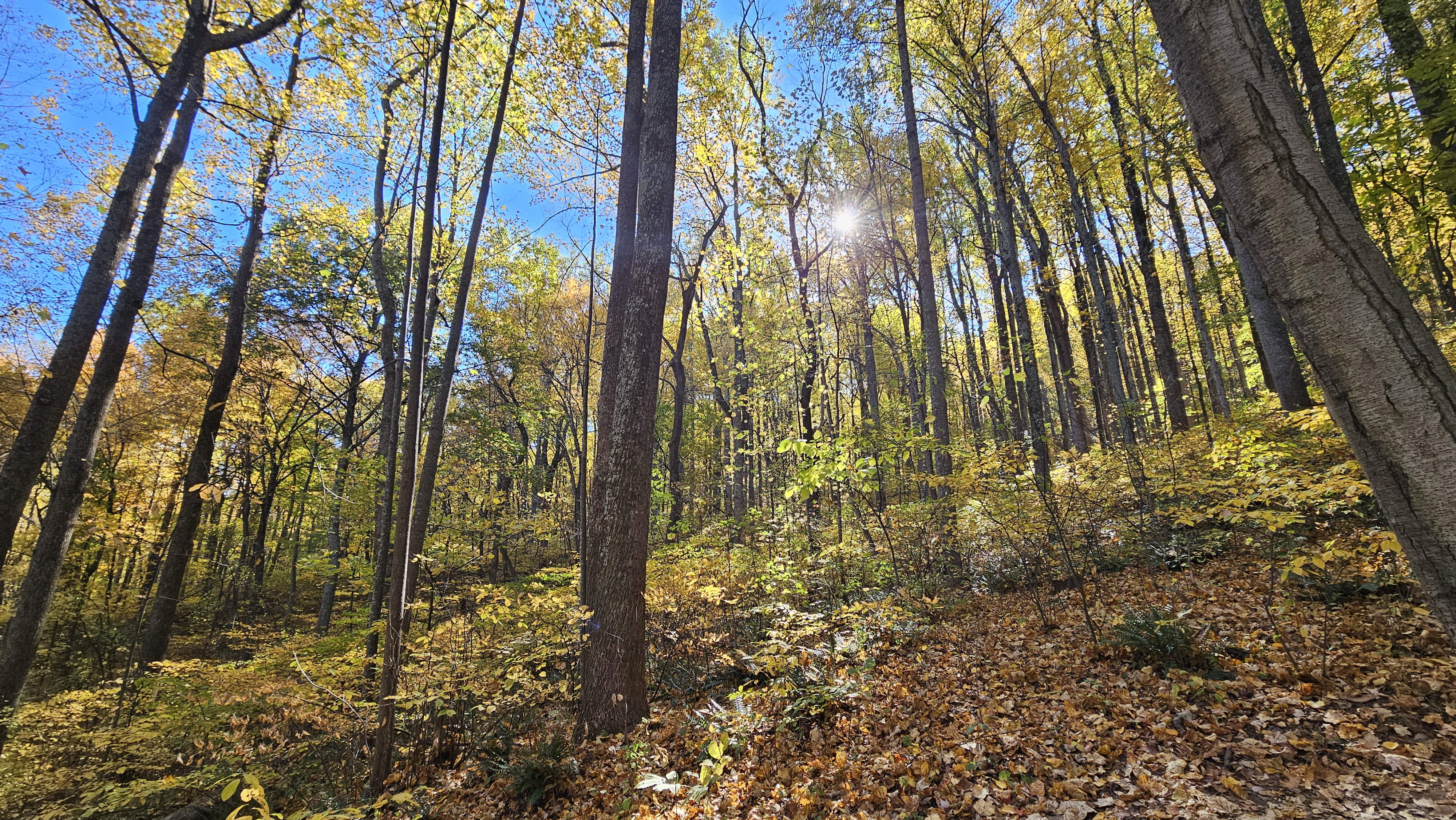
If you want the most memorable Shenandoah hiking experience, fall is the season that makes the park special. The Blue Ridge views, Skyline Drive overlooks, and mountain trails become much more dramatic when the forest turns yellow, orange, red, and gold. The last couple of weeks of October often deliver some of the most beautiful views of the year, especially when fall foliage is near peak color.
Summer, on the other hand, is often the worst time to hike Shenandoah’s harder trails.
That may sound surprising because summer is when many people have vacation time, longer daylight, and a natural desire to get outdoors. But hiking challenging Shenandoah trails in high heat and humidity is not fun. It can drain you completely, especially on exposed summits, rocky scrambles, steep climbs, and long loops.
A cool, dry summer day around 80°F can still work. But once temperatures climb above the mid-80s with humidity, difficult trails can become miserable. Old Rag, Whiteoak Canyon, Hawksbill, Bearfence, and other strenuous hikes feel very different when the air is heavy, the rocks are hot, and every climb feels harder than it should.
So when should you hike Shenandoah? The honest answer is this: hike Shenandoah in spring for comfortable trail conditions, hike it in fall for unforgettable views, and be very selective in summer.
For hikers coming from Washington DC, Northern Virginia or Maryland, Shenandoah is close enough for a long day trip, but it is still far enough that bad timing can waste the whole day. If you are driving from the DMV, choose the season, trail and start time carefully before committing to a difficult route.
Best Time to Hike Shenandoah National Park from DC — Quick Answer
Best Months to Visit Shenandoah National Park for Hiking
| Season | Best Months | Best For | Watch Out For |
|---|---|---|---|
| Spring | Late April, May, early June if cool | Comfortable hikes, green trails, difficult hikes on dry days | Rain, wet rocks, muddy trails, busy sunny weekends |
| Summer | Only cool, dry days around 80°F | Short shaded hikes, waterfalls, forest walks | Heat, humidity, exposed rock, dehydration, draining climbs |
| Fall | Late September through November | Fall foliage, overlooks, ridge views, cooler air | Peak crowds, full parking lots, busy popular trails |
| Winter | Clear, safe-condition days | Experienced hikers, quiet views, short hikes | Ice, snow, road closures, short daylight, wind exposure |
Shenandoah Hiking Calendar: Month-by-Month Planning
| Month | What to Expect | Best Strategy |
|---|---|---|
| Late April–May | Comfortable hiking weather, greener trails and better conditions for harder hikes when rocks are dry. | Good window for Old Rag, Hawksbill, Stony Man, Little Stony Man and Whiteoak Canyon after dry weather. |
| June–August | Heat and humidity can make climbs, scrambles and exposed viewpoints feel much harder. | Choose shaded trails, waterfalls, early starts and shorter routes unless the day is cool and dry. |
| Late September | Cooler air begins returning and difficult hikes become more enjoyable again. | Good transition month for longer hikes before peak foliage crowds arrive. |
| October | Best foliage potential and the most memorable views, but also the busiest weekends. | Start early, go midweek if possible, and expect full parking at popular trailheads. |
| November | Late fall views, cooler hiking weather and often less pressure after peak foliage. | Great for view hikes if weather is stable and daylight is managed carefully. |
Is Summer a Good Time to Hike Shenandoah National Park?
Summer can be good for short, shaded, lower-risk hikes, but it is usually not the best time for challenging Shenandoah trails.
The problem is not just temperature. It is the combination of heat, humidity, climbing, limited airflow, exposed rock, and long trail time.
A difficult hike that feels manageable in October can feel completely different in July or August. High humidity makes it harder for your body to cool itself. Direct sunlight on rock sections adds heat. Long climbs feel slower. Water disappears faster. Breaks become more necessary.
If temperatures are around 80°F, the humidity is low, the sky is partly cloudy, and you start early, summer hiking can work. But if the forecast is above 85°F with high humidity, challenging trails can go from difficult to exhausting.
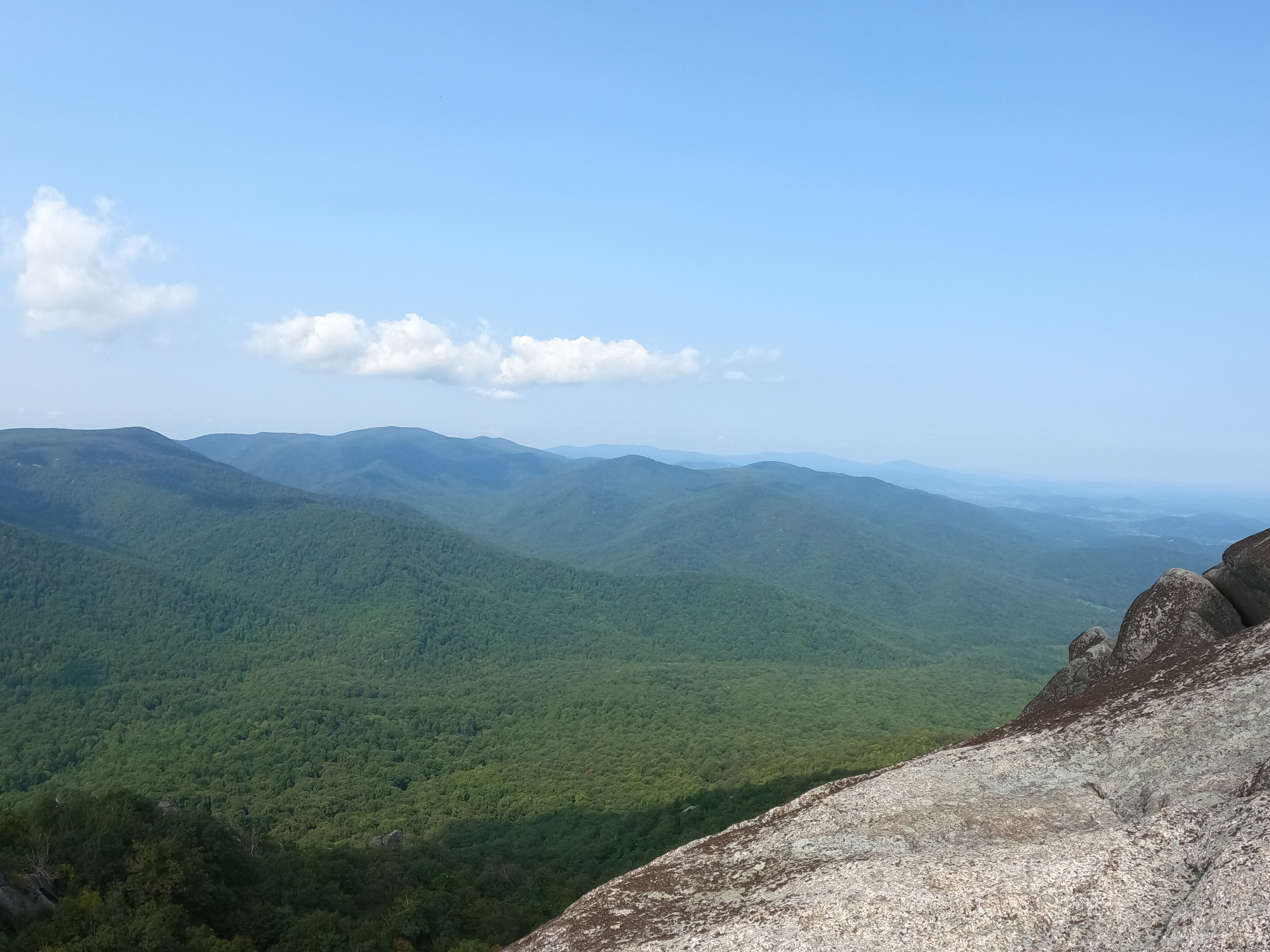
This matters most on hikes like Old Rag, Bearfence Mountain, Hawksbill, Marys Rock, Whiteoak Canyon, Cedar Run, long Appalachian Trail sections, and any exposed summit or rock scramble.
Summer is not impossible. But it is the season where you need to be most honest about your fitness, timing, route choice, water, and heat tolerance.
Why Summer Heat Makes Shenandoah Hikes Harder
Shenandoah may not look extreme compared with western national parks, but summer heat can make the park surprisingly difficult.
Many trails involve steady elevation gain. Even moderate hikes can include rocky footing, uneven steps, humid forest sections, and exposed viewpoints. On a hot day, that combination wears people down quickly.
The biggest mistake is choosing a trail based only on mileage. A 4-mile Shenandoah hike is not always easy. Elevation gain, trail surface, heat, sun exposure, rocks, and humidity matter.
Old Rag is the clearest example. It is already a strenuous full-day hike in good weather. In summer heat, the scramble and descent can become much more punishing. If the rocks are hot and the sun is direct, the hike can feel dramatically harder.
Whiteoak Canyon can also be difficult in summer because hiking down toward waterfalls often means climbing back up when you are already tired. Waterfall proximity may feel cooler in spots, but the overall hike can still be strenuous.
The rule is simple: If Shenandoah is hot and humid, reduce your ambition.
Best Shenandoah Hikes in Summer: Shaded Trails and Waterfalls
If summer is your only option, choose hikes carefully. The best summer hikes are usually shaded, shorter, lower-risk, or close to water.
That does not mean they are effortless. Some waterfall hikes still include steep climbs. But they are often better choices than exposed summits or rock scrambles on hot days.
Dark Hollow Falls
Dark Hollow Falls is one of the most popular waterfall hikes in Shenandoah. It is relatively short, shaded, and close to water, which makes it more appealing in summer than exposed summit hikes.
However, do not mistake “short” for “easy.” The trail descends to the falls, which means the return climb can feel harder than expected. It can also be slippery when wet.
Rose River Falls
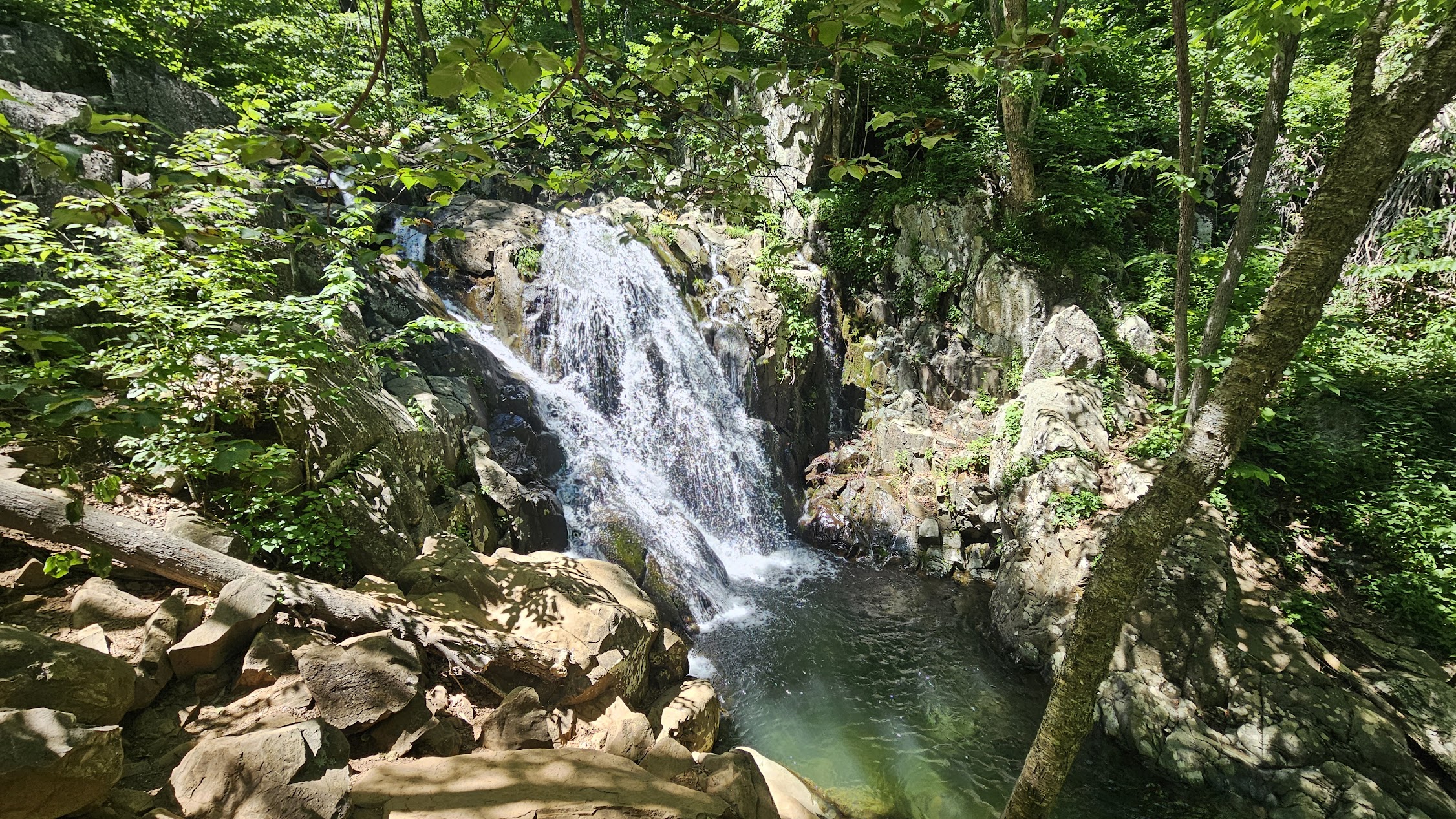
Rose River Falls is a better choice if you want a more complete forest-and-waterfall hike. It is longer than Dark Hollow Falls and feels more like an actual trail experience, but it still keeps you in a shaded, stream-focused environment for much of the route.
Limberlost Trail and Story of the Forest
Limberlost Trail and Story of the Forest are lighter options when the weather is hot or your group wants a gentle walk rather than a hike with major elevation gain. They are not dramatic summit trails, but in summer that may be exactly the point.
On very hot days, a scenic-drive strategy may be smarter than forcing a long hike. Skyline Drive has many overlooks, and combining short walks with scenic stops can still give you a strong Shenandoah experience.
Shenandoah Hikes to Avoid During Hot Summer Weather
If temperatures are high and humidity is heavy, be cautious with strenuous hikes, exposed summits, and rock scrambles.
Old Rag is one of the worst choices for hot and humid summer conditions. It is long, strenuous, rocky, exposed in places, and physically demanding. If temperatures are above 85°F, the hike can shift from difficult to extremely difficult.
Bearfence is much shorter than Old Rag, but it includes a rock scramble and exposed sections. Hawksbill is a great summit hike, but summit hikes are usually less appealing in hot, humid conditions. The longer Whiteoak Canyon and Cedar Run routes can also be draining in summer heat.
Best Time to Hike Shenandoah in Spring: Late April, May and Early June
Late April and May are excellent times to hike Shenandoah.
Spring gives you milder temperatures, returning greenery, blooming plants, more comfortable climbs, and better conditions for difficult hikes than summer. Early June can also be good if the weather stays mild.
The main caution is rain.
Spring trails can be wet, muddy, and slippery. Rocks and boulders are especially important because many of Shenandoah’s most interesting hikes involve rocky sections. A trail that feels safe when dry can feel very different after rain.
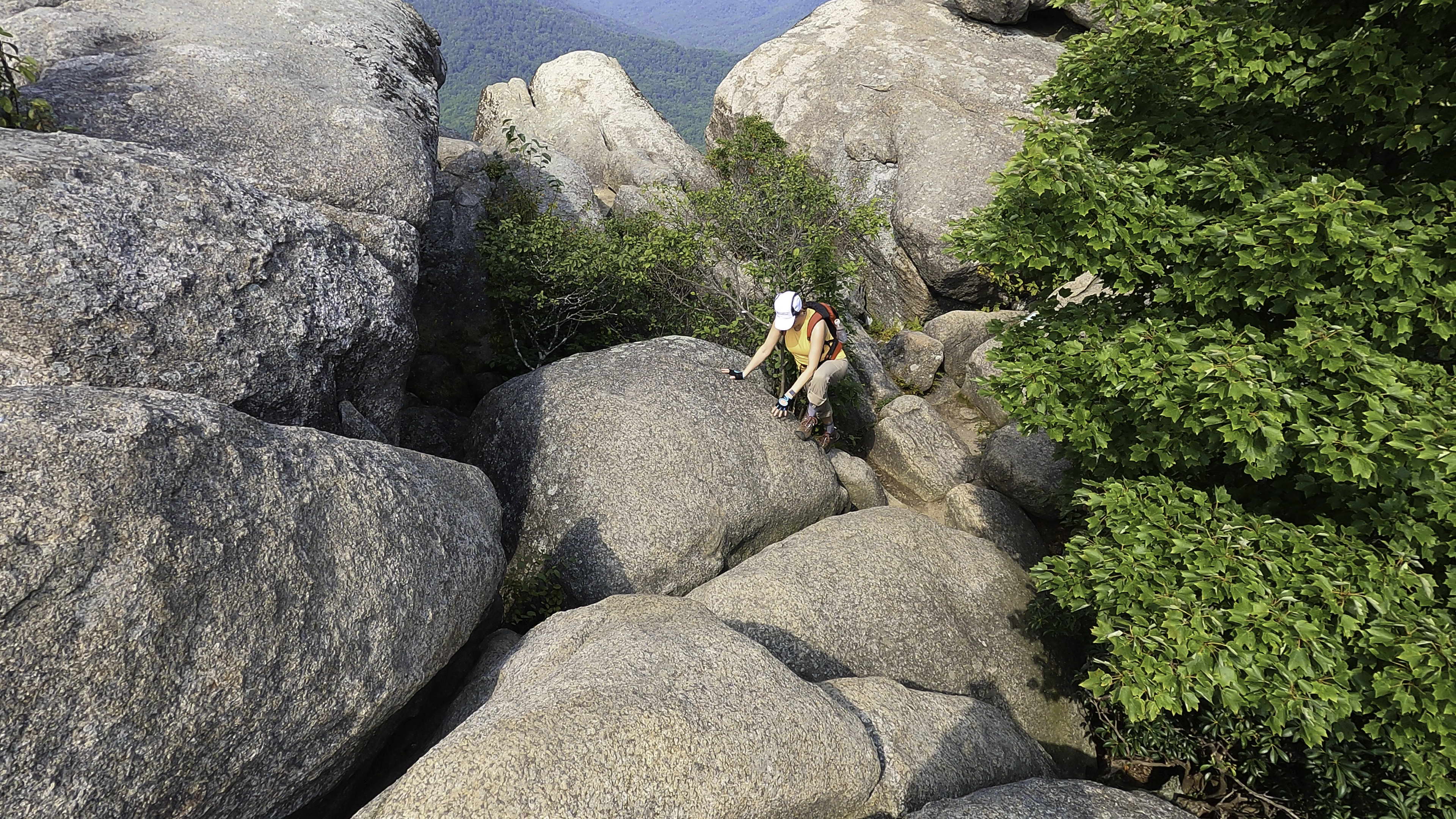
For difficult hikes, especially hikes with rock scrambles, steep descents, or boulder sections, it is usually a good idea to wait at least a day or two after light rain. After heavy rain, waiting three to five days can give the trails, rocks, and boulders more time to dry.
This is especially important for Old Rag, Bearfence Mountain, Whiteoak Canyon, Cedar Run, rocky summit trails, and waterfall trails with slick footing.
Dry rock matters. It improves traction, reduces stress, and makes the hike safer and more enjoyable.
Best Time to Hike Shenandoah in Fall: September, October and November
Fall is the season that makes Shenandoah unforgettable.
The park is beautiful in every season, but fall foliage changes the entire experience. Mountain ridges turn gold and orange. Valleys become layered with color. Skyline Drive overlooks feel more dramatic. Even familiar hikes feel new.
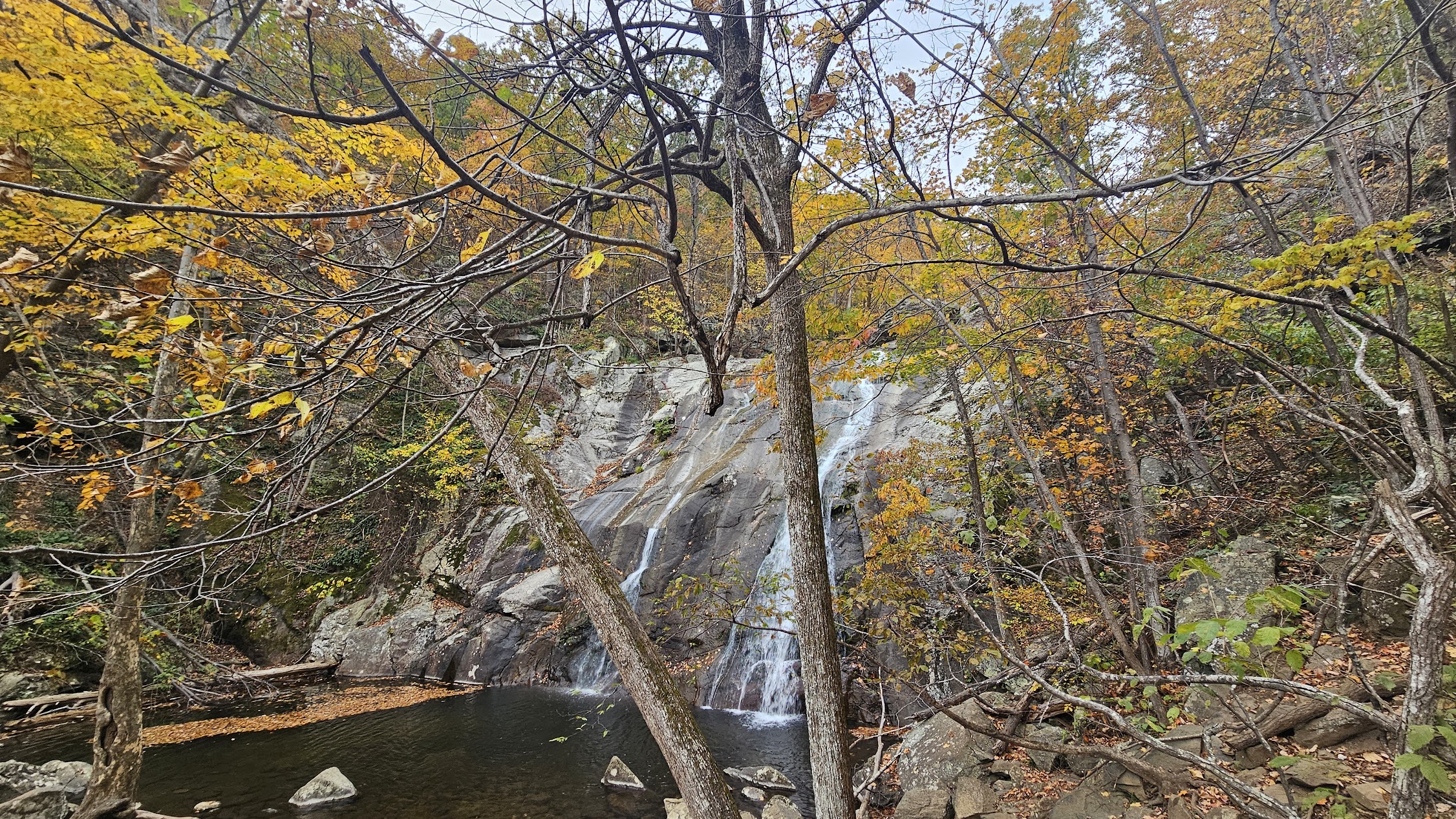
For many visitors, fall is the season they will remember for the rest of their lives.
The best fall window is usually from the second half of September through November, with the most dramatic foliage often arriving in October. The last couple of weeks of October are often the most spectacular, especially if weather conditions line up well.
For DMV hikers planning a day trip from Washington DC, October is the highest-reward month but also the least forgiving for late starts. If you want fall color without fighting the worst parking pressure, aim for a weekday, arrive early, and keep a backup hike in mind.
Fall hiking is best for Stony Man, Little Stony Man, Hawksbill, Marys Rock, Old Rag, Whiteoak Canyon, Dark Hollow Falls, Skyline Drive overlooks, and scenic ridge hikes.
Shenandoah Fall Foliage Crowds: Why Weekends Get Busy
Fall is beautiful, but it is not quiet.
This is the tradeoff. The same foliage that makes Shenandoah special also brings large crowds. Popular trailheads can fill early. Skyline Drive can be slow. Overlooks can be crowded. Hikes like Old Rag, Stony Man, Hawksbill, Dark Hollow Falls, and Bearfence can feel busy, especially on sunny weekends.
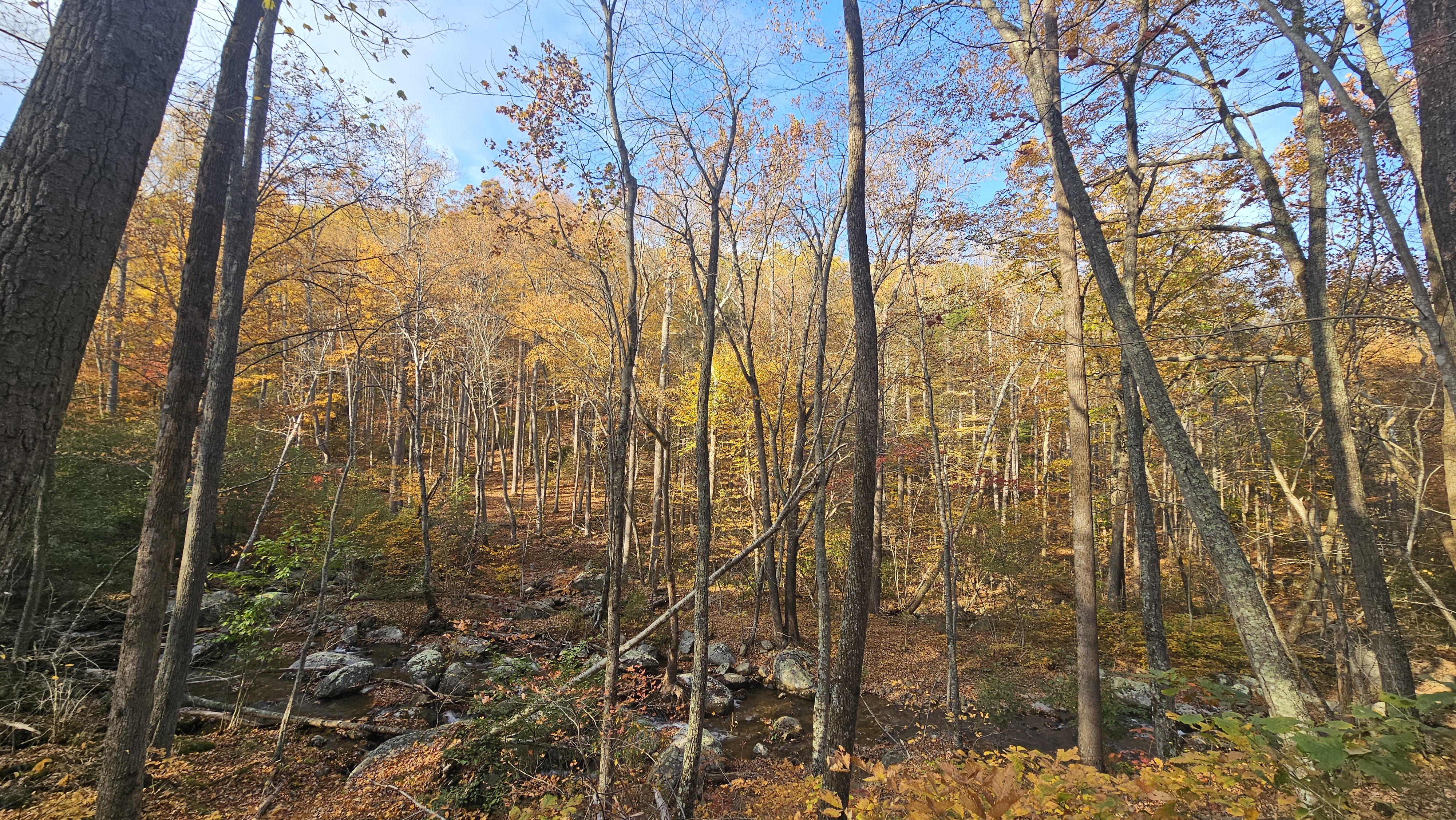
During peak fall weekends, hiking Shenandoah can feel less like a peaceful escape and more like a popular national park at peak demand.
That does not mean you should avoid fall. It means you should plan fall differently.
The best fall strategy is to go on a weekday if possible, start early, avoid the most obvious trailheads at peak times, have a backup hike, expect parking pressure, bring patience, and avoid treating Old Rag or Bearfence like casual last-minute hikes.
Best Time of Day to Start Hiking in Shenandoah for Parking, Crowds and Heat
For popular hikes, start early.
This is true in spring, summer, and fall, but it matters most on weekends and during foliage season. Early starts help with parking, cooler temperatures, less crowding, better photo light, more daylight buffer, and less stress on long hikes.
For serious hikes like Old Rag, plan the hike as a full-day activity. Arriving around 9:00 AM can work if you are prepared and have enough daylight, but earlier is better during hot weather, peak fall weekends, or if your group moves slowly.
Best Shenandoah Hikes by Season: Spring, Summer and Fall
| Season | Best Hikes | Why |
|---|---|---|
| Spring | Old Rag, Hawksbill, Marys Rock, Stony Man, Little Stony Man, Whiteoak Canyon, Rose River Falls, Bearfence | Comfortable temperatures and good conditions if rocks are dry |
| Summer | Dark Hollow Falls, Rose River Falls, Limberlost Trail, Story of the Forest, short Big Meadows-area walks | Shade, water proximity, shorter routes and less heat exposure |
| Fall | Little Stony Man, Stony Man, Hawksbill, Marys Rock, Old Rag, Bearfence, Whiteoak Canyon, Skyline Drive overlooks | Best views, foliage, ridge color and cooler hiking weather |
Best Time to Hike Old Rag in Shenandoah
The best time to hike Old Rag is on a cool, dry day in spring or fall.
Avoid Old Rag after rain, during high heat, or when the rocks may be slippery. Avoid treating it as a casual summer hike. Old Rag is strenuous enough in good weather. In heat, humidity, or wet conditions, it becomes much harder.
Fall is beautiful on Old Rag, but crowds can also be intense. If you can hike on a weekday during fall foliage season, that is usually better than a weekend.
Best Time to Hike Whiteoak Canyon
Whiteoak Canyon is excellent in spring and fall.
In spring, waterfalls can be more impressive after rain, but slippery rocks and wet trail conditions matter. Give the trail time to dry before attempting more difficult routes.
In fall, Whiteoak Canyon becomes one of the most scenic hikes in the park because the forest, stream, rocks, and waterfalls combine with foliage.
Best Time to Hike Stony Man, Little Stony Man and Hawksbill
Stony Man and Little Stony Man are good choices when you want strong views without committing to a full-day hike. They are especially good in fall because the payoff is high and the effort is reasonable.
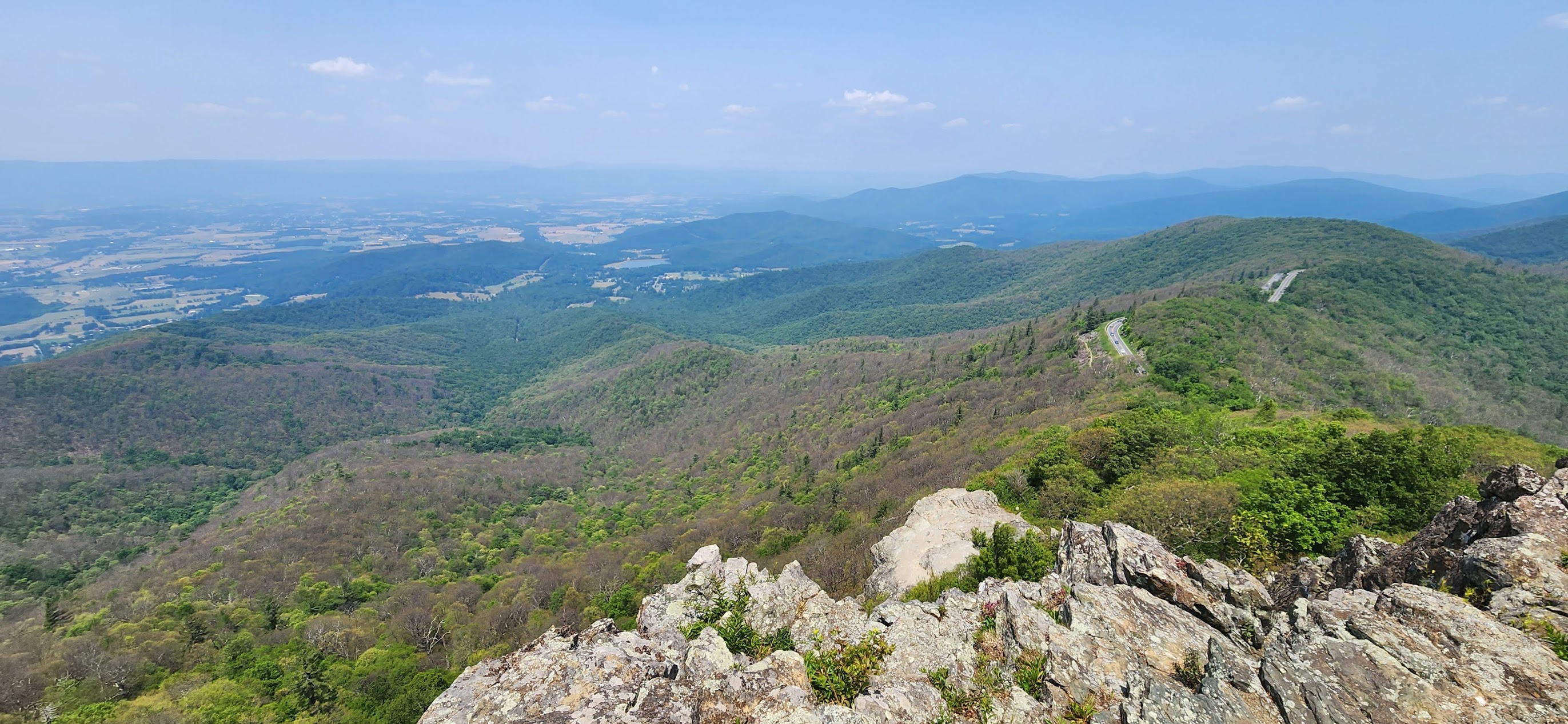
Hawksbill is better when you want a more substantial summit hike. It is a strong spring and fall option, but it can be less enjoyable in hot and humid summer weather.
When to Avoid Hiking in Shenandoah National Park
Avoid difficult hikes in Shenandoah when temperatures are above 85°F and humidity is high, thunderstorms are possible, rocks are wet or icy, heavy rain recently soaked the trail, you are starting too late, your group is not physically prepared, popular trailheads are overcrowded and you do not have a backup plan, or you are planning an exposed scramble without dry conditions.
The park will still be there. Choosing the wrong day can turn a great hike into an exhausting or unsafe experience.
How to Avoid Crowds in Shenandoah National Park
You cannot fully avoid crowds during peak fall weekends, but you can reduce the impact.
The best strategies are to visit on weekdays, start early, avoid the most famous trails at peak times, choose lesser-known hikes, use less crowded Skyline Drive sections, have two or three backup trail options, avoid mid-day arrivals during October weekends, and be willing to hike shorter trails if parking is full.
This is especially important for Old Rag, Dark Hollow Falls, Stony Man, Hawksbill, Bearfence, and popular Big Meadows-area hikes.
Final Recommendation: When Should You Hike Shenandoah National Park?
The best time to hike Shenandoah National Park is May or October.
Choose late April through May if you want comfortable hiking weather, greener trails, fewer heat problems, and better conditions for challenging hikes.
Choose late September through November if you want the most beautiful views, fall foliage, cooler air, and the classic Shenandoah experience.
The most memorable window is often the last couple of weeks of October, when foliage can make the park feel truly special.
Summer is the weakest season for difficult hiking unless you get a cool, dry day around 80°F. If Shenandoah is hot and humid, choose shaded or waterfall-focused hikes like Dark Hollow Falls, Rose River Falls, Limberlost, or a short scenic route. Do not force a difficult summit hike just because it is on your list.
The best Shenandoah hiking strategy is not to ask only, “What is the best hike?” Ask: What is the best hike for this season, this weather, this group, and this exact day?
That is how you get the best Shenandoah experience — and avoid turning a beautiful national park into a draining, crowded, overheated mistake.

About the Author
Andy Newman is the founder of Next Outdoor Adventures. Andy has been hiking in many of the most popular national parks for over a decade, with notable hikes including Bright Angel Trail at the Grand Canyon, Bryce Canyon, Zion, Acadia, Rocky Mountain National Park, the Smoky Mountains and more.
As a Maryland resident, Andy continues to explore and document iconic outdoor locations in the DMV area, including Shenandoah National Park, Great Falls and Upstate New York.
Frequently Asked Questions About the Best Time to Hike Shenandoah National Park
What is the best month to hike Shenandoah National Park?
For most hikers, May and October are the strongest months. May usually offers comfortable hiking weather before summer heat, while October offers Shenandoah’s most memorable fall foliage views.
Is summer a good time to hike Shenandoah?
Summer can work for short shaded hikes or cool, dry days around 80°F, but it is often the weakest season for difficult hikes because heat and humidity make climbs, scrambles and exposed summits much harder.
When is fall foliage best in Shenandoah?
Fall foliage timing changes every year, but the second half of October often delivers some of the most memorable views, especially when weather and elevation conditions line up well.
What are the best Shenandoah hikes in summer?
On hot summer days, shaded or water-focused hikes such as Dark Hollow Falls, Rose River Falls, Limberlost Trail and shorter forest walks are usually better choices than exposed summits or rock scrambles.
How long should you wait after rain before difficult Shenandoah hikes?
For difficult hikes with rocks, boulders, scrambles or steep descents, it is usually wise to wait a day or two after light rain and three to five days after heavy rain so surfaces have time to dry.
Is Shenandoah National Park a good day trip from Washington DC?
Yes, Shenandoah can work as a long day trip from Washington DC and the DMV, but timing matters. Start early, pick the right trail for the season, and avoid hot humid summer days or peak fall weekend mid-day arrivals for difficult hikes.